How to Choose Pet Insurance: What to Compare in a Policy
How to read and compare a pet insurance policy: reimbursement, deductibles, annual limits, waiting periods, pre-existing condition rules, direct payment to the vet, wellness add-ons, cats and exotic pets - with the industry's average premiums.
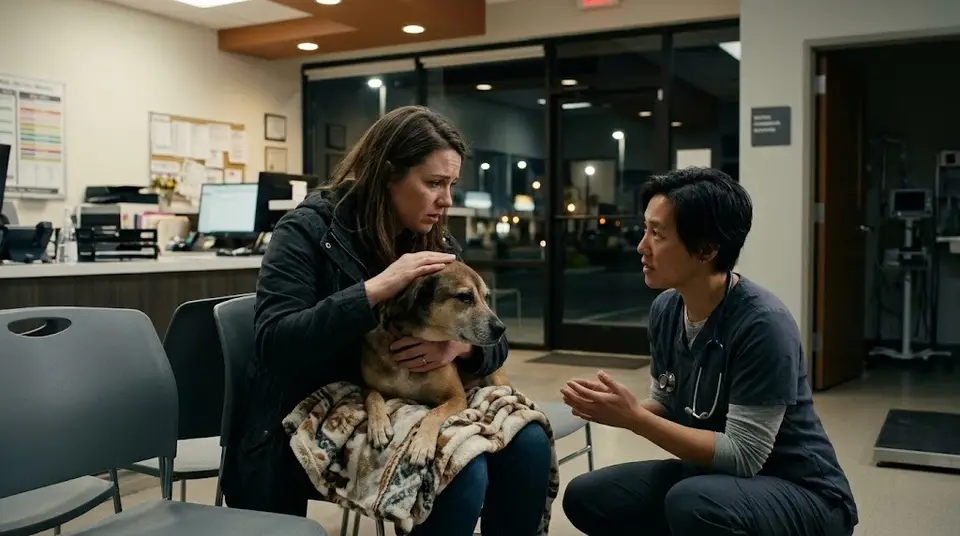
 AI illustration
There is no single best pet insurer: the right policy depends on your pet’s age and breed, where you live, and which trade-off you prefer - a lower premium with an annual limit, or a higher one without. What you can compare honestly is how each plan is built: what share of the bill it pays, what it caps, how long you wait before cover starts, and how it treats conditions your pet already had. This guide shows where to find those answers in any policy.
This is a reading guide to how pet insurance plans are built - not financial or insurance advice. Prices, limits and exclusions change and depend on your pet, where you live and the date; the policy document is what counts. Read the sample policy and get a quote from the insurer before you buy.
For scale, the industry’s own association gives the averages: in its 2025 State of the Industry report, NAPHIA put the average US accident-and-illness premium in 2024 at $749.29 a year ($62.44 a month) for dogs and $386.47 a year ($32.21 a month) for cats. Your quote can sit well above or below that.
How to Read a Pet Insurance Plan
Six things decide what a policy is worth to you. The questions follow the ones insurance regulators suggest consumers ask.
- What type of policy is it? Accident-only covers injuries. Accident-and-illness adds disease. Wellness or preventive care is usually an optional extra, and at some companies it is a separate membership rather than insurance.
- Reimbursement percentage - the share of an eligible bill the insurer pays after the deductible. Most plans let you choose it from a few levels when you buy.
- Deductible - what you pay first. Ask whether it is annual or per condition.
- Limits - per year, per condition or lifetime. “Unlimited” plans cost more.
- Waiting periods - how long after enrollment before accidents, illnesses and specific orthopedic problems are covered.
- Pre-existing conditions - anything that showed signs before the policy started or during the waiting period. Most insurers exclude them; several will cover a curable condition again after a symptom-free period.
One more question matters at the vet’s counter: do you pay the whole bill and wait to be reimbursed, or can the insurer pay the clinic directly?
What Differs Most Between Plans
Annual limits. Among the US insurers we read, annual limits ran from $500 to unlimited. At some insurers the limit you choose at enrollment can never be raised afterwards, which makes that first choice permanent. With a limit, every claim in the year draws on the same pot.
How the deductible works. Most plans use an annual deductible that resets each year. A per-condition deductible is paid once for each condition - an advantage for a chronic illness that runs for years, a disadvantage for a pet with several unrelated problems.
Waiting periods. For accidents they ranged from cover starting the night after enrollment to about 15 days; for illnesses, from 14 to 30 days. At some insurers, knee and cruciate ligament problems carry a separate wait of six months.
Curable pre-existing conditions. Some insurers treat a past, cured problem as eligible again once it has been free of symptoms and treatment for a set time - 180 days at some, 12 months at others. Some leave knee and ligament conditions out of that rule. See Pet Insurance and Pre-Existing Conditions.
Exclusions. Exam fees, dental illness, behavioral treatment and prescription food are the usual places where policies differ. A plan that excludes exam fees will quote lower than one that covers them.
Accident-only plans. These are much cheaper because they leave out every illness - infections, cancer, chronic and hereditary conditions; some also exclude cruciate ligament injuries.
How to Choose: Five Questions
1. What worries you most?
A single large bill, or a condition that runs for years? An annual limit caps the first; how the deductible is built shapes the second. Unlimited annual benefits and per-condition deductibles are aimed at the long-running case.
2. Could you pay the vet first and wait for the money?
Most plans reimburse you after you have paid. If that would be hard, look for an insurer that can pay the clinic directly at checkout.
3. Does your pet have a history?
If there is a past problem that was cured, the insurers with a “curable condition” rule treat it differently from the rest. Read that clause in the sample policy.
4. Do you want routine care included?
Wellness add-ons pay for predictable costs such as vaccines and check-ups. Add up what you actually spend in a year and compare it with the price of the add-on; it is a budgeting tool more than insurance.
5. Is your pet a specific risk?
For a breed with known problems, read the waiting periods for orthopedic and hereditary conditions first, and check whether the policy names breed-specific exclusions.
Mistakes That Cost Money
Buying late. Anything that shows signs before the policy starts, or during the waiting period, is pre-existing. The cheapest and broadest cover is the one bought while the pet is healthy.
Comparing premiums without comparing what is excluded. A plan that does not cover exam fees, or that carries an annual limit, will usually quote lower than one that does. Line up the exclusions before the prices.
Choosing a limit you will outgrow. At an insurer where the annual limit cannot be raised later, the choice at enrollment is permanent.
Not reading the sample policy. Every insurer publishes one. Dental illness, behavioral treatment, prescription food and breed-specific conditions are the usual places where policies differ.
What the First Year Costs
See the first-year cost, line by line →
Use our cost calculator to see what your pet costs per year - food, routine vet care, and the emergency buffer that insurance is meant to cover.
Frequently Asked Questions
Is pet insurance worth the money?
It depends on whether you could pay a bill of several thousand dollars without it. Insurers price policies to make a profit, so on average owners pay in more than they get back; what the policy buys is a cap on the worst case. Read our full analysis: Is Pet Insurance Worth It?
What’s the difference between accident-only and accident-and-illness?
Accident-only covers injuries such as fractures, wounds and swallowed objects. Accident-and-illness adds disease - infections, cancer, chronic and hereditary conditions. Accident-only is much cheaper because it leaves all of that out.
Can I get pet insurance with pre-existing conditions?
You can get a policy, but the pre-existing condition itself is normally excluded. Several insurers will cover a curable condition again after a symptom-free period, typically between 180 days and 12 months.
Does pet insurance cover routine care like vaccines?
Not as standard. It takes a wellness add-on or membership, which several insurers sell separately.
How does the deductible work?
It is what you pay before the insurer starts paying. Most plans use an annual deductible that resets each year; some use a per-condition deductible paid once for each condition.
How fast do claims get paid?
Insurers advertise their own figures, and we have no way to test them. Ask the insurer what it publishes, and check complaint records with your state insurance department.
What if my pet has several conditions?
With an annual limit, every claim in the year draws on the same limit. With no limit, that question does not arise, but a per-condition deductible means each new condition starts its own.
Should I insure an indoor cat?
Indoor cats avoid many injuries, but not illness: kidney disease, hyperthyroidism, diabetes and urinary blockage do not depend on going outside. The average cat premium is about half the dog figure, by NAPHIA’s numbers above.
Can I insure a rabbit, bird or reptile?
Few insurers cover anything but dogs and cats. Nationwide describes itself as the only pet insurer offering cover for birds and exotic pets, including rabbits, ferrets and reptiles.
Can I cancel anytime?
Policies can generally be cancelled; the terms, any notice period and refund rules are in the policy and vary by insurer and state.
Summing Up
There is no winner to announce. If you want no annual limit, look for plans that offer one. If the premium is the constraint, a plan with an annual limit and a higher deductible costs less. If a long-running condition is the fear, look at how the deductible is structured.
Whatever you choose, read the sample policy, and buy while your pet is healthy: that is the one piece of advice that holds for every insurer.
Related Reading
- Is Pet Insurance Worth It? Real Cost Analysis With Numbers
- Pet Insurance Pre-Existing Conditions Explained
- What A Dog Really Costs Last updated: October 2026. Plan features change and differ by state. Get a current quote and read the policy before committing.