Best Orthopedic Dog Beds 2026: Memory Foam, Cooling Gel & Senior Picks
Honest reviews of the best orthopedic dog beds in 2026 - Big Barker, PetFusion, FurHaven, Casper. Memory foam for arthritis, senior dogs, large breeds, and chewers.
Best Orthopedic Dog Beds 2026: Memory Foam, Cooling Gel & Senior Picks
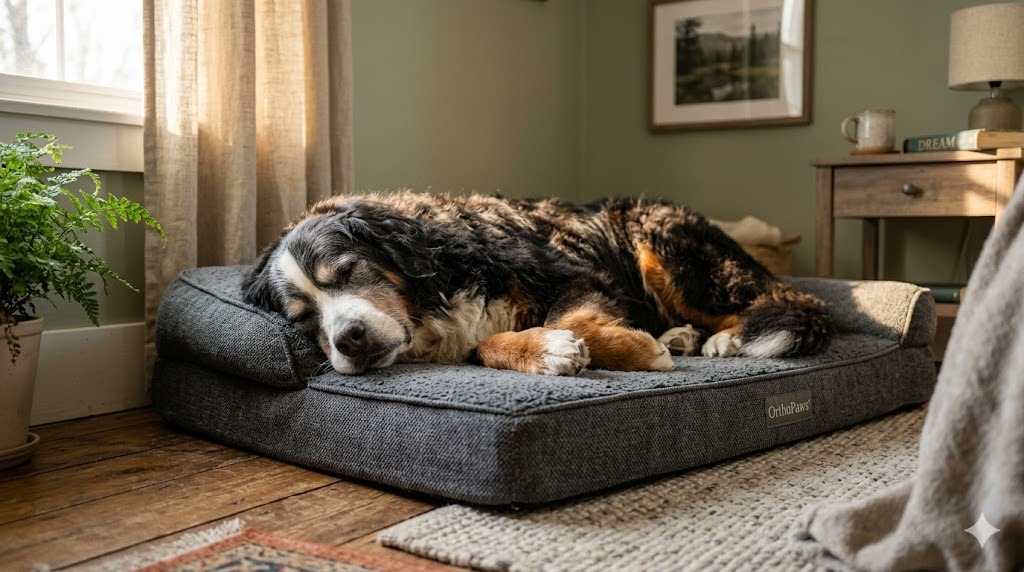
The best orthopedic dog bed is the Big Barker for large and giant breeds - genuine slow-recovery support foam with a 10-year warranty - while PetFusion is a strong mid-price pick and FurHaven the budget option. The construction is what matters: real high-density foam that holds its shape, not just a thicker pillow.
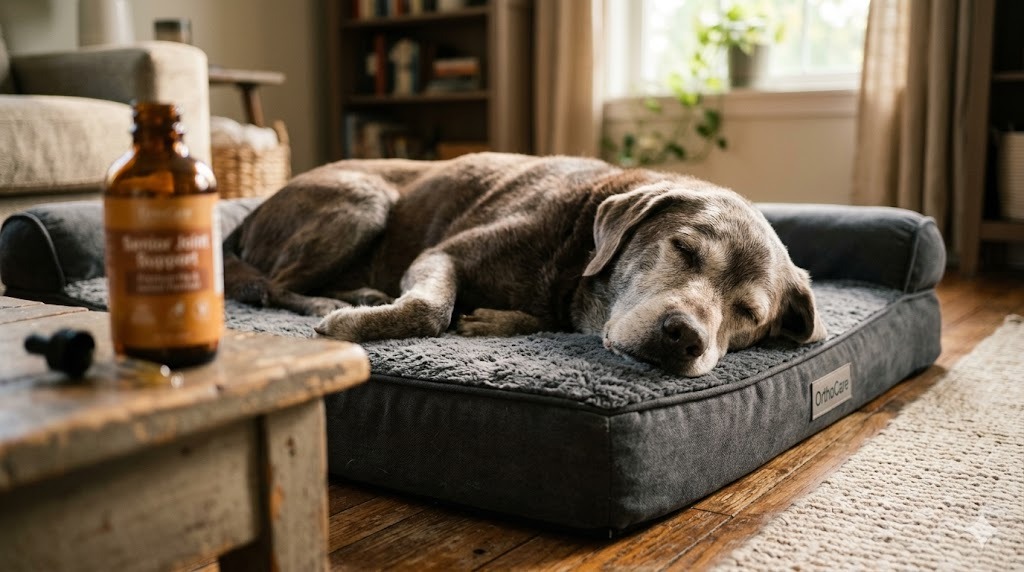
A real orthopedic dog bed isn’t just a thicker bed - it’s a specific construction designed to distribute weight evenly, support joints, and maintain its shape over years of use. For senior dogs, large breeds prone to hip and elbow dysplasia, dogs recovering from orthopedic surgery, and any dog spending significant hours lying down, the right bed measurably improves comfort, mobility, and sleep quality.
The market is split between actual orthopedic beds (verifiable construction, 3+ inch high-density foam, supportive structure) and beds marketed as orthopedic that are just standard polyfill with marketing language. This guide separates them and matches each pick to dog size, age, and specific needs.
The orthopedic test: Press your hand firmly into the bed’s center for 10 seconds, then release. A real orthopedic foam bed rebounds slowly and fully to original shape. Cheap polyfill or “memory foam crumb” beds stay compressed where you pressed. This single test predicts how the bed will perform under a sleeping dog.
At a Glance: Top Picks
| Rank | Bed | Construction | Capacity | Best For |
|---|---|---|---|---|
| 🥇 #1 | Big Barker 7-Inch Pillow Top | 7” therapeutic foam | up to 200 lb | Large breeds, premium |
| 🥈 #2 | PetFusion Ultimate Lounge | 4” memory foam | up to 80 lb | Mid-size, best overall value |
| 🥉 #3 | FurHaven Orthopedic | 3” memory foam + bolster | up to 100 lb | Budget orthopedic |
| #4 | Casper Dog Bed | Foam layers + bolster | up to 90 lb | Modern design, mid-size |
| #5 | Brindle Shredded Memory Foam | Shredded foam | up to 75 lb | Customizable firmness |
| #6 | K&H Pet Products Cooling Bed | Memory foam + cooling gel | up to 100 lb | Hot climates, senior dogs |
| #7 | MidWest Quiet Time Defender | Reinforced foam, chew-resistant | up to 90 lb | Chewers |
🥇 #1: Big Barker 7-Inch Pillow Top
Big Barker is the only orthopedic dog bed that has undergone a clinical study at a major veterinary school. The University of Pennsylvania study found measurable improvements in mobility, gait, joint stiffness, and time to settle in arthritic large-breed dogs using the bed versus their previous beds. This is real evidence-based product development, not marketing.
The construction is three layers of distinct foam types - soft top comfort layer, medium support layer, firm base support. This combination maintains its shape under repeated use by very large dogs (Great Danes, Newfoundlands, Mastiffs) for years. Most competitor beds compress within 6-12 months under similar weight.
Real-world durability: The 10-year warranty isn’t marketing - Big Barker honors it. Owners frequently report 7+ years of use without compression.
Best for: Large and giant breeds (over 60 lb), senior dogs of any size with arthritis, dogs with diagnosed orthopedic conditions, owners who can budget for one premium bed instead of multiple replacements.
🥈 #2: PetFusion Ultimate Lounge
The PetFusion Ultimate Lounge is the right pick for most dogs in the 30-80 lb range. The 4-inch memory foam construction provides genuine orthopedic support, the bolsters add head and back support, and the price is meaningfully lower than Big Barker.
The construction holds up for 3-5 years under normal medium-dog use. For owners who don’t have a giant breed and don’t need clinical-grade evidence, PetFusion delivers most of the orthopedic benefit at a fraction of the price.
Best for: Medium dogs (30-80 lb), senior dogs of medium size, owners wanting orthopedic support without paying Big Barker prices.
🥉 #3: FurHaven Orthopedic Sofa-Style
For owners on a tighter budget needing legitimate orthopedic construction, FurHaven is the right choice. The 3-inch foam base provides real support - not premium-grade, but genuine - and the price point makes replacement every 2 years viable.
Best for: Budget-conscious owners, senior dogs in households with multiple beds, secondary bed for travel or second floor.
#4: Casper Dog Bed
The dog version of the Casper mattress brand. Multi-layer foam construction with bolster sides. Designed to fit modern home aesthetics. Mid-range price ($160-250) for medium-to-large sizes.
Best for: Modern home design priorities, mid-size dogs, owners who appreciate the human Casper mattress brand.
#5: Brindle Shredded Memory Foam
A shredded memory foam fill rather than a solid foam slab. The shredded foam allows the bed to adjust to the dog’s specific position and weight distribution. Owners can add or remove foam to customize firmness.
Best for: Dogs with specific positional preferences, owners wanting adjustable firmness, light-to-medium dogs.
#6: K&H Pet Products Cooling Orthopedic Bed
Combines memory foam orthopedic support with a cooling gel layer. The cooling reduces heat retention common in pure memory foam beds. Particularly useful in hot climates or for thick-coated breeds.
Best for: Hot climates, thick-coated breeds (Huskies, Newfoundlands), older dogs who run warm during sleep, summer use.
#7: MidWest Quiet Time Defender Series
A reinforced, chew-resistant orthopedic bed designed for chewers. Ripstop fabric, double-stitched seams, foam construction designed to resist destruction.
Best for: Dogs that destroy beds during teething or anxiety, crate-trained dogs needing chew-resistant bedding, working dog kennels.
What Makes a Bed Actually Orthopedic
The term “orthopedic” isn’t regulated. Many beds use the label without actual orthopedic construction.
Genuine orthopedic construction
- High-density memory foam: Minimum 3 inches, ideally 5+ inches for large dogs
- Layered foam construction: Different densities for support and comfort (premium)
- Solid foam, not crumbled: Crumbled foam compresses faster
- Edge support: Bolsters or reinforced edges prevent collapse
- Density rating: Look for 4 lb/cubic foot or higher (industry density measure)
What’s NOT orthopedic
- Polyfill stuffing: Compresses within weeks under regular use
- Cotton batting: Similar compression issues
- “Crumble foam” or “foam shreds” without solid base: Mixed evidence - works for some, not others
- Thin foam under fluffy fabric: Looks orthopedic; isn’t
How to verify before buying
- Read product specifications carefully (foam type, density, thickness)
- Check return policies (most quality brands allow 30+ day returns)
- Look for clinical studies or veterinary endorsements (rare, meaningful)
- Read user reviews specifically about compression after 6+ months
Sizing the Bed Correctly
The right size matters as much as the construction.
Measurement protocol
- Measure your dog from nose to tail base while standing
- Add 6-8 inches for stretching room
- This is the minimum bed length
| Dog Weight | Nose-to-tail | Recommended Bed Size |
|---|---|---|
| Under 20 lb | 18-22” | Small (24” × 18”) |
| 20-40 lb | 22-28” | Medium (30” × 20”) |
| 40-60 lb | 28-34” | Large (36” × 27”) |
| 60-90 lb | 34-40” | Extra Large (42” × 28”) |
| 90-130 lb | 40-46” | XXL (48” × 30”) |
| Over 130 lb | 46”+ | Custom or oversized (54”+ × 36”+) |
Why dogs choose smaller beds
Some dogs gravitate toward beds that look too small. This is usually instinctive (feeling enclosed), not preference for cramped sleeping. Provide both - many dogs use the larger orthopedic bed for sleep and a smaller bed for casual lounging.
Multi-dog households
For dogs that sleep together, size up two categories from individual dog requirements. Many dogs prefer their own beds even in close-bonded pairs.
Memory Foam vs Other Foams
Memory foam (viscoelastic)
Pros: Conforms perfectly to body shape, distributes pressure evenly, particularly good for arthritis Cons: Retains heat (some dogs run hot), takes time to rebound, more expensive Best for: Arthritic dogs, dogs that don’t overheat, cooler climates
Polyfoam (standard foam)
Pros: Cooler than memory foam, faster rebound, less expensive Cons: Doesn’t conform as well, slightly less pressure relief Best for: Dogs that overheat on memory foam, lighter dogs, hot climates
Egg crate foam
Pros: Some pressure distribution, lower cost Cons: Compresses faster, less durable Best for: Short-term solutions, second beds for travel
Cooling gel-infused memory foam
Pros: Memory foam comfort plus reduced heat retention Cons: Higher price than standard memory foam Best for: Hot climates, heavy-coated breeds, summer
Latex foam
Pros: Naturally cooling, very durable, hypoallergenic Cons: Highest cost, less common in dog beds Best for: Dogs with allergies to synthetic foams (rare)
When Each Dog Needs an Orthopedic Bed
Mandatory orthopedic bed
- Senior dogs (age 8+): Joint stiffness, reduced mobility, increased rest time
- Large/giant breeds: Always at risk for joint issues, even when young
- Diagnosed arthritis: Reduces pain, improves mobility
- Hip/elbow dysplasia: Critical for daily comfort
- Post-surgical recovery: Reduces pressure on healing joints
- Working/sporting dog retirement: Years of physical work accumulate
Beneficial but not mandatory
- Adult medium dogs without specific issues
- Outdoor or kennel-housed dogs
- Dogs that spend significant daytime hours lying down
Less critical
- Healthy adult small/medium dogs under 5 years
- Dogs that sleep less than 12 hours daily
- Dogs that prefer hard surfaces (some breeds, particularly herding dogs)
Bed Placement
Where you place the bed matters as much as the bed itself.
Best locations
- Quiet area where the family spends time (so the dog feels included without being walked on)
- Away from drafts, vents, and direct sunlight
- On carpet or rug (provides slight insulation from cold floors)
- Multiple beds in the house (one in living area, one in bedroom)
Avoid
- Direct sun all day (overheats, fades fabric)
- Near doors with frequent traffic
- In a basement or unused room (the dog won’t use it)
- In areas where smaller pets (cats) can occupy it - dominance issues develop
Multi-bed strategy
Most dogs benefit from 2-3 beds throughout the home - bedroom, primary living area, and possibly outdoor or porch area. This provides options based on time of day, family activity, and temperature.
Maintenance and Cleaning
Routine (weekly)
- Vacuum bed surface to remove hair
- Spot-clean accidents immediately
- Air the bed monthly if possible
Cover wash (every 2-4 weeks)
- Remove cover per manufacturer instructions
- Wash in cold water, gentle cycle
- Air-dry or tumble dry low (heat damages elastic and fibers)
- Most quality beds have removable, washable covers
Foam care
- Don’t immerse foam in water (foam degrades when wet)
- Spot clean only
- Air-dry thoroughly if foam gets wet
- Most quality beds include a waterproof inner liner that protects the foam
When to replace
- Foam compresses and doesn’t rebound after pressing
- Visible cracking or separation in foam
- Persistent odor that doesn’t wash out of cover
- Significant fabric damage
Premium beds (Big Barker, PetFusion): 5-10 years typical lifespan. Mid-range beds (FurHaven, Casper): 2-4 years. Budget beds: 1-2 years.
Frequently Asked Questions
Is an orthopedic bed worth it for a young dog?
For large breeds (over 60 lb), yes - protecting joints before issues develop pays off in the long term. For small healthy dogs under 4 years, an orthopedic bed is nice but not essential.
How thick should the foam be?
Minimum 3 inches for medium dogs, 4 inches for large dogs, 5+ inches for giant breeds. Anything thinner doesn’t provide actual orthopedic support.
Why does my dog avoid the new orthopedic bed?
Several common reasons: bed too far from family activity, foam smells unfamiliar (off-gas for a week), dog prefers hard surfaces (some dogs do), or new bed feels “different” - give the dog 2-3 weeks of consistent placement and treats on the bed.
Can I wash the whole bed?
The cover, yes (usually). The foam, no - foam degrades when wet. Use spot cleaning for foam, machine wash for covers per manufacturer.
Are memory foam beds safe for dogs?
Yes, with normal use. Standard memory foam used in dog beds is the same material used in human mattresses, and is non-toxic. Some dogs may chew the foam, which is the main risk - chew-resistant beds (MidWest Defender) address this.
How do I know if the bed is working?
Watch your dog’s behavior: getting up more easily after rest, choosing to lie on the new bed, less repositioning during sleep. Improvements typically appear within 2-3 weeks of regular use.
Do dogs need orthopedic beds outdoors?
For outdoor-housed dogs or those that spend significant time outside, yes. Pair with weatherproof outer covers for dirt and moisture protection.
What about cooling beds?
For hot climates or thick-coated breeds, cooling gel infusion or elevated cot-style beds (Coolaroo) provide better summer comfort. Most dogs do well with memory foam in cool seasons and cooling beds in summer.
Can two dogs share one orthopedic bed?
Yes if the bed is sized for both. Buy the next size up from individual dog requirements. Note: many dogs prefer their own bed even in bonded pairs.
What’s the difference between bolsters and no bolsters?
Bolsters (raised edges) provide head/back support and a “surrounded” feeling. Non-bolster (flat) beds offer more stretching room. Most dogs prefer bolsters; some larger dogs prefer flat beds for stretching.
Our Final Recommendation
For large breeds and senior dogs needing the best orthopedic support, Big Barker 7-Inch Pillow Top is the right pick - clinically proven, 10-year warranty, genuinely transformative for arthritic dogs. The investment pays off over a decade of use.
For medium dogs and most household needs, PetFusion Ultimate Lounge delivers the right balance of construction quality, price, and durability - the default orthopedic bed for owners not needing the absolute premium tier.
For budget-conscious owners or secondary beds, FurHaven Orthopedic Sofa-Style provides legitimate orthopedic foam at a price that makes replacement viable.
For hot climates or thick-coated breeds, the K&H Cooling Orthopedic Bed adds cooling gel without sacrificing support.
A good orthopedic bed isn’t just furniture - it’s medical equipment for dogs in their later years. Most dogs sleep 12-16 hours per day; a bed that supports those hours instead of accumulating compression damage to joints is one of the highest-value purchases in dog ownership.
Related Reading
- Best Joint Supplements for Senior Dogs
- Best Dog Strollers for Senior Mobility
- Best Dog Ramps for Cars
- Best Calming Donut Dog Beds
- Best Pet Insurance 2026
Last updated: June 2026.