Notes from the pet desk.
Carefully researched guides, real product roundups, and the gear we actually use. 106 articles and growing.

How to Brush Your Dog's Teeth
Brushing is the most effective home care for a dog's teeth. Which toothpaste to use and why human toothpaste is out, how to get a dog used to the brush in small steps, which surfaces to clean, and the signs that mean a vet visit.



Why Do Cats Eat Grass?
Why cats eat grass: what two UC Davis surveys of cat owners found about how common it is, illness, vomiting, age and coat length, and which houseplants on the ASPCA list are toxic to cats. A reading guide, not veterinary advice.

Cat Vaccines: Core and Optional
Which vaccines cats need, indoor cats included: core and noncore vaccines, the kitten series, boosters for adult cats and the small risks, from the Cornell Feline Health Center and the Merck Veterinary Manual. A reading guide, not veterinary advice.
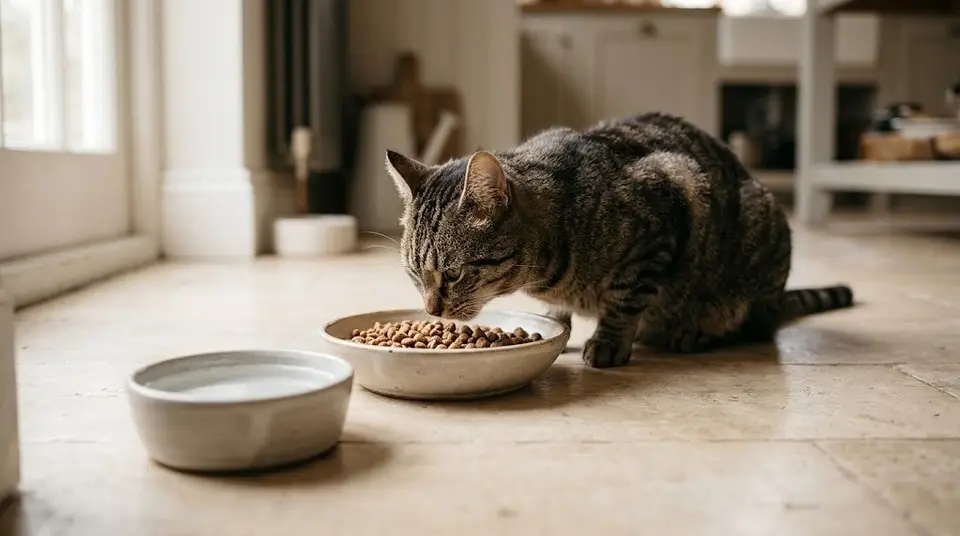
Best Cat Food: What to Compare
How to choose a cat food the way the Cornell Feline Health Center describes - the AAFCO statement, life stage, meat first, wet or dry - and five indoor, urinary and everyday foods compared on what their makers publish, with a rough dry-matter comparison of wet and dry.

Dog Vaccines: Core and Optional
Which vaccines dogs need: core vaccines for every dog, noncore ones chosen by lifestyle, the puppy series, boosters for adults and why rabies follows local law, from the Merck Veterinary Manual. A reading guide, not veterinary advice.

Why Do Cats Like Catnip?
Why cats react to catnip: the nepetalactone in its leaves, what the 5 to 15 minute response looks like, why about a third of cats ignore it, kittens under six months, and the plants that work for some of those cats.

Best Kitten Food: What to Compare
What kittens need from their food according to the Merck Veterinary Manual and the Cornell Feline Health Center - a growth or all-life-stages AAFCO statement, three to four meals a day, kitten food until about 9-12 months - and three kitten foods compared on what their makers publish.

Why Do Cats Loaf?
Why cats sit in the 'loaf' position with their paws tucked under: comfort, trust, keeping warm or staying alert, and the hunched loaf that can mean a cat is unwell, as veterinary behaviorists explain.

Best Puppy Food: What to Compare
What puppies need from their food according to the Merck Veterinary Manual - a growth AAFCO statement, four meals a day at first, large breeds on puppy food for longer - and three small- and large-breed puppy foods compared on what their makers publish, including calcium.
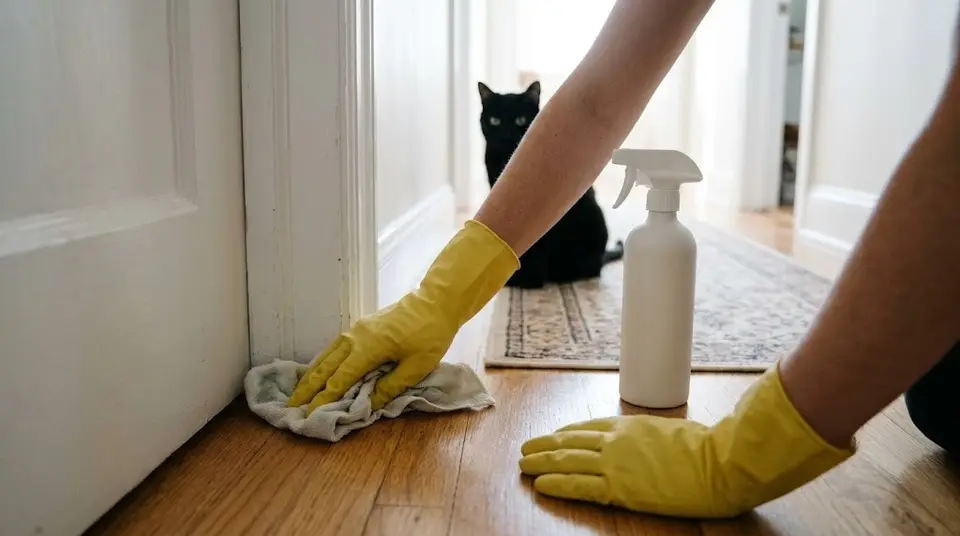
Why Do Cats Spray?
Why cats spray urine: what spraying is and how it differs from peeing outside the litter box, territory, other cats, frustration and anxiety, how much neutering helps, and the steps Cornell and the Merck Veterinary Manual suggest, starting with a vet check. A reading guide, not veterinary advice.
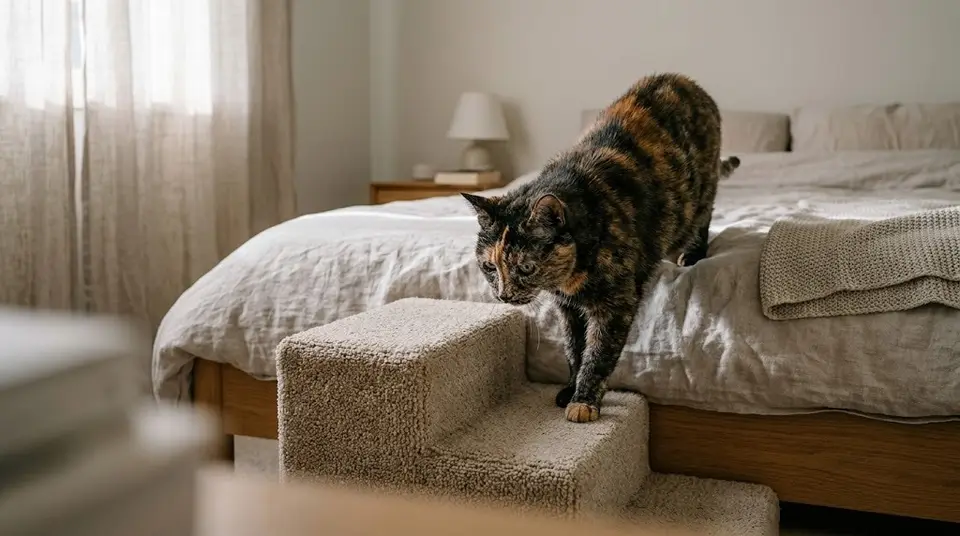
Senior Cat Food: What to Compare
What changes for older cats according to the Cornell Feline Health Center - weight gain or loss, dental pain that stops them eating, kidney changes, arthritis - and four 7+ and 11+ cat foods, dry and wet, compared on what their makers publish.

Why Dogs Circle Before Lying Down
Why dogs turn in circles before lying down: the one small experiment on it, in which dogs on a lumpy shag rug circled nearly three times as often as dogs on smooth carpet, the nest-making explanation it supports, and when restless circling can point to pain or a compulsive habit. A reading guide, not veterinary advice.

Senior Dog Food: What to Compare
What changes in an older dog's diet according to the Merck Veterinary Manual - possibly more protein, weight that can go either way - why there is no official senior nutrient standard, what a 2025 study of 61 adult and senior foods found, and three senior dog foods compared on what their makers publish.

Why Dogs Eat Their Own Poop
Why dogs eat stools (coprophagia): what a UC Davis survey of about 3,000 dogs found - 16% frequent stool eaters, mostly fresh stools, greedy eaters and multi-dog homes - the medical causes vets rule out first, and why prevention works better than powders. A reading guide, not veterinary advice.
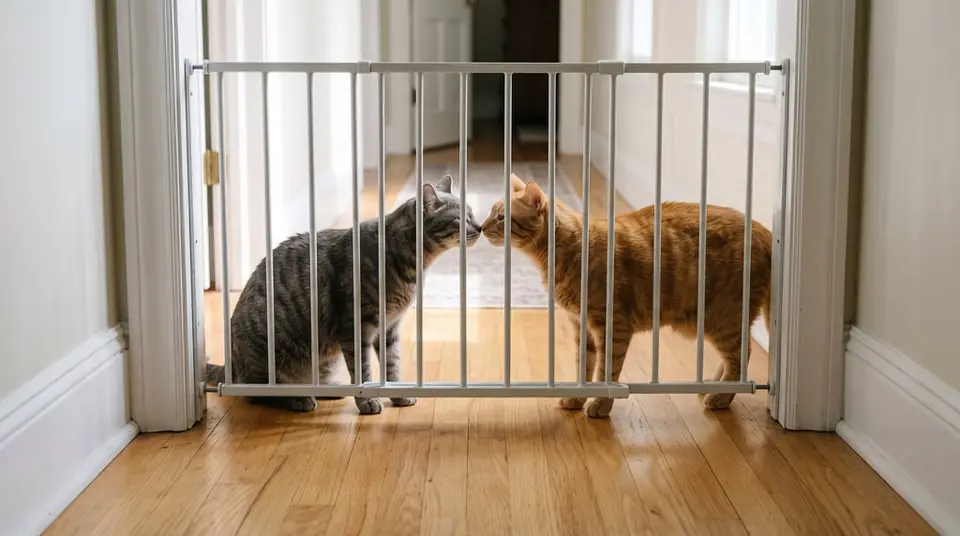
How to Introduce Two Cats
Putting a new cat straight in front of the resident cat is the usual mistake. The feline vets' own step-by-step guide works the other way round: a separate room first, then scent, then play behind a closed door, then sight, then supervised time together. What each stage looks like and when to slow down.
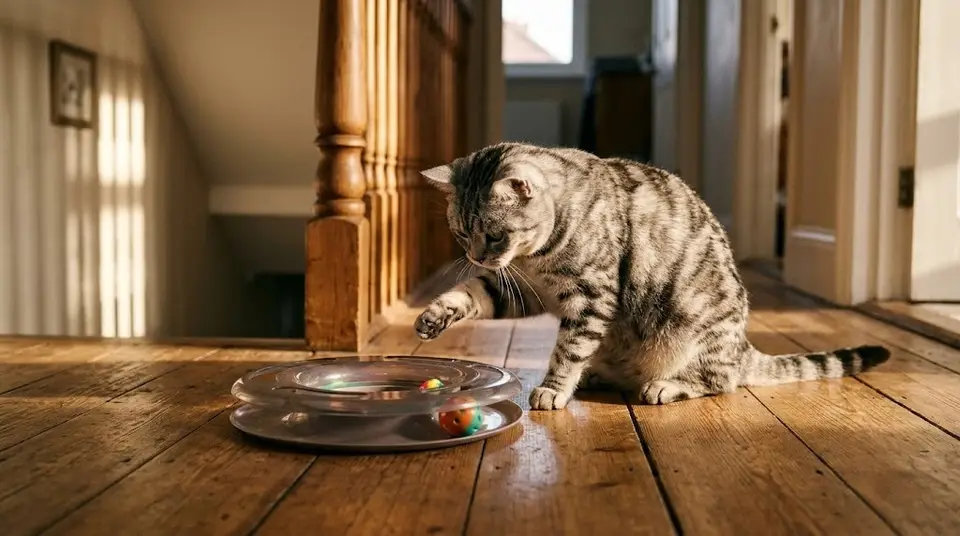
Cat Food for Diabetic Cats
What the Cornell Feline Health Center says about diet for diabetic cats - low carbohydrate, often wet food, slow weight loss, remission with early treatment - and two prescription low-carbohydrate diets compared on what their makers publish. A reading guide, not veterinary advice.

Why Do Dogs Get Hiccups?
Why dogs and puppies get hiccups, what happens in the body, what may help, and when hiccups are a reason to see the vet, from the American Kennel Club.
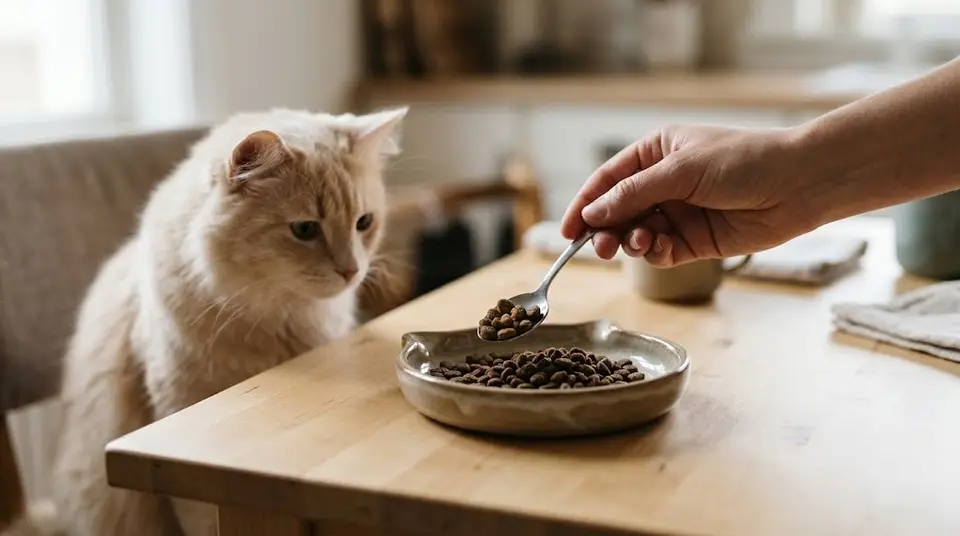
Cat Food for Sensitive Stomachs
When a cat's diarrhea is a food problem and when it is not, according to the Cornell Feline Health Center, how to change food without causing an upset, and three digestive cat foods - two over the counter, one prescription - compared on what their makers publish.

Why Dogs Lick Their Paws
Why dogs keep licking their paws: the order in which vets look for the cause - parasites, infection, allergy - airborne and food allergies, painful abscesses between the toes, and licking that has become compulsive, from the Merck Veterinary Manual. A reading guide, not veterinary advice.

What A Dog Really Costs
What a dog costs in the US, from published estimates rather than guesses - the ASPCA's first-year and annual figures, a 2025 lifetime study, and three costs that are easy to leave out of the budget.

Dog Allergies: Food, Fleas, Pollen
The three common kinds of allergy in dogs according to the Merck Veterinary Manual - flea saliva, airborne allergens (atopic dermatitis) and food - where each one itches, how vets tell them apart, the 3-month diet trial, and when an allergic reaction is an emergency. A reading guide, not veterinary advice.

Why Do Dogs Pant?
Why dogs pant: cooling without sweat, excitement and stress, the signs of heat stroke and the first aid the Merck Veterinary Manual gives, which dogs overheat most easily, and panting that can point to illness such as Cushing disease. A reading guide, not veterinary advice.

Dog Food for Acid Reflux
What the Merck Veterinary Manual says about feeding a dog with esophagitis from acid reflux - soft food, low in fat and fiber, small frequent meals - the signs to watch for, and two wet low-fat veterinary diets compared on what their makers publish. A reading guide, not veterinary advice.

Why Does My Cat Bite Me?
Why cats bite: play aggression, biting during petting, fear, pain and redirected aggression, the warning signs, what Cornell and the Merck Veterinary Manual say helps, and the CDC steps if a bite breaks the skin. Not veterinary or medical advice.

Back-to-School Separation Anxiety in Dogs
The short answer: it is not the empty house that upsets the dog, it is the sudden change. A dog that had company all summer needs a two-week fade-out, not a cold-turkey Monday morning. Here is how to run one.

Dog Food for Allergies
The diets vets use to diagnose and manage food allergy in dogs according to the Merck Veterinary Manual - novel-ingredient elimination diets and hydrolyzed-protein diets, fed strictly for up to 3 months - and three hydrolyzed prescription diets compared on what their makers publish.
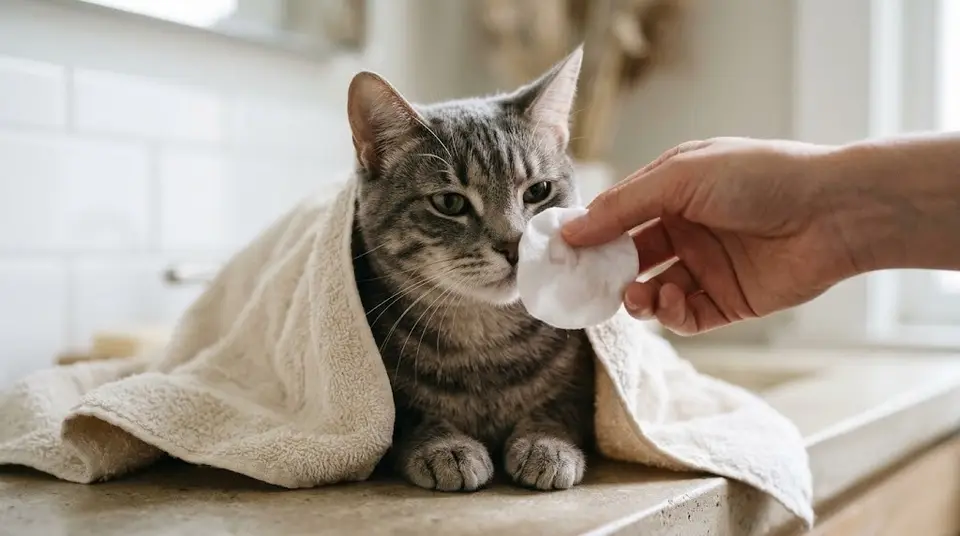
Why Your Cat Keeps Sneezing
Why cats keep sneezing: the cat flu viruses behind most cases and why they flare under stress, allergies, polyps, fungal infection, nasal vaccines, and when to see a vet, from the Merck Veterinary Manual. A reading guide, not veterinary advice.

Dog Dementia: Signs and Support
Canine cognitive dysfunction explained honestly: the DISHA signs, why night anxiety happens, the routine and enrichment that help, and when it is time to see the vet.

How to Stop a Dog Digging
The short answer: dogs dig for a reason - entertainment, prey, comfort, attention or escape - and you stop it by fixing that reason, not by punishing the hole. How to find the why and redirect it, following Humane World for Animals' guide.
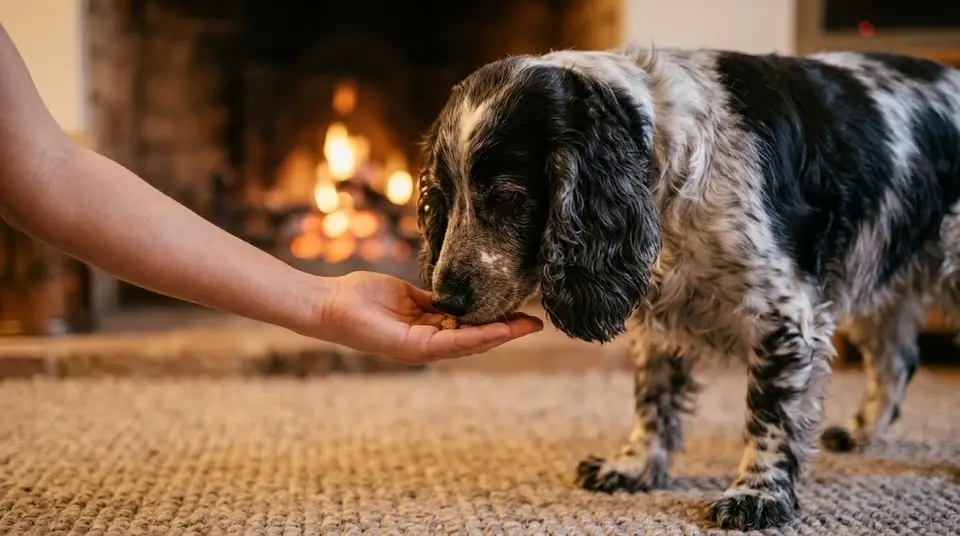
Dog Food for Liver Disease
What the Merck Veterinary Manual says about feeding a dog with liver disease - enough calories, small frequent meals, protein changes only for some complications, copper and sodium - and two prescription liver diets compared on what their makers publish. A reading guide, not veterinary advice.

Why Does My Cat Lie on My Chest?
Why cats lie on your chest: safety and trust, warmth, your heartbeat and breathing, scent and attention, when it can be a sign of stress or illness, and how to move your cat somewhere else, from a veterinarian's explanation.

Coping With the Loss
Pet grief is real grief. What the first weeks feel like, how to help children and the other animals in the house, gentle ways to remember, and when to reach for support.

Dog Food for Pancreatitis
What dogs with pancreatitis are usually fed: the low-fat diet and low-fat treats the Merck Veterinary Manual describes for mild cases, the eating habits it lists as a risk factor, and three prescription low-fat diets compared on what their makers publish.
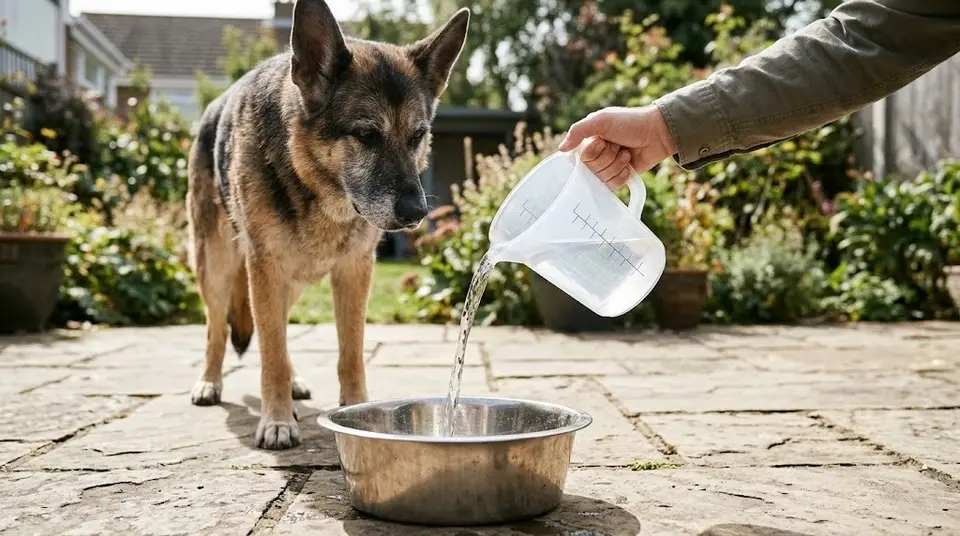
Why Your Dog Drinks So Much Water
Why a dog drinks more than usual: heat and exercise, the illnesses the Merck Veterinary Manual links with thirst such as kidney disease, diabetes and Cushing disease, two emergencies, and what to note before the vet visit. Not veterinary advice.

Vegan Dog Food: What to Know
Can dogs eat a vegan diet? What the Merck Veterinary Manual and a peer-reviewed 2016 review say - dogs can, if the diet is complete and balanced, and cats are a different case - what to check on the label, and two plant-based dog foods described from their makers' pages.

Helping a Dog With Arthritis
How to spot arthritis early, the home changes that genuinely reduce joint pain - weight, flooring, ramps, warmth - and the decisions that belong to your vet.

Mobility Aids for Aging Pets
Ramps, pet steps, slings and harnesses, wheelchairs and floor grip for older dogs and cats: which aid fits which problem, the signs that need a vet first, and what to check before you buy.

Why Does My Dog Eat Dirt?
Why dogs eat dirt and other non-food things (pica): puppy exploring, scavenging and compulsive eating, the medical causes vets rule out first, the signs of a blockage, and what Merck Veterinary Manual says helps - prevention and a work-for-food routine. A reading guide, not veterinary advice.

Dog Eats Treats but Not Food
Why a dog skips its food but still eats treats: illness and mouth pain to rule out first, food aversions after an upset stomach, anxiety, learned taste preferences, and the work-for-food approach the Merck Veterinary Manual describes for feeding problems. A reading guide, not veterinary advice.
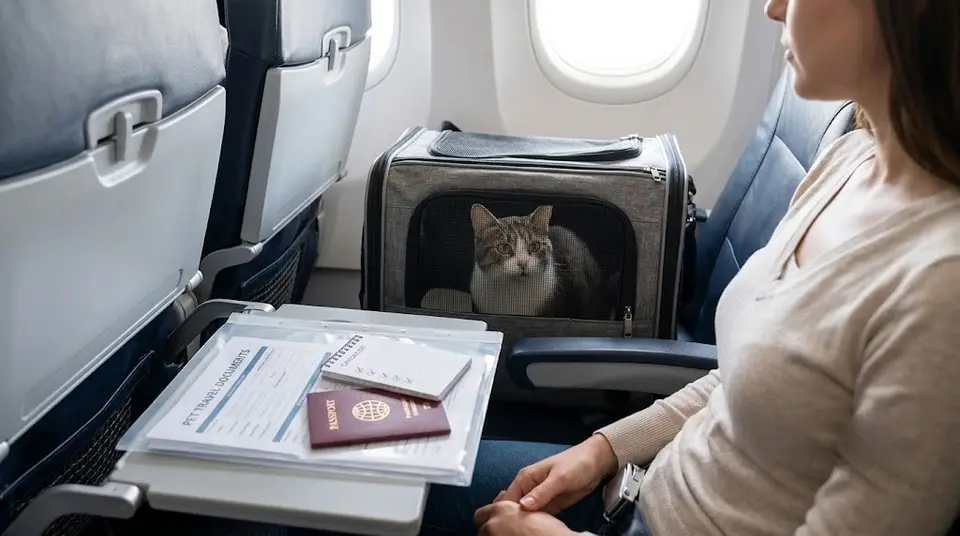
Flying With Your Cat
How cats fly in the cabin: carrier sizing, a realistic training timeline, the documents question in plain terms, and why sedation is a vet-only decision.

Dog Insurance in Germany: Surgery Cover, Full Cover and the GOT
How dog health insurance works in Germany in 2026 - surgery-only cover versus full cover, the veterinary fee schedule (GOT) and why the reimbursed rate matters, what Stiftung Warentest tested, and what to check before you sign.

Why Your Dog Has Diarrhea
Why dogs get diarrhea, what the stool itself tells a vet (small or large intestine, blood, black stools), the three causes that cannot wait - parvovirus, hemorrhagic gastroenteritis and blockage - and how vets handle food afterwards, from the Merck Veterinary Manual. A reading guide, not veterinary advice.

Orthopedic Dog Beds: What Helps Older and Arthritic Dogs
What an orthopedic dog bed is and is not: solid, egg-crate and shredded foam, thickness and sizing, cooling and donut beds, the one veterinary-school pilot study of a dog bed, and where a bed fits in a vet's arthritis plan.

Flying With Your Dog
Cabin, checked, or cargo: how dogs actually fly, how carrier size limits work, an 8-week preparation plan, and the honest risks for snub-nosed breeds.

Pet Insurance Pre-Existing Conditions Explained: What's Covered, What Isn't
How pet insurance treats pre-existing conditions in 2026 - the regulators' model definition, curable conditions and symptom-free periods, bilateral clauses, and what each insurer publishes.

Why Your Dog Keeps Shaking Its Head
Why dogs keep shaking their heads: outer ear inflammation and its causes, middle ear infection, the ear-flap blood blister shaking can cause, and why home remedies make it worse, from the Merck Veterinary Manual. A reading guide, not veterinary advice.

E-Collars for Dogs: What the Evidence and Vet Bodies Say
The evidence on e-collars (remote electronic training collars), the veterinary behavior society's position, where they are illegal, how the devices work, and what to try first. Not a how-to for using one.

Ways to Remember Your Pet
Gentle, concrete memorial ideas: a planted tree or shrub, a memory box, paw prints, photo books and letters, donations in your pet's name, and what grief counsellors say about when a next pet makes sense.

Wireless Dog Fences: GPS, In-Ground Wire and Transmitter Systems
How GPS collars, buried-wire systems and in-house transmitter fences work, what training they need, which dogs they fail, the safety rules for correction collars, the AVSAB position on them, and when only a physical fence will do.

Why Your Dog Keeps Sneezing
Why dogs keep sneezing: viruses, allergies, irritants, something stuck in the nose, nasal mites and tooth abscesses, what reverse sneezing is, and the nose signs that need a vet, from the Merck Veterinary Manual. Not veterinary advice.

Cat Litter Types Compared: Clay, Crystal, Wood, Corn and Paper
Cat litter types compared (clumping clay, crystal, wood, corn and paper), with what Cornell and the ASPCA say cats prefer, what color-changing litter can and cannot tell you, and how to set up and clean the box.

Saying Goodbye: A Gentle Guide
How to think about quality of life, what the HHHHHMM scale really measures, what happens during euthanasia, and why your grief deserves room - a calm, honest guide.

AirTag for Dogs: How It Works, Its Limits and Choosing a Holder
Using an AirTag on a dog - how it finds things by Apple's own description, what that means for a lost dog, how to choose a collar holder that stays shut, and when a cellular GPS tracker is the better tool.

Why Your Dog Keeps Throwing Up
Why dogs vomit, from garbage and poisons to pancreatitis and kidney disease, how vomiting differs from regurgitation, what a vet checks for short-term and long-term vomiting, and the signs that cannot wait, from the Merck Veterinary Manual. A reading guide, not veterinary advice.

Senior Cat Care Essentials
Cats hide aging well. What changes after 11, the kidney and thyroid checks worth asking your vet about, and the litter box, grooming, and water fixes that help.
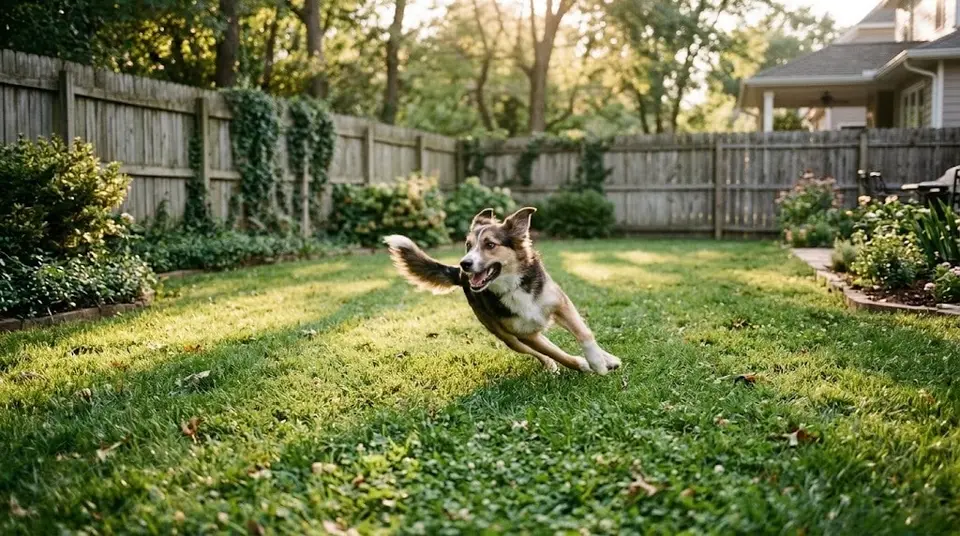
Why Dogs Get the Zoomies
Sudden bursts of tearing around the house or garden, often in the evening, after a bath or when you come home, are a normal way for many dogs to burn off energy. When they tend to happen, how to keep them safe, and the signs that are worth a call to your vet.

Dog Car Travel Safety
Dog car safety in 2026 by the one independent benchmark there is - which harnesses, crates and carriers are certified by the Center for Pet Safety, what its crate study found, and where a dog should ride.
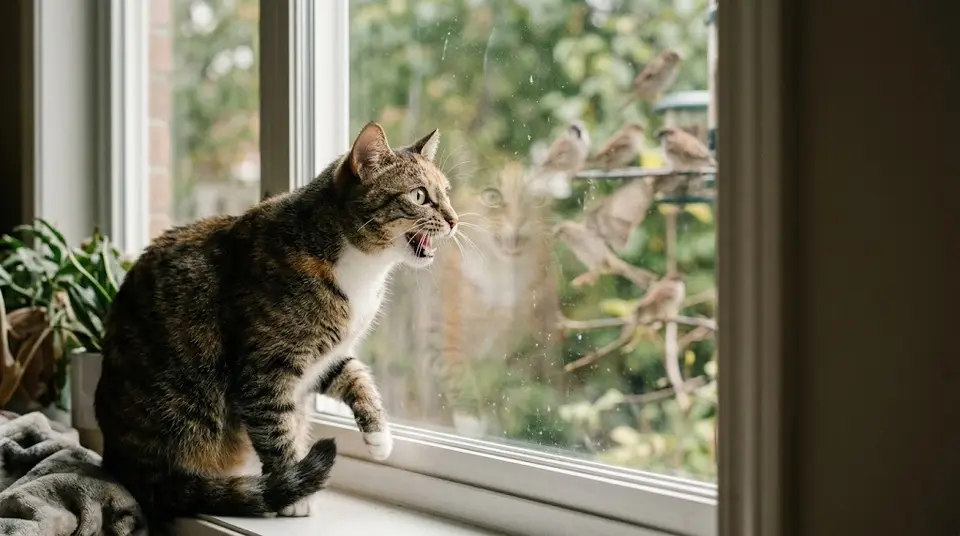
Why Cats Chatter at Birds
The fast clicking jaw and little chirps a cat makes at a bird through the window mean it has spotted prey it would like to hunt and cannot reach. The theories behind the sound, what is and is not known, and how to give that energy somewhere to go.

Senior Dog Care Made Simple
When your dog officially becomes a senior, what actually changes, and the home adjustments that matter most - beds, ramps, rugs, and a smarter vet schedule.

Litter Box Hygiene Guide
Litter box hygiene in 2026, following the Cornell Feline Health Center and the ASPCA - how many boxes, how deep the litter, how often to scoop and wash, why scented products backfire, and what to check when the smell will not go.

Why Dogs Tilt Their Heads
The head tilt is not a dog trying to look cute. The best evidence links it to listening and recalling something meaningful, with ear position and muzzle shape as possible extras. What the research found, what is still a guess, and how a normal tilt differs from one that needs a vet.

Calming Aids for Dogs: Pheromones, Wraps, Supplements and the Evidence
The kinds of calming aid for dogs sorted by how much evidence stands behind them - pheromone diffusers and collars, pressure wraps, supplements, CBD and the prescription gel for noise fear - which trigger each is meant for, and when anxiety needs a vet instead.

Pet Microchip vs GPS Tracker
Microchip vs GPS tracker - what each one does, what each one can't do, and why the two cover different ways of losing a pet.
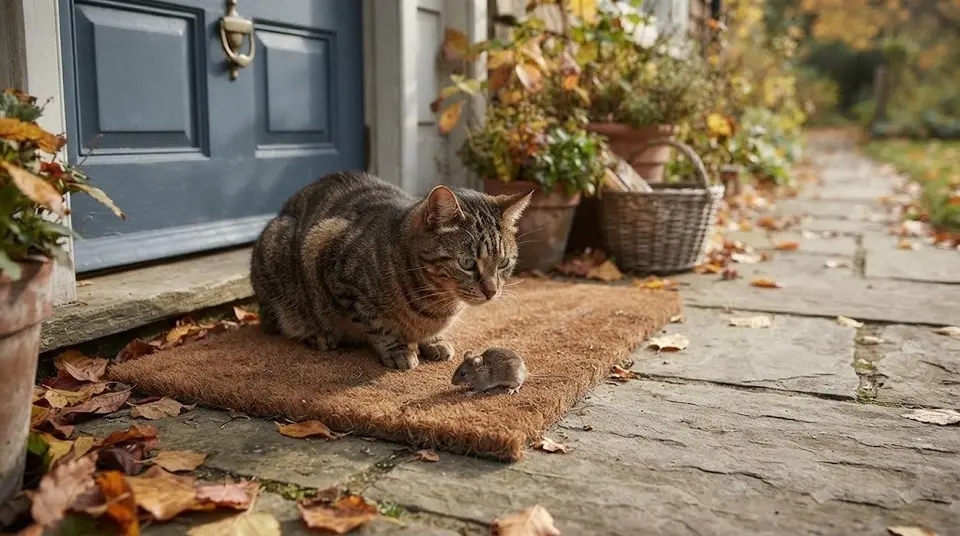
Why Cats Bring You Dead Animals
A cat that leaves a mouse on the doormat is not paying tribute or teaching you to hunt - it is carrying prey to the safest place it knows. What drives the habit, why it peaks in autumn, and what research shows reduces it without punishing the cat.

Allergy Medication for Dogs: How Apoquel, Cytopoint and Antihistamines Differ
How the treatments for itchy, allergic dogs differ - JAK inhibitor tablets, the itch antibody injection, cyclosporine, antihistamines and allergy shots - what each label says, who each is not for, the diagnostic workup, and the questions to take to your vet.

Puppy Socialization Timeline (8-16 Weeks)
Week-by-week puppy socialization timeline for the critical 8-16 week period - what to expose them to, how to do it safely, and what to skip.

Pet Stairs vs Ramps
Pet stairs or a ramp for a dog or cat - what Cornell advises for dogs at risk of disc disease, how to work out a ramp's slope, what three PetSafe products are rated for, and how to teach a pet to use either.

Why Cats Knock Things Off Tables
Cats push objects off edges because a paw is their main investigation tool, because falling things behave like prey, and because it reliably makes you look up. Here is how to tell the three apart, what reduces it, and the rarer case where a sudden increase is worth a vet visit.
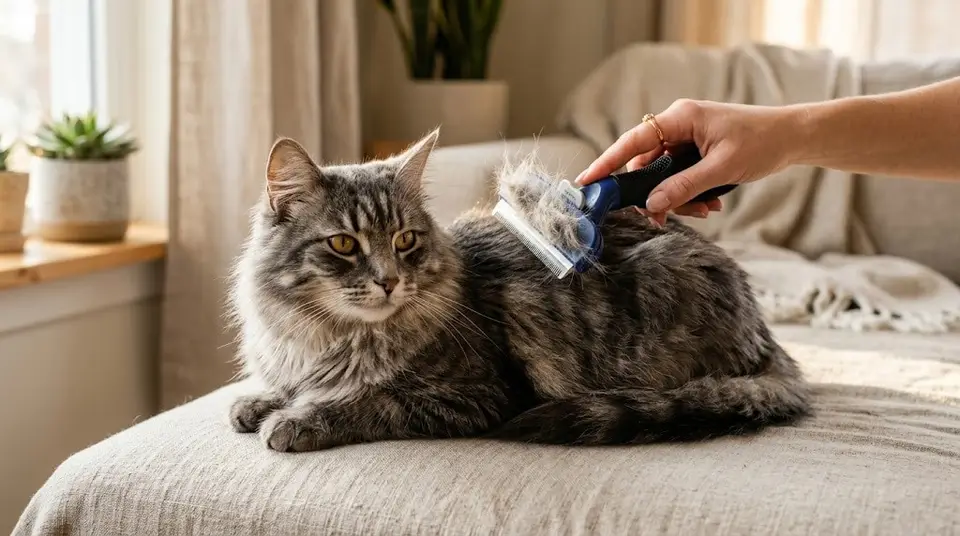
Cat Brushes for Shedding: Slickers, Combs and the FURminator
Which brush suits which cat coat, how a deshedding tool like the FURminator differs from a slicker, how often the ASPCA and Cornell say to brush, how to deal with mats, and when shedding means a vet visit.
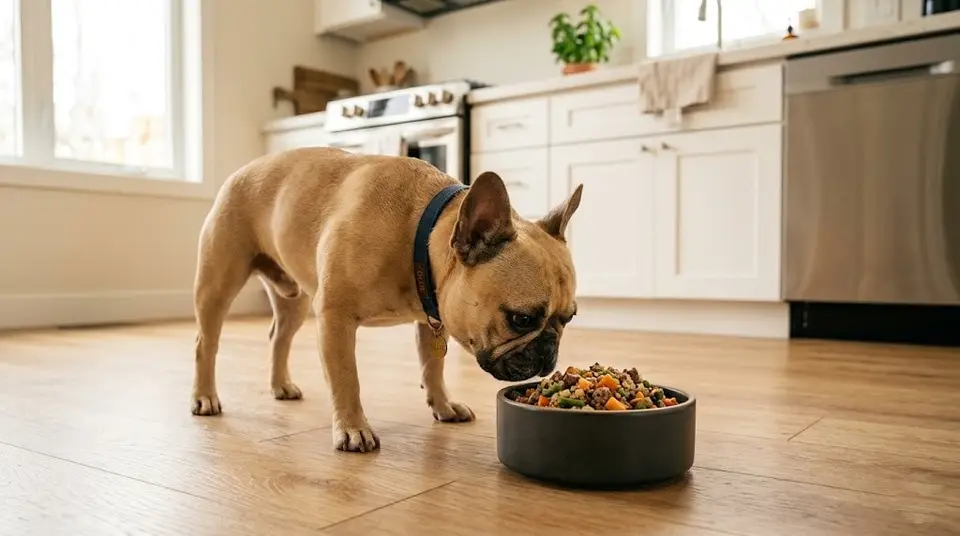
Food for Dogs With Sensitive Stomachs: Which Kind for Which Problem
Sensitive-stomach, limited-ingredient, novel-protein, hydrolyzed and prescription GI diets - what each is for, how to run a food trial for a suspected allergy, what probiotics can and cannot do, and when the answer is a vet, not a new bag.

Cat Toys by Play Style: Wands, Puzzles, Catnip and Safe Play
Cat toys by the kind of play they give - wands, ball tracks, food puzzles, catnip and silver vine, moving toys - what a study of 100 cats found about catnip, the laser pointer question, and which household objects are dangerous to play with.

Why Dogs Roll in Smelly Things
Rolling in fox poo, dead fish and worse is normal canine behaviour with a few competing explanations - scent masking, scent collecting and plain enjoyment. Here is what the evidence supports, how to spot the pre-roll, and when a roll is worth a call to the vet.
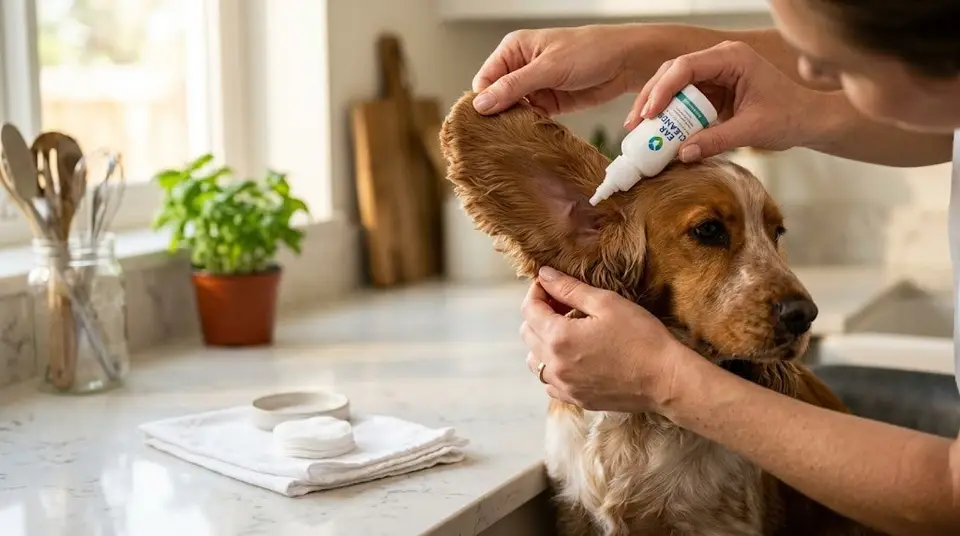
Dog Ear Cleaners Compared
Five dog ear products compared on what their makers state - a drying cleanser, a dewaxing cleaner, an herbal wash, an enzyme cleanser and an enzyme treatment - plus who needs ear cleaning at all, the step-by-step method in the Merck Veterinary Manual, and when an ear needs a vet instead of a cleaner.

Dog Crates: Types, Sizes and Crate Training
Wire, plastic, aluminum, wooden and soft dog crates - what each type is for, how to size a crate, how long a dog can stay in one and how to introduce it, following Humane World for Animals.

Dog Food Brands to Avoid?
No regulator keeps a list of dog food brands to avoid. What is public: FDA recalls, the FDA heart-disease (DCM) report that named brands, and the questions WSAVA suggests asking any company - plus how to read an AAFCO statement and compare cost.

Why Cats Knead With Their Paws
Kneading is a retained kitten behaviour that never switches off, layered with scent marking and comfort. Here is what the behaviour means, why some cats drool or suckle while doing it, and the few changes that are worth a vet conversation.
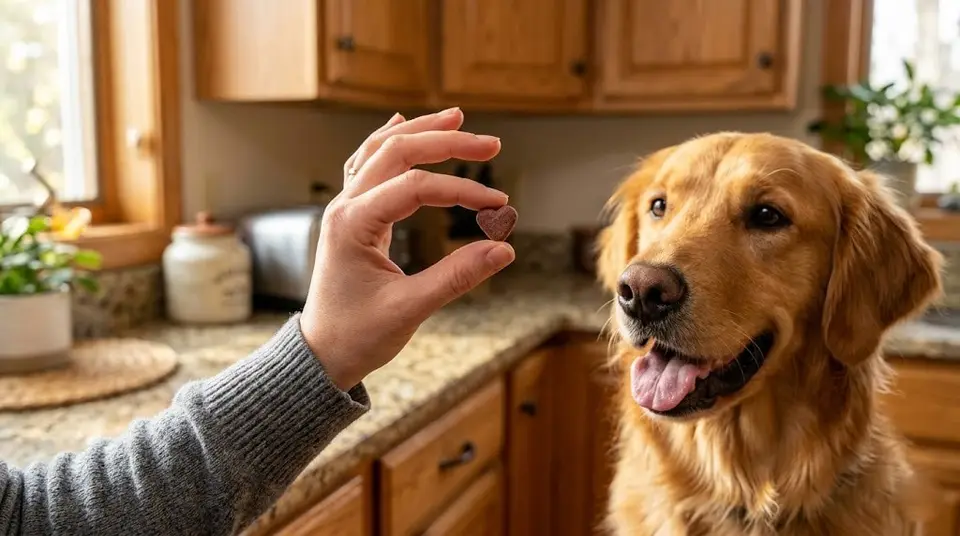
Heartworm Prevention for Dogs: How It Works and What Labels Cover
How heartworm disease develops, why preventives work backward, monthly chews versus injections, which other parasites US labels cover, testing first, MDR1 in collie breeds, generics, and why the American Heartworm Society says year-round.

Flea and Tick Prevention for Dogs: Chews, Spot-Ons and Collars Explained
How the kinds of flea and tick prevention for dogs differ - isoxazoline chews, spot-ons and collars - which ticks US labels cover, minimum puppy ages, the FDA seizure caution, the EPA review of collars, cats and permethrin, and why vets advise year-round control.

No-Pull Dog Harnesses: How They Work, Fitting and Training
How a no-pull harness works (front clip, two-point and tightening designs), three models compared, what the published research says about collars, harnesses and pulling, how to fit one, and the reward-based training that has to go with it.

Why Dogs Shed More in Fall
Autumn shedding is a real, predictable seasonal event driven by daylight, not temperature. Here is what normal fall coat turnover looks like, how long it lasts, and the few patterns that are worth a vet conversation instead.
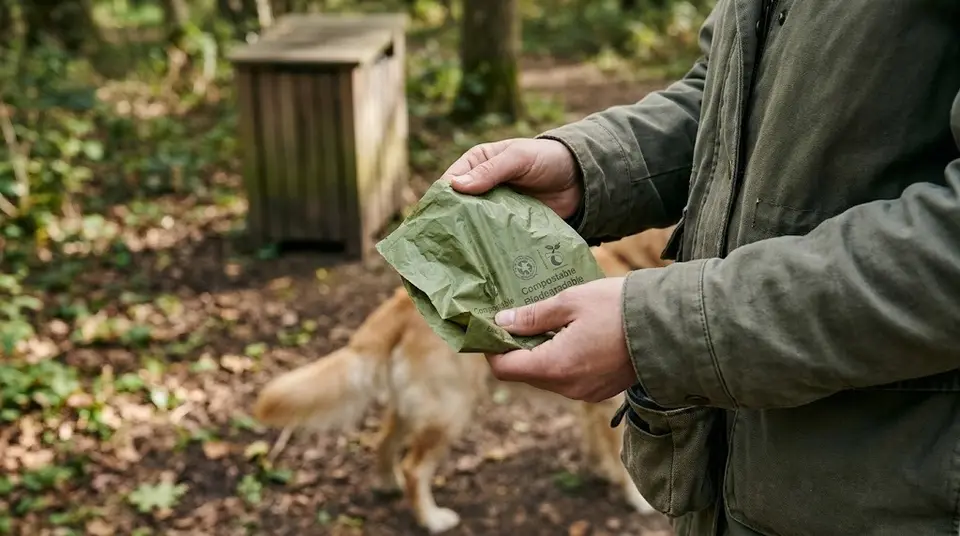
Biodegradable and Compostable Poop Bags: What the Labels Mean
What 'biodegradable' and 'compostable' mean on a dog poop bag - the FTC's warning to sellers, what certification means, and how to dispose of dog waste when no composting facility near you accepts it.

GPS Dog Trackers: How They Work and What to Check Before Buying
Cellular GPS trackers, GPS fence collars and Bluetooth tags like the AirTag: what each can and cannot do, what battery claims mean, coverage, subscription costs over the years, and why Whistle trackers no longer work.

How to Choose Pet Insurance: What to Compare in a Policy
How to read and compare a pet insurance policy: reimbursement, deductibles, annual limits, waiting periods, pre-existing condition rules, direct payment to the vet, wellness add-ons, cats and exotic pets - with the industry's average premiums.

Why Dogs Eat Grass
The short answer: grass eating is common, mostly normal, and rarely the sign of illness people assume it is. Here is what the survey research found, and the small number of situations that are worth a vet call.
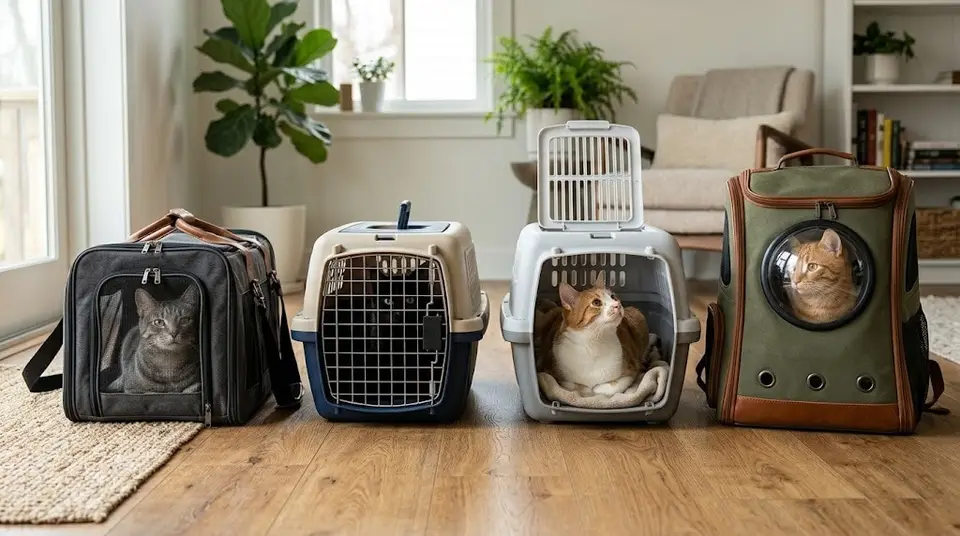
Cat Carriers Compared: Top-Opening, Front-Loading, Soft and Backpacks
Cat carrier types compared - top-opening hard carriers, front-loading, soft airline carriers and backpacks - with Humane World's advice for vet visits, what to check on the size rating and airline rules, and how to get a cat used to one.
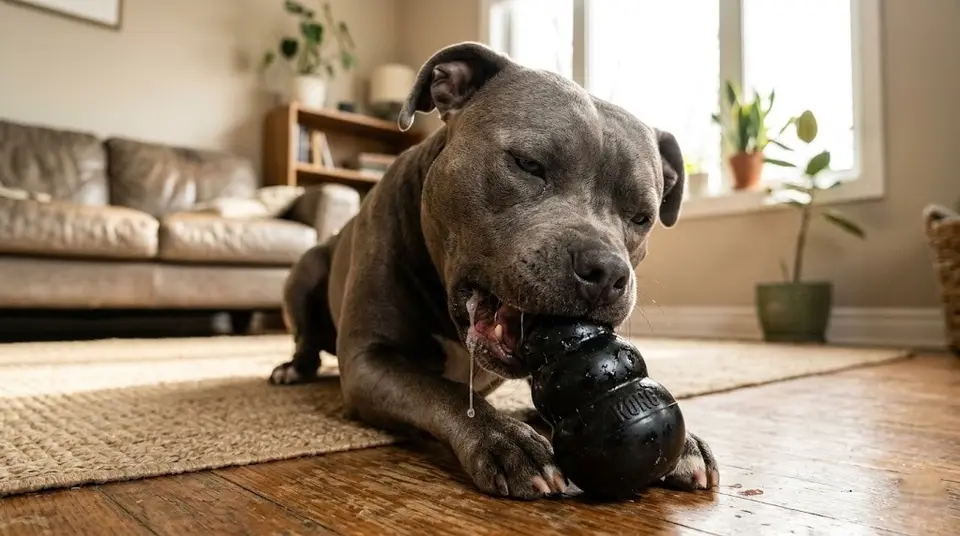
Tough Dog Toys for Power Chewers: What Holds Up, What Breaks Teeth
No dog toy is indestructible. What a tough toy is made of, how to size one for a power chewer, stuffed toys and lick mats, when to throw a toy away, and which hard chews the Merck Veterinary Manual names among causes of broken teeth.

How to Stop Dog Barking: Find the Cause, Then Train
Problem barking in dogs - how to tell alert, demand, boredom and anxiety barking apart, what reward-based training does about each, and what products can and cannot add.

Why Your Dog Follows You Everywhere
The short answer: following you around is often learned or part of a dog's nature, and a clingy dog is not the same as a dog with separation anxiety. How to tell the two apart, when new clinginess is worth a vet visit, and how to teach a velcro dog a little independence.

Cat Scratching Post Placement
Where to put a cat scratching post so that it gets used - Cornell's advice on height, sturdiness and placement, what a survey of 4,331 owners found about posts and materials, and how to move a cat off the sofa without punishment.

Is Pet Insurance Worth It? Real Cost Analysis With Numbers
Whether pet insurance is worth the money in 2026 - the industry's own average premiums, how to run the arithmetic for your pet, and the cases where saving the premium instead makes more sense.
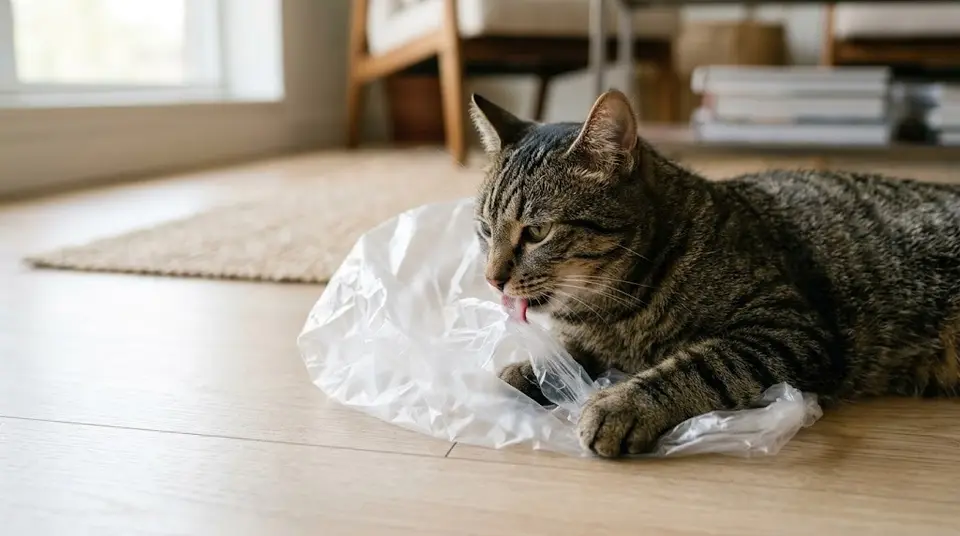
Why Cats Lick Plastic
The short answer: plastic bags appeal to a cat's senses through their crinkle, the smell of food they held and the coatings some bags carry, and for a few cats licking or chewing them is a sign of stress or pica. What is normal, what is not, and when to call the vet.

Cat Tree Buying Guide: Stability, Perches, Posts and Placement
How to choose a cat tree: what to measure, what a survey of 4,331 cat owners found about posts cats use, six trees for large cats compared from makers' pages, where to put it and when to replace it.

VOHC-Accepted Dog Dental Chews: What the Seal Means
What the Veterinary Oral Health Council seal means for dog dental chews, which chews are on the council's list for plaque and which for tartar, why the calories count, and where a chew fits beside brushing and professional cleaning.
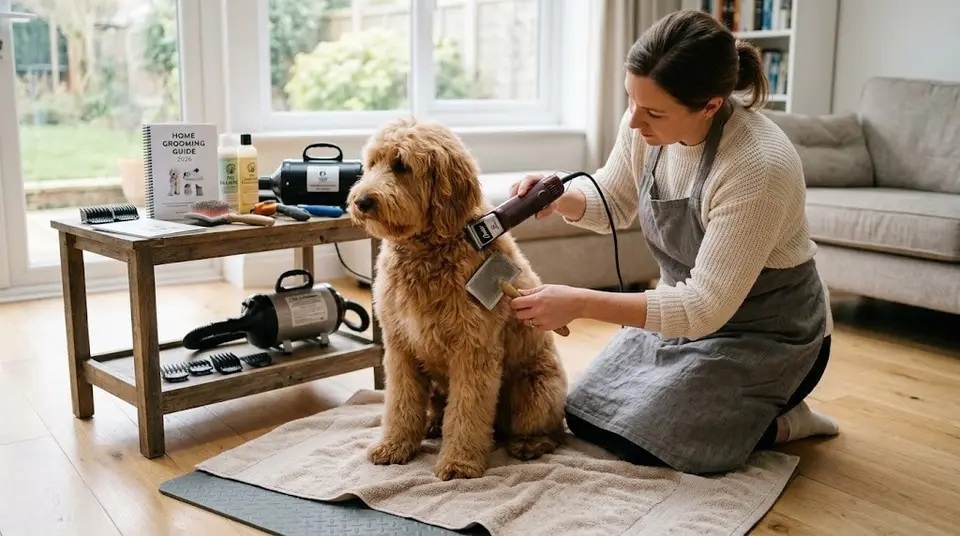
Dog Grooming at Home: Brushing, Bathing and Nails
Dog grooming at home, following the ASPCA's grooming advice - brushing by coat type, bathing, nail trimming without hitting the quick, clippers and grinders, and what to leave to a groomer or vet.

Dog Treadmill Guide
Dog treadmills in 2026 - who they suit, what Cornell's canine health center says about treadmill training and safety, why a human treadmill is usually too short, and cheaper ways to exercise a high-energy dog.

Doggy Daycare vs Pet Sitter
Doggy daycare or a pet sitter - which suits which dog, what to look for on a visit, the questions Humane World says to ask a sitter, what to leave behind, and how to compare the real cost for your own week.

Flying With Your Pet
A 2026 guide to flying with dogs and cats - cabin versus hold, where each airline publishes its fees and carrier sizes, the paperwork for the EU and the US, and what the airlines' own body says about sedation.
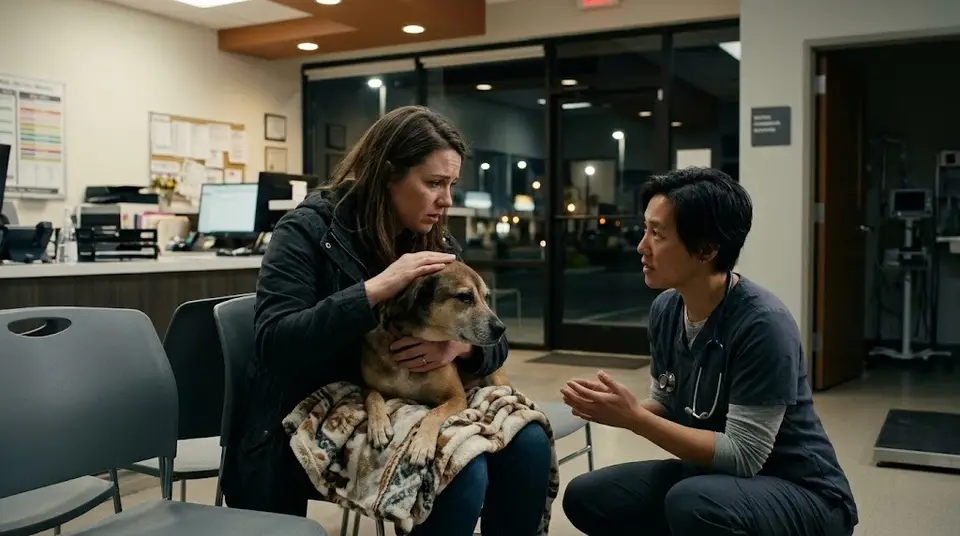
Pet Emergency Vet Guide
When to take your pet to the emergency vet - the 13 situations the AVMA says need immediate veterinary attention, two that owners often miss, what to do on the way, and how to prepare.
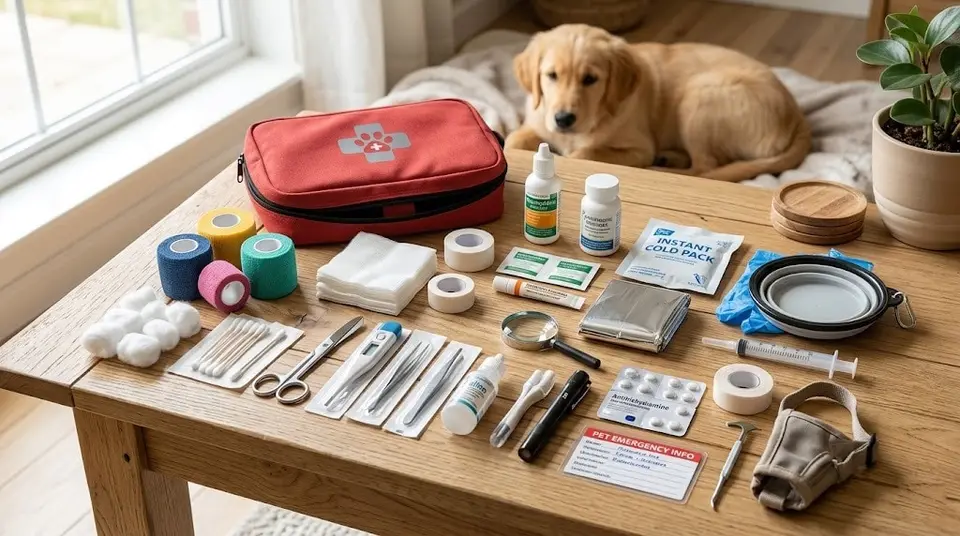
Pet First Aid Kit Essentials
A pet first aid kit checklist for 2026 - 25 items for a dog or cat household, what each is for, and where the veterinary associations' own lists agree.

Pet Odor Removers: Enzyme Cleaners and How to Use Them
A guide to pet odor removers - why enzymatic cleaners are the ones made for pet urine, what to avoid and why, and how to clean each kind of surface, following the Humane World for Animals advice.

Senior Dog Care Checklist
A senior dog care guide built on the AAHA Senior Care Guidelines - when a dog counts as senior, joints, diet, cognitive changes, the vet schedule, and the quality of life conversation.
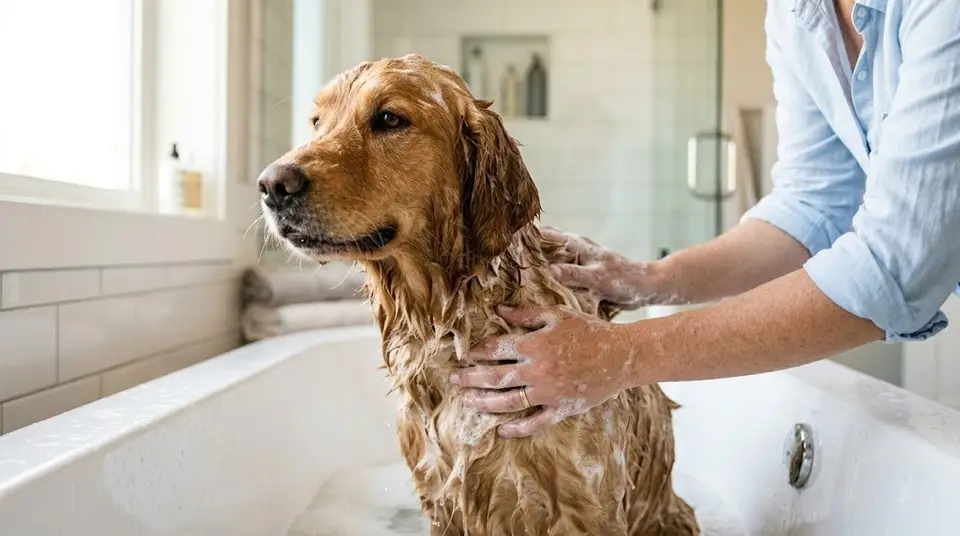
Dog Shampoo by Coat Type: Short, Long, Double Coats and Sensitive Skin
Which kind of dog shampoo suits which coat and skin (oatmeal, conditioning, fragrance-free, puppy and flea shampoos), three itchy-skin shampoos compared, how often to bathe, why not human shampoo, and when the answer is a vet, not a bottle.

Dog Anxiety: Seven Natural Remedies and the Evidence for Each
Seven non-drug approaches to dog anxiety - exercise, training, pheromones, music, pressure wraps, L-theanine, CBD - with an honest note on how much evidence each has and when you need a vet.

Pet-Friendly Hotels and Airlines: Complete Travel Guide
Travelling with a dog or cat in 2026 - what four hotel chains publish about pets, how to check any other property, where airline rules live, the EU and US paperwork, and what to pack.