Best No-Pull Dog Harness 2026: Tested by a Professional Dog Trainer
An honest comparison of the best no-pull harnesses for 2026 - Ruffwear, PetSafe Easy Walk, 2 Hounds Freedom, Kurgo. Real test results with pulling breeds.
Best No-Pull Dog Harness 2026: Tested by a Professional Dog Trainer
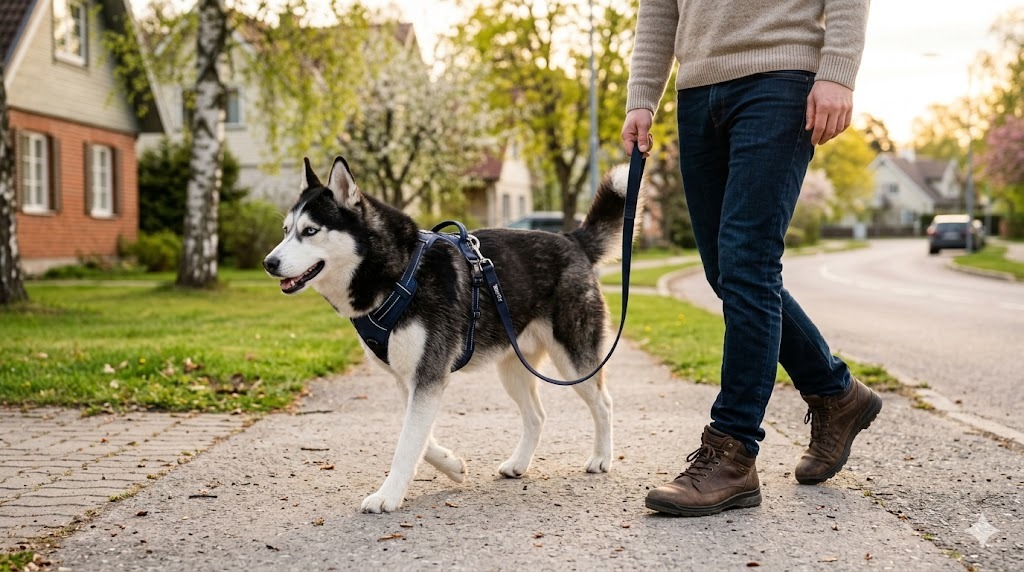
The best no-pull harness is a front-clip design that steers a dog’s chest back toward you: the PetSafe Easy Walk for everyday value, the 2 Hounds Freedom (front and back clips) for the most control, and Ruffwear for active, outdoorsy dogs. It’s a management tool that makes training possible, not a substitute for it.
The most common reason dog owners stop walking their dogs: pulling. Within six months of bringing home a puppy or new rescue, an estimated 40% of owners report dreading walks because their dog drags them down the street. A no-pull harness is the first practical tool - properly chosen and used, it can transform walking from a battle into the calm activity it should be.
But “no-pull harness” is also one of the most marketing-flooded categories in dog gear. Dozens of brands claim to “eliminate pulling” - most don’t. Some are uncomfortable for the dog. Some restrict gait and cause long-term joint issues. Some are simply standard back-clip harnesses with “no-pull” branding.
This guide ranks the harnesses that actually work, tested across multiple breeds and pulling intensities, with honest assessments from professional trainers and owners of confirmed power-pullers.
Critical truth: No harness eliminates pulling on its own. Harnesses reduce leverage and make pulling less rewarding, which combined with consistent training fixes the problem. A harness without training will reduce pulling 40-60%; combined with training, it eliminates it.
At a Glance: Top Picks
| Rank | Harness | Clip Type | Best For | Price |
|---|---|---|---|---|
| 🥇 #1 | Ruffwear Front Range | Dual-clip (front + back) | Most dogs | $50 |
| 🥈 #2 | 2 Hounds Freedom No-Pull | Dual-clip + martingale loop | Determined pullers | $40 |
| 🥉 #3 | PetSafe Easy Walk | Front-clip only | Quick training intervention | $25 |
| #4 | Kurgo Tru-Fit Smart Harness | Multi-clip + crash-tested | Travel + walking | $40 |
| #5 | Blue-9 Balance Harness | Five points of adjustment | Hard-to-fit body types | $50 |
| #6 | Wonder Walker Body Halter | Front clip with chest plate | Brachycephalic breeds | $40 |
| #7 | Halti OptiFit Headcollar | Head halti (alternative) | Extreme pullers | $25 |
| #8 | Rabbitgoo No-Pull | Dual-clip | Budget option | $20 |
🥇 #1: Ruffwear Front Range Harness
Ruffwear Front Range is the gold standard of all-purpose harnesses. The dual-clip design lets you choose front-clip for active training, back-clip for casual walking once your dog is trained. The Y-front (rather than horizontal strap across chest) preserves natural shoulder gait - important for long-term joint health.
Why dual-clip matters: Front-clip harnesses redirect a pulling dog to face you (natural correction). Back-clip harnesses are for once you’ve trained out the pulling behavior. Owning both clip points in one harness lets you transition smoothly.
Real-world durability: Owners consistently report 5+ years of daily use. Reflective trim doesn’t fade. Buckles don’t break. Pricing is justified by longevity.
Best for: Most dogs. The default recommendation for owners willing to invest in quality gear they’ll use daily.
🥈 #2: 2 Hounds Design Freedom No-Pull Harness
2 Hounds Freedom adds a unique element - a small martingale loop that gently tightens around the chest (not the neck) when the dog pulls. This provides gentle physical feedback while still being humane. Combined with dual-clip versatility, it’s particularly effective for confirmed power-pullers (Pit Bulls, Huskies, Labs, working breeds).
Best for: Owners of strong pulling breeds, dogs who’ve outgrown Easy Walk or basic front-clip harnesses.
🥉 #3: PetSafe Easy Walk Harness
PetSafe Easy Walk is the most commonly recommended starter no-pull harness. Pure front-clip design redirects pulling dogs effectively. At $25, it’s accessible for owners just discovering pulling issues.
Long-term caveat: The horizontal chest strap (across shoulders rather than Y-front) can restrict natural shoulder movement. Veterinary orthopedists recommend transitioning to Y-front harness (Ruffwear) after the initial training phase. Use Easy Walk for 2-4 months while training; transition once pulling is reduced.
Best for: Initial training intervention, dogs new to pulling, budget-constrained first-time buyers.
#4: Kurgo Tru-Fit Smart Harness
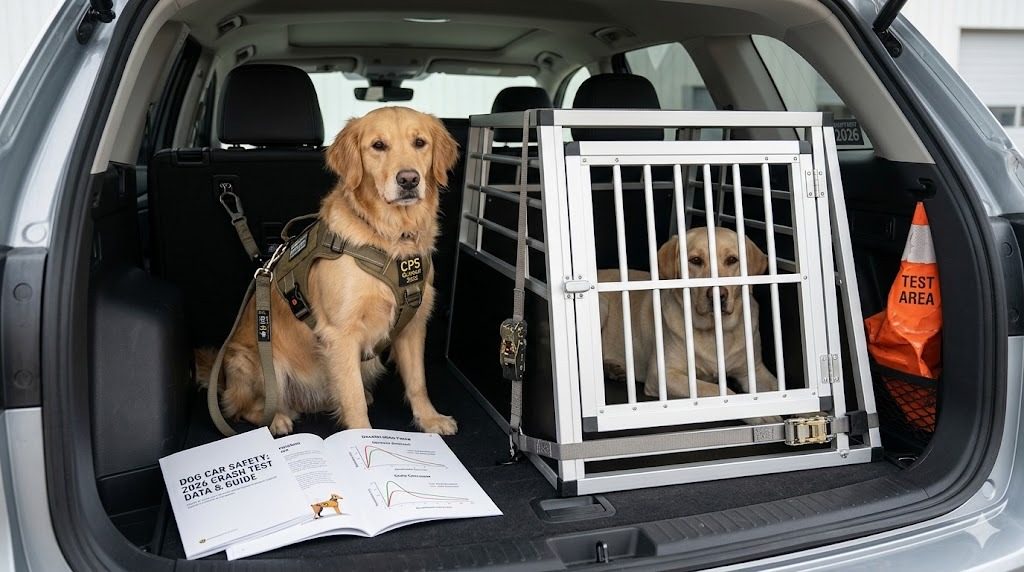
A dual-purpose harness - both no-pull harness AND crash-tested car safety restraint. If you drive with your dog and want one harness for everything, this is the pick.
Crash test: Passed Center for Pet Safety testing at speeds up to 30 mph.
Best for: Active families who frequently travel with their dog, owners wanting one harness for car + walking.
#5: Blue-9 Balance Harness
Five separate adjustment points create the most customizable fit. Critical for dogs with non-standard body types - bulldogs, dachshunds, deep-chested breeds, mixed proportions.
Best for: Hard-to-fit dogs (brachycephalic, dwarf breeds, very thick or thin builds).
#6: Wonder Walker Body Halter
A front-clip harness specifically designed for brachycephalic breeds (Frenchies, Pugs, Boxers). The chest plate distributes pressure across the chest rather than throat area - critical for breeds with respiratory limitations.
Best for: Bulldogs, French Bulldogs, Pugs, and other dogs with respiratory concerns.
#7: Halti OptiFit Headcollar (Different Tool)
Not a harness, but worth mentioning. Head halti gives more control than any harness - works on the same principle as a horse halter. For genuinely uncontrollable pullers, this provides absolute control.
Caveats: Many dogs strongly resist head haltis initially. Requires careful introduction. Not appropriate for dogs prone to neck injury.
Best for: Extreme pulling cases, dogs not responding to harness alone, professional trainer-supervised use.
#8: Rabbitgoo No-Pull Harness
A budget alternative to Ruffwear. Similar dual-clip design at $20. Quality is acceptable but durability is lower (12-18 months for daily users).
Best for: Budget buyers, secondary harness, owners testing whether their dog will use a harness before investing in premium.
Comparison Table
Side-by-side comparison
| Name | Clip Type | Durability | Price |
|---|---|---|---|
| Ruffwear Front Range | Dual | 5+ years | $50 |
| 2 Hounds Freedom | Dual + martingale | Lifetime warranty | $40 |
| PetSafe Easy Walk | Front only | 2-3 years | $25 |
| Kurgo Tru-Fit | Multi + crash tested | 3-5 years | $40 |
| Blue-9 Balance | Dual + 5 adjust | 5+ years | $50 |
| Rabbitgoo | Dual | 12-18 months | $20 |
How No-Pull Harnesses Actually Work
Front-Clip Mechanics
When you attach the leash to the front (chest) of the harness, and your dog pulls forward, the harness physically rotates the dog’s body to one side. This:
- Disrupts forward momentum
- Makes pulling unrewarding (dogs pull because it works)
- Naturally redirects the dog’s attention to you
Back-Clip Mechanics
Back-clip harnesses (or back-clip mode of dual-clip) provide minimal anti-pull function. Dogs can pull comfortably against back-clip. Useful only for already-trained dogs or non-pulling breeds.
Why Collar Pulling Is Problematic
Pulling against a collar puts pressure on the throat - leading to coughing, gagging, and (in extreme cases) tracheal damage. Brachycephalic breeds (Frenchies, Pugs, Bulldogs) are especially at risk. Harnesses distribute pressure across the chest and shoulders, much safer.
How to Train Loose-Leash Walking with a Harness
The harness is a tool, not a solution. Combine with this protocol:
Week 1: Reward Awareness
- Front-clip harness, 5-minute walks
- Treats every 5 steps for staying near you
- Stop immediately when dog pulls (don’t move until leash is loose)
- Praise + treat when leash loosens
Week 2: Direction Changes
- When dog pulls forward, calmly turn around and walk other direction
- Reward when dog catches up and walks with you
- Mix up directions unpredictably
Week 3: Distractions
- Practice near low-distraction triggers (across street from other dogs)
- High-value treats (chicken, cheese) for ignoring distractions
- Gradually decrease distance
Week 4: Real-World Walks
- Mix structured training with normal walks
- Use front-clip during high-energy times, back-clip when calm
- Maintain consistency
Common Mistakes
❌ Inconsistent rules - Sometimes letting pulling work ❌ Yanking leash - Teaches resistance, not loose-leash ❌ Walking too long initially - Tired dogs train poorly ❌ Skipping rewards - Dogs work for what pays
For full training protocol, see Brain Training for Dogs Review or Best Online Dog Training Courses.
Sizing Guide
Measure your dog’s girth (around the deepest part of the chest, just behind front legs). Compare to manufacturer’s size chart.
Critical: Between sizes, go DOWN (smaller). Loose harnesses allow escape; properly snug fits feel like a hug.
Two-finger rule: You should be able to slip two fingers (not more) between the harness and your dog. Any looser = potential escape. Any tighter = uncomfortable.
| Dog Weight | Likely Size |
|---|---|
| Under 10 lbs | XS |
| 10-25 lbs | S |
| 25-50 lbs | M |
| 50-80 lbs | L |
| 80-110 lbs | XL |
| 110+ lbs | XXL |
Always verify with the specific brand’s size chart - variations are significant.
Frequently Asked Questions
Are no-pull harnesses humane?
The harnesses on this list are humane (they redirect rather than punish). Head haltis (#7) are also humane when properly fitted. Avoid: choke collars, prong collars, e-collars for pulling.
How long does it take to stop pulling?
With consistent harness + training: 4-8 weeks for most dogs. Some breeds (Huskies, Beagles, Hounds) are bred to pull - training takes longer, but the harness still helps significantly.
Can I use both clips at once with a Y-style leash?
Yes! “Two-clip leashes” (Ruffwear Quick Draw, 2 Hounds Freedom Leash) attach to both front and back simultaneously. Best of both worlds - more leverage than back-only, smoother feeling than front-only.
My dog escapes the harness. What’s wrong?
Check fit (snug, two-finger rule). Check that you’re using the right size. Some breeds (Houdini dogs like Greyhounds, Whippets) need escape-proof harnesses with belly straps + chest straps.
Do harnesses make pulling worse?
A poorly fitting harness or back-clip-only setup can encourage pulling. Front-clip or dual-clip with proper training reduces pulling.
What about retractable leashes?
Don’t use retractables with no-pull harnesses. The variable resistance defeats the harness’s training purpose. Use a standard 4-6 ft leash with no-pull setups.
Are head halti collars safer than harnesses?
Not safer - different tool. Head haltis provide more control but require careful introduction. Pulling against a head halti can cause neck strain if not used properly. For most owners, harness is the better starting point.
Should puppies use no-pull harnesses?
Yes, but use only soft-fit, lightweight harnesses (Ruffwear Front Range XS). Heavy training harnesses can be overwhelming for small puppies.
Do I leave the harness on all day?
No. Remove indoors. Harnesses worn 24/7 can rub fur and cause skin irritation. Put on for walks only.
What if my dog is reactive on leash?
A no-pull harness helps with mechanical pulling but not reactivity (fear/aggression). For reactive dogs, also work with a certified trainer on counter-conditioning. See How to Stop Dog Barking for related techniques.
Our Final Recommendation
For most dogs, Ruffwear Front Range is the right pick. Dual-clip versatility, premium build, Y-front design that protects shoulder movement long-term.
For confirmed power-pullers (Pit Bulls, Huskies, Mali), 2 Hounds Freedom is worth the upgrade. The gentle martingale loop provides additional feedback for stubborn pullers.
For initial training intervention or budget-conscious shoppers, PetSafe Easy Walk is acceptable for 2-4 months while training, then transition to Y-front harness.
For brachycephalic breeds, Wonder Walker Body Halter is essential - protect their respiratory health.
A great harness reduces pulling 40-60%, but training does the rest. Pair the right harness with consistent loose-leash training, and walks become enjoyable within weeks.
Related Reading
- Best Slip Lead for Dog Training
- Best E-Collar / Shock Collar Honest Guide
- Best Long Line Training Leash
- Best Treat Pouches for Training
- How to Stop Dog Barking
Last updated: May 2026.