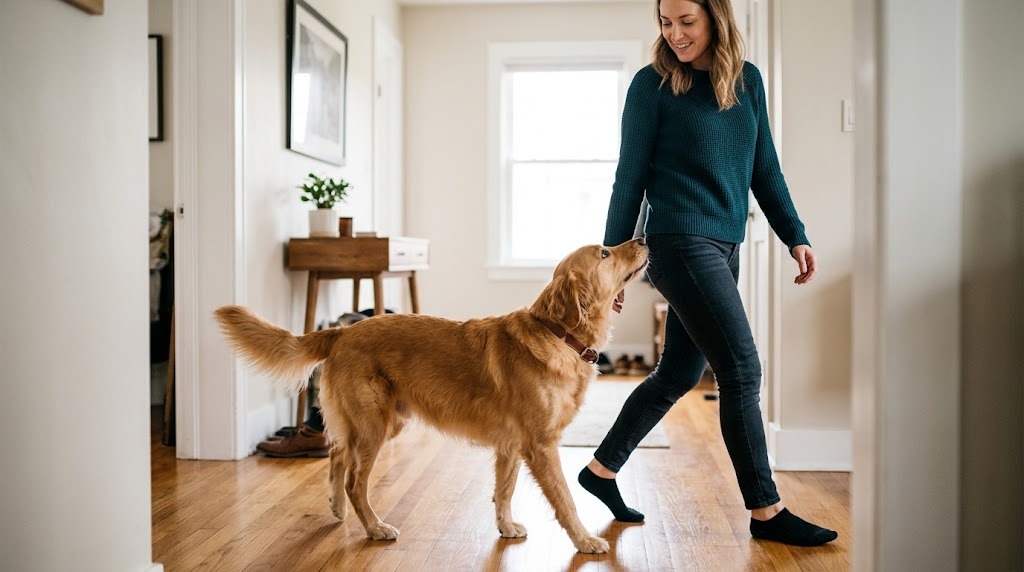
Best Online Dog Training Courses 2026: Brain Training, K9 Training Institute & Top Picks
Honest reviews of the best online dog training courses in 2026 - Brain Training for Dogs, K9 Training Institute, Spirit Dog, Dunbar Academy. What actually works for puppy training and behavior.
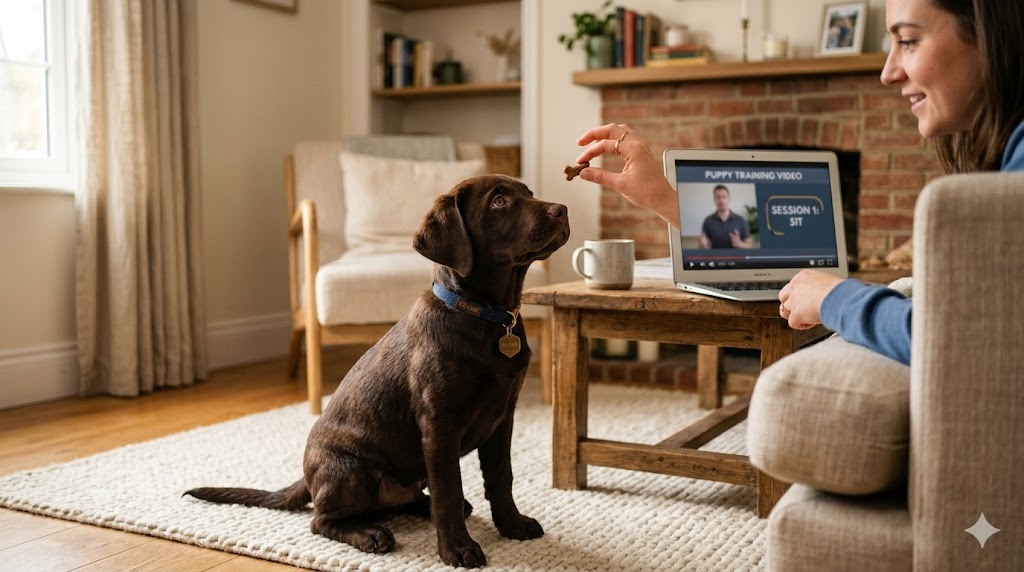
Best Online Dog Training Courses 2026: Brain Training, K9 Training Institute & Top Picks
The best online dog training courses pair structured, multi-month programs with real support: Dunbar Academy and Spirit Dog for science-based reward training, Brain Training for Dogs for enrichment and problem-solving games, and the K9 Training Institute for a free intro on focus and obedience. For rural owners, tight budgets, and self-paced learners, online beats the average in-person class.
Online dog training courses have transformed from PDF-and-video products to comprehensive multi-month programs with structured progression, video demonstrations, troubleshooting libraries, and in some cases, certified trainer support via chat or video calls. For many owners - those in rural areas without local trainers, those on tight budgets, or those preferring self-paced learning - online courses provide better training than the average in-person class.
This guide covers what the courses actually teach, which ones produce real behavior change versus just selling content, the honest comparison between programs, and which course fits which dog and owner. The market includes hype and outright scams; this guide focuses on the courses with proven methodology and substantial user-reported outcomes.
Online vs in-person tradeoff: Online courses excel at building structured foundations and providing reference material owners can revisit. In-person classes provide socialization and live feedback on body language and timing. For most dogs, a combination works best - online course for the foundation, occasional in-person class for socialization and refinement.
At a Glance: Top Picks
| Rank | Course | Format | Price | Best For |
|---|---|---|---|---|
| 🥇 #1 | Brain Training for Dogs (Adrienne Farricelli) | Self-paced videos | $47 one-time | Mental stimulation, foundation |
| 🥈 #2 | K9 Training Institute (Eric Letendre) | Comprehensive curriculum | $97 | Complete obedience + behavior |
| 🥉 #3 | SpiritDog Training (Steffi Trott) | Topic-specific courses | $30-197 | Targeted skill training |
| #4 | Dunbar Academy (Dr. Ian Dunbar) | Multiple courses | Free-$197 | Science-based, foundation in puppy training |
| #5 | Petco Pup Pass / Online Classes | Live group classes | $129/year | Live trainer interaction, basics |
| #6 | Doggy Dan’s Online Trainer | Membership site | $37/month | Behavior issues, multi-dog homes |
| #7 | Susan Garrett’s Recallers | Recall-focused | $497 (annual) | Premium recall training |
🥇 #1: Brain Training for Dogs (Adrienne Farricelli)
Brain Training for Dogs is the strongest entry-level program. The premise - that mental stimulation reduces behavior problems while teaching essential skills - is well-supported by behavioral science. The 21 games progress in difficulty, building confidence and problem-solving from basic to advanced.
The methodology is force-free positive reinforcement throughout. No correction-based training, no e-collars, no punishment. Dogs learn through engagement and reward, which produces lasting behavior change without the side effects of correction-based methods.
Real-world outcomes: Owners consistently report improved focus, reduced destructive behavior, better obedience, and stronger human-dog bond after 4-6 weeks of consistent practice. Most issues that drove owners to seek training (jumping, pulling, ignoring commands) improve substantially.
The drawback: The marketing approach (the sales page is the classic ClickBank-style) can feel sketchy. The actual content is genuinely good - but the presentation puts off some prospective buyers.
Best for: First-time dog owners, puppies and young dogs, dogs with destructive boredom behaviors, owners wanting force-free methods.
🥈 #2: K9 Training Institute (Eric Letendre)
K9 Training Institute is more comprehensive than Brain Training for Dogs - covering basic obedience, advanced obedience, specific behavior problems (jumping, pulling, barking, aggression management), and real-world training scenarios. For owners committed to working through a complete program, this is the most thorough option in the category.
The methodology blends positive reinforcement with some traditional balanced approaches. For owners aligned with that approach, it’s a strength. For force-free-only owners, Brain Training for Dogs is better aligned philosophically.
Best for: Owners wanting comprehensive curriculum, multi-dog households, dogs with specific behavior issues beyond basic obedience.
🥉 #3: SpiritDog Training (Steffi Trott)
SpiritDog is the right pick when you know specifically what you need to train. Each course focuses on one topic - leash reactivity, recall, loose-leash walking, separation anxiety, place training, etc. - and delivers thorough, science-based methodology for that specific skill.
The à la carte structure means you can spend $30-50 per skill versus committing to a $97+ comprehensive program. For owners with a single specific issue (the dog pulls on leash, the dog ignores recall), SpiritDog is more focused and often produces faster results.
Best for: Owners with specific training goals, force-free training preference, owners who’ve completed foundation training elsewhere.
#4: Dunbar Academy (Dr. Ian Dunbar)
Dr. Ian Dunbar is one of the founders of modern positive-reinforcement dog training. His courses are research-based, methodologically rigorous, and often available free or at low cost. Excellent puppy training content particularly.
Best for: Owners interested in dog training theory, puppy socialization (Dunbar’s specialty), force-free methodology, budget-conscious learners (much content is free).
#5: Petco Pup Pass / Online Group Classes
Live group classes via video call. Real-time trainer feedback, group accountability, structured curriculum. Multiple class options (puppy, basic, advanced, manners, agility introduction).
Best for: Owners who learn best with live interaction, accountability through group classes, basic puppy training with peer support.
#6: Doggy Dan’s Online Trainer
A membership-based site with extensive video library covering virtually every dog behavior issue. Continuously updated content. Strong on behavioral issues - separation anxiety, aggression, reactivity.
Best for: Owners with complex behavior issues, multi-dog households needing reference material, owners preferring subscription model over one-time purchase.
#7: Susan Garrett’s Recallers
A premium specialized program focused entirely on recall - getting your dog to come reliably even with high distractions. Used by competitive agility trainers and serious sporting dog owners.
Best for: Sporting and working dogs, dogs with severe recall issues, owners committed to expert-level training, dogs intended for off-leash freedom.
What Online Courses Can and Can’t Do
What works well online
- Foundation obedience: Sit, down, stay, come, leave it, drop it
- Basic manners: No jumping, no counter surfing, polite door behavior
- Behavior modification protocols: Crate training, separation anxiety, alone-time tolerance
- Mental stimulation: Trick training, food puzzles, focus games
- Owner education: Understanding dog body language, learning theory, behavior principles
- Reference material: Revisit specific techniques as needed
What’s harder online
- Reading subtle body language: A trainer in person catches things you’ll miss on camera
- Aggression cases: Need real-time supervision for safety
- Severe reactivity: Live trainer feedback significantly speeds progress
- Socialization: Requires real-world experiences with other dogs and people
- Off-leash advanced work: Requires real-world environments and feedback
When to add in-person
- Foundation training is established but behavior issues persist
- Aggressive or severely reactive dogs
- Working dog training (agility, IPO, search and rescue)
- Dogs preparing for therapy or service work
- After 8-12 weeks of online training with limited progress
How to Choose Your Course
Step 1: Identify your primary goal
- New puppy needing foundation → Brain Training for Dogs or Dunbar Academy
- Specific behavior issue → SpiritDog or K9 Training Institute
- Multi-dog household → Doggy Dan or K9 Training Institute
- Recall training specifically → Susan Garrett’s Recallers
- Group accountability → Petco Online Classes
Step 2: Match methodology to your values
- Force-free only: Brain Training for Dogs, SpiritDog, Dunbar
- Balanced/mixed methods: K9 Training Institute, Doggy Dan
- Performance/sport focus: Susan Garrett’s Recallers, Karen Pryor Academy
Step 3: Budget
- Under $50: Brain Training for Dogs, single SpiritDog course
- $50-200: K9 Training Institute, multiple SpiritDog courses
- $200+: Premium programs (Susan Garrett, professional certifications)
- Free/low cost: YouTube channels (Zak George, Kikopup), Dunbar’s free content
Step 4: Trial first
Most courses offer money-back guarantees within 30-60 days. Genuinely try the methodology with consistent application before deciding it doesn’t work. Real change usually takes 4-6 weeks minimum.
Realistic Outcomes by Course Length
1 week
- Establishing basic name recognition
- Beginning leash habituation
- Crate introduction
2-4 weeks
- Reliable sit, down, stay in low-distraction environments
- Beginning loose-leash walking
- Reduced jumping on people
- Improved focus indoors
1-2 months
- Sit, down, stay in moderate distraction
- Recall in fenced areas
- Reduced barking at common triggers
- Better impulse control
3-6 months
- Most basic training generalized to real environments
- Solid response to commands in distractions
- Manageable leash walking
- Greatly reduced behavior problems
6-12 months
- Off-leash reliability in many settings
- Excellent door manners
- Refined skills (place training, advanced trick work)
- Solid foundation for ongoing development
The dog continues developing skills throughout their first 2-3 years. Adolescent regressions (age 8-18 months) are normal - many trained behaviors weaken before reconsolidating.
Free Alternatives Worth Considering
Many free YouTube channels provide quality training content rivaling paid programs.
Zak George
Probably the most popular free dog training resource. Force-free methodology, comprehensive coverage, modern production. Excellent for puppy training foundation.
Kikopup (Emily Larlham)
Force-free trainer with extensive free video library. Strong on detailed technique demonstrations. Excellent for owners wanting to learn specific skills.
McCann Dogs
Comprehensive training channel with strong content for retrievers and family dogs. Mixed methodology.
Stonnie Dennis
Family dog training with strong real-world application. Free YouTube content plus paid programs.
Pros of free content
- No cost
- Massive volume of content
- Multiple methodologies to compare
- Easy access
Cons of free content
- Less structured progression
- Can be overwhelming volume
- Harder to find specific techniques
- No accountability or community
Honest recommendation: Most owners can get genuine training success from free YouTube content alone. Paid courses provide structure, accountability, and curation. The premium pricing of $97+ courses isn’t always justified versus free alternatives.
Frequently Asked Questions
Are online dog training courses worth it?
For owners willing to apply the methodology consistently, yes. Online courses cost $30-500 versus $1,000+ for comprehensive in-person training. Results are comparable for most owners and most dogs.
Can I train my puppy entirely online?
Foundation training yes. Socialization needs real-world exposure (other dogs, environments, people, situations). Combine online for technique with real-world for socialization.
How long should I expect to spend training?
10-15 minutes per training session, 2-3 sessions daily during active training. Total time commitment: 30-60 minutes daily during training phase. Maintenance: 5-15 minutes daily once skills are established.
What if my dog isn’t responding?
After 2-3 weeks of consistent application without improvement, the methodology may not match your dog or there’s a missed step. Check the course’s troubleshooting section. Consider an in-person trainer evaluation. Some dogs need different approaches than others.
Can these courses handle aggression?
Mild reactivity, yes. Severe aggression (biting humans or other dogs), no - get an in-person professional with aggression certification. Online programs aren’t designed for severe behavior issues with safety implications.
Is Brain Training for Dogs a scam?
No, despite the marketing style. The methodology is genuinely good, the trainer is legitimate (CPDT-KA certified), and the content delivers what it promises. The sales page is the worst part of the product.
How do online courses compare to a private trainer?
A private trainer ($75-200/hour) provides personalized assessment and real-time feedback. Online courses ($30-500 one-time) provide methodology and reference material. Private training is more efficient per dollar at producing results; online courses are dramatically cheaper.
Should I take multiple online courses?
Some overlap exists. After completing one comprehensive program, additional courses help with specific topics not covered in your first. Avoid buying multiple programs simultaneously - finish one before starting another.
Are online courses better than dog training books?
Same content delivered differently. Books work for owners who learn through reading; courses work better for visual learners. Many trainers offer both formats - pick the one that matches your learning style.
Can older dogs learn from online courses?
Yes. The “you can’t teach an old dog new tricks” saying is wrong. Older dogs may take slightly longer for some skills but absolutely can learn. Adapt sessions to shorter durations and the dog’s energy level.
Our Final Recommendation
For most new dog owners, Brain Training for Dogs is the right starting point - comprehensive foundation training, force-free methodology, one-time $47 cost, money-back guarantee. The marketing is awkward but the content is genuine.
For owners wanting comprehensive curriculum covering both obedience and behavior modification, K9 Training Institute is the more complete option at $97.
For owners with specific training needs (recall, reactivity, leash walking), SpiritDog Training offers focused topic-specific courses at fair prices.
For absolutely free quality content, Zak George’s YouTube channel and Dr. Ian Dunbar’s free courses provide foundation training rivaling paid programs.
The actual differentiator isn’t which course you buy - it’s whether you consistently apply the methodology for 6-12 weeks. Most online courses contain good information. The dogs that change are owned by owners who do the work daily. Pick the format that matches your learning style and commit to consistent practice.
Related Reading
- Best E-Collar / Shock Collar (Honest Guide)
- Best Wireless Dog Fence
- How to Stop Dog Barking: Training and Products
- Dog Anxiety: 7 Natural Remedies
- Best Puppy Training Pads
Last updated: June 2026.