Dog Grooming at Home 2026
Complete dog grooming at home guide - clipper picks, brush types by coat, the dryer mistake most owners make, and how to actually do this without ruining your dog's coat.
Home dog grooming used to mean a cheap brush, a bottle of human shampoo, and a hopeful attitude. The reality is more nuanced - and far cheaper than people think compared to professional grooming. A reasonable home setup costs $300-600 and pays for itself after roughly 6-12 visits to a groomer. For double-coated breeds, the home dryer alone changes the game from “spend the entire weekend battling fur” to “30 minutes and you’re done.”
This guide is about the tools that actually matter, the ones that look essential but aren’t, and the technique that separates a good home grooming setup from one that ends with a mat-covered dog and frustrated owner. It’s specific about brands where brand matters, and honest about the things you should pay a professional for instead.
What You Can - and Can’t - Do at Home
Things home grooming handles well
- Bathing
- Brushing and deshedding
- Nail trimming (with training)
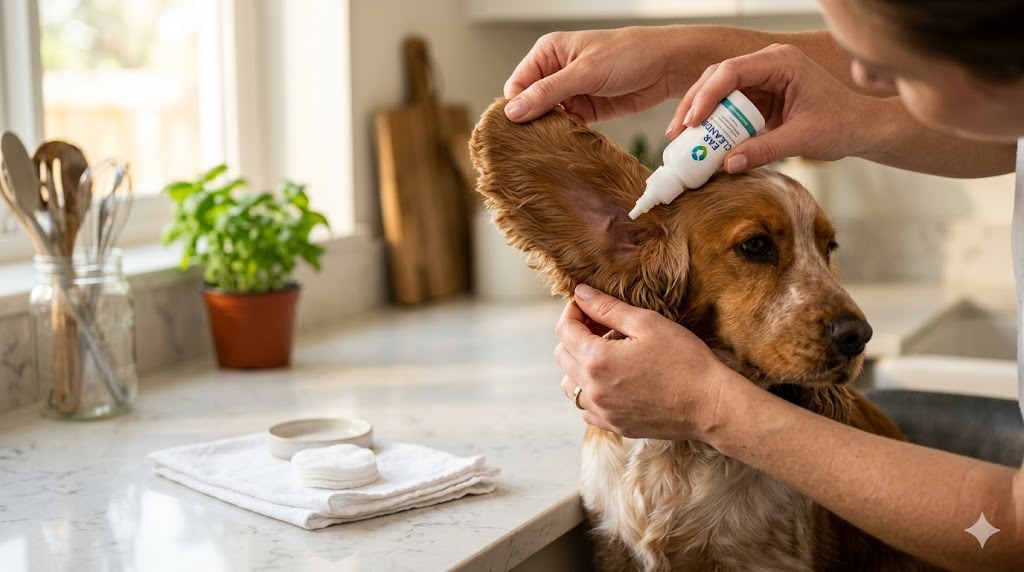
- Ear cleaning
- Sanitary trims
- Paw pad trims
- Simple haircuts on short-coat breeds
Things to leave to professionals (most of the time)
- Show-quality haircuts on poodles, doodles, schnauzers, terriers
- Hand-stripping on wire-coated breeds
- Anal gland expression (vet care is safer)
- Severely matted coats (often need full shave-down)
- Anxious dogs who require sedation for safety
The honest assessment: a well-equipped owner can handle 80% of grooming for most breeds. The remaining 20% - and certain breeds entirely - benefits from professional skill.
The Bath: Where Everything Starts
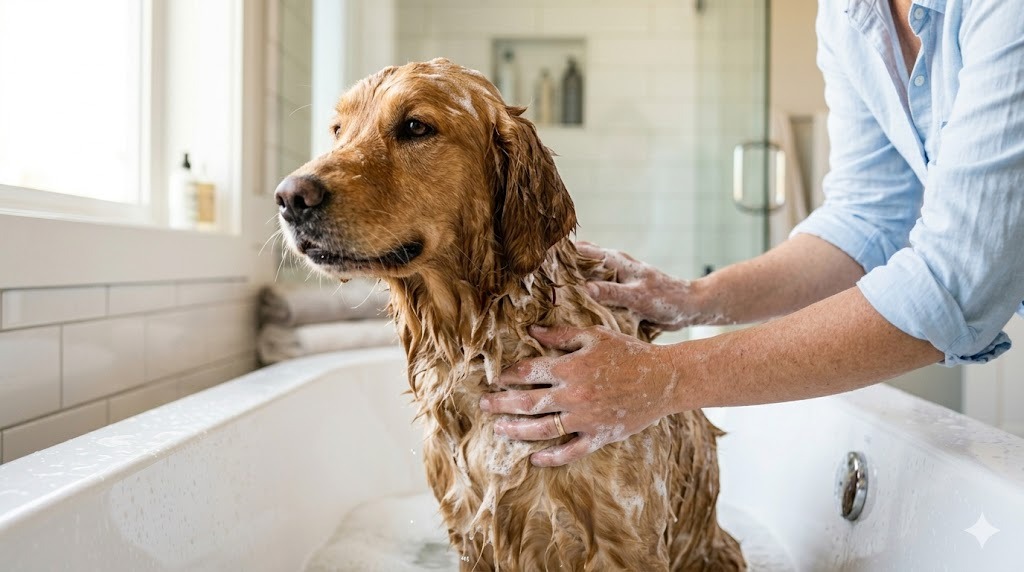
A good bath is 80% of a good groom. Skipping or doing a poor job here ruins everything that follows.
Step 1: Brush first
Always brush your dog before bathing. Water locks loose hair into tangles, turning manageable shedding into hard mats. For double-coated breeds, run a deshedding tool through the coat first.
Step 2: Use dog-specific shampoo
Human shampoo (including baby shampoo) is the wrong pH for dog skin and causes dryness over time. Dog shampoos are formulated for the slightly more alkaline pH of canine skin.
Step 3: Rinse twice
The biggest home-grooming mistake is under-rinsing. Shampoo residue causes skin irritation and dull coats. Rinse until water runs completely clear, then rinse again.
Step 4: Use a force dryer, not a towel-and-hope
The single biggest upgrade in home grooming is a high-velocity dryer. We’ll cover this in detail below.
The Brush Question: One Size Doesn’t Fit All
Different coats need different brushes. Owners often buy the wrong brush, then conclude their dog “hates brushing.” The dog hates the wrong tool - get the right one and most dogs tolerate or enjoy grooming.
For short single coats (Beagles, Labs at certain seasons, Boxers)
Rubber curry brush removes loose hair, dirt, and dander. Cheap and effective.
For double coats (Huskies, Goldens, Shepherds, Pomeranians)
Undercoat rake for the dense undercoat, slicker brush for the topcoat.
For long silky coats (Yorkies, Maltese, Shih Tzus)
Pin brush for daily detangling, fine slicker for face and paws.
For curly/wool coats (Poodles, Doodles, Bichons)
Slicker brush combined with metal comb to find mats before they’re felt by hand. These coats mat invisibly until brushed correctly.
For wire coats (Terriers, Schnauzers)
Stripping knife for hand-stripping (advanced), or accept that clipper-cut wire coats lose color and texture over time.
Nail Trimming: The Most Avoided Task
Nails grow constantly. Untrimmed, they push back into the toe joints and cause arthritis-like pain in older dogs. Most owners avoid this task because they’re afraid of cutting the quick (the blood vessel inside the nail).
Two main tool options
Scissor-style clippers - fast, requires good technique to avoid quick, ideal for small to medium nails.
Grinder - gentler approach, files nails down rather than cutting, easier to avoid quick.
Avoiding the quick
- White or clear nails: the quick is the pink line inside; cut a few millimeters short of it
- Dark nails: cut in small slivers, examining the cut surface after each - when you see a small dark circle in the center of the cut surface, stop
- If you hit the quick: apply styptic powder, hold pressure for 30-60 seconds
Training nail comfort
- Start with handling alone (no tools) - touch paws, manipulate toes, treat
- Add the tool turned off - touch nails with quiet grinder or clippers, treat
- Trim one nail per session at first, increasing over weeks
- Never end on a bad note
Clippers: When and How
For shorter-coated breeds, occasional sanitary trims and paw pad cleanups are all most homes need. For poodle-type and doodle-type breeds, more involved clipping is required.
What to look for
- Speed: at least 5,000 strokes per minute for efficient cutting
- Quiet operation: loud clippers spook many dogs
- Sharp blades: dull blades pull hair and burn the skin
- Cordless preferred: easier to maneuver, less stressful
Clipper technique basics
- Always clip a clean, dry coat (clippers clog on dirty or wet fur)
- Go with the grain of hair growth, not against
- Use guard combs for length (#1 = shortest, #10 = longest, on Wahl numbering)
- Pause often - clipper blades heat up and can burn skin if used continuously
The High-Velocity Dryer: Why It Changes Everything
A high-velocity dryer is a force-air dryer (not heated) that blasts water and loose undercoat out of the coat. For owners of double-coated dogs, this single tool transforms grooming.
What it does
- Dries coat 5-10x faster than a towel-and-air-dry approach
- Removes loose undercoat as it dries (replaces much of brushing work)
- Reveals matting and skin issues hidden under wet fur
- Prevents the “wet dog smell” that comes from hair drying slowly
What to look for
- Variable speed - too much air on small dogs is overwhelming
- Insulated motor - prevents burns on the chassis
- Multiple attachments - slim nozzle for face, wide nozzle for body
- Adequate cord length - at least 8 feet
Loud is unavoidable; counter with peanut butter on a lick mat to keep the dog occupied during the first few sessions. Most dogs acclimate quickly.
Setting Up Your Grooming Space
You don’t need a salon, but you do need consistency.
Bath area
- Bathtub or walk-in shower
- Non-slip mat (essential - wet dogs panic on slippery surfaces)
- Detachable shower head with on-off button (saves water and stress)
- Hooks for shampoo and conditioner bottles
Drying and brushing area
- Elevated surface (grooming table or sturdy cratetop) so you’re not bending over
- Non-slip rubber mat
- Towels for first soak-up before dryer
- High-velocity dryer plugged in nearby
Nail and ear care
- Same elevated surface
- Good lighting (overhead lamp helps)
- Treats within reach
Cleanup
- Hair-catching drain cover in tub
- Vacuum nearby (especially for double-coated breeds)
- Wet towels in a closed bin until laundry
Bath Frequency
Over-bathing strips natural oils and dries skin. Under-bathing leads to odor and skin issues. Reasonable defaults:
- Most breeds: every 4-6 weeks
- Oily-coated breeds (Cockers, Spaniels): every 2-3 weeks
- Heavy double-coats: monthly in shedding season, every 6-8 weeks otherwise
- Wire coats: every 6-8 weeks
- Dogs with skin conditions: as directed by vet (sometimes weekly)
What to Skip
Cologne and “between bath” sprays
Most are perfumed alcohols that irritate skin and mask rather than clean.
Heated dryers (human hair dryers)
Heat damages dog coats and skin. Use force air, not heat.
”All breed” universal clipper kits with 20 attachments
Most of the attachments will gather dust. Buy quality clippers with the 3-4 guards you’ll actually use.
Anal gland expression at home
Risk of infection or rupture is real. Let a vet or experienced groomer handle this.
Frequently Asked Questions
How often should I bathe my dog?
For most breeds, every 4-6 weeks. Oily breeds (Cocker Spaniels, Basset Hounds) benefit from more frequent baths. Drier-skinned breeds (Greyhounds, Shibas) can go longer.
Can I use human shampoo on my dog?
Not regularly. Human shampoo has different pH and can irritate or dry out dog skin over time. Use dog-specific shampoo.
Is grooming at home cheaper than a groomer?
Yes, after equipment investment pays off. Professional grooming costs $50-150 per visit; a $400 home setup pays off after 6-8 visits’ worth of grooming.
Can I cut my dog’s hair at home?
For short-coated breeds, simple sanitary trims and paw pad cleanups are easy. For poodle-type and doodle haircuts, expect a learning curve of 6-12 grooms before results look acceptable.
What if my dog hates grooming?
Build tolerance gradually. Pair every tool with treats. Start with 30-second sessions and build to longer. If anxiety is severe, professional grooming or veterinary behaviorist help is reasonable.
How do I deshed my husky / Golden / Shepherd?
The combination of high-velocity dryer plus undercoat rake plus regular brushing is dramatically more effective than any single tool. Furminator-type tools work but shouldn’t be used more than once a week to avoid topcoat damage.
When should a doodle’s first haircut be?
Most doodle puppies go for first cut around 4-6 months. Their coats change dramatically during the transition from puppy fur to adult coat - a professional groomer can help navigate the transition.
Final Word
Home grooming pays off after the first 6-12 visits’ worth of avoided professional grooming costs. The setup that matters most is bath area, force dryer, breed-appropriate brushes, and (for clipped breeds) a quality cordless clipper. Skip the cologne and the universal “all in one” kits.
For most breeds, you can do almost everything at home. For show-cut or fashion-cut breeds (poodles, doodles, schnauzers), splitting work between home maintenance and occasional professional sessions usually gives the best results.
Related Reading
Last updated: May 2026.