Siberian Husky
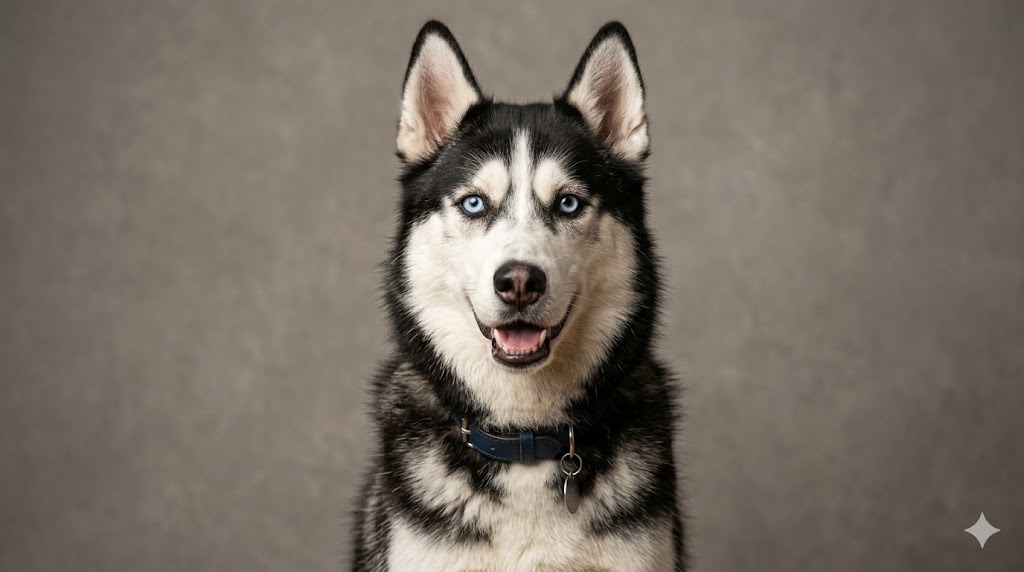
The Siberian Husky is a medium-sized Arctic sled dog with the wolf-like beauty, ice-blue eyes, and explosive energy that have made it one of the most photographed - and most frequently surrendered - breeds in the world.
🗓️ Last reviewed: June 2026
Overview
The Siberian Husky is a medium-sized Arctic sled dog with the wolf-like beauty, ice-blue eyes, and explosive energy that have made it one of the most photographed - and most frequently surrendered - breeds in the world. Behind the cinematic looks is a working dog bred to pull a heavy sled for hundreds of kilometres in subzero temperatures, and the modern Husky retains every gram of that drive. Owners who treat the breed like a regular pet are routinely overwhelmed; those who provide real work are rewarded with one of the most extraordinary dogs in the canine world.
History & Origins
The breed was developed over thousands of years by the Chukchi people of northeastern Siberia. The Chukchi needed a dog that could pull light loads at moderate speed over enormous distances, survive on minimal food, and live in close proximity to family inside dwellings. The result was a dog of remarkable endurance, efficient metabolism, and friendly temperament toward humans (essential for sled dogs that work in teams and live with people).
The first Siberian Huskies arrived in Alaska in 1908 as racing sled dogs. Their small size and speed surprised everyone. The breed achieved international fame in 1925 during the Nome Serum Run - a relay of sled-dog teams that delivered diphtheria antitoxin across 1,085 km of frozen Alaska in just 5½ days, saving the town of Nome from epidemic. The lead dogs of the final leg, Balto and Togo, became American celebrities. The AKC recognised the breed in 1930.
Appearance
Medium-sized, athletic, wolf-like. Males stand 53-60 cm (21-23½ in) and weigh 20-27 kg (45-60 lb); females are smaller. The build is lean and balanced - never heavy. A working sled dog.
Key features:
- Coat: dense, medium-length double coat. Thick soft undercoat with a straight outer coat. Built for extreme cold.
- Colour: all colours allowed - black, grey, red, sable, agouti, white, with various face masks and markings. The bib, legs, and underside are usually white.
- Eyes: brown, blue, or one of each (heterochromia), or "parti-eyes" (two colours within one eye). Blue eyes alone are not a defect; they reflect the breed's specific Arctic genetics.
- Tail: plumed, carried over the back in a sickle curve.
- Ears: medium-sized, erect, set high.
Temperament & Character
Friendly, outgoing, and sociable. Huskies are notoriously bad guard dogs - most would greet a burglar happily. They are friendly with strangers, generally good with other dogs (especially raised with them), and tolerant of children. They are not typically one-person dogs; bonds are spread across the family.
The breed has high prey drive. Cats, rabbits, chickens, and small dogs are at risk. Even Huskies raised with a household cat may not be reliable around outdoor or unfamiliar small animals.
Independence is the breed's defining cognitive trait. Sled dogs were bred to think for themselves on the trail, and modern Huskies remain self-directed. They are intelligent but selectively cooperative. Recall is famously unreliable - a Husky off-leash in open country may keep running for miles. Most Husky owners use long lines and never trust off-leash freedom in unfenced areas.
Care
Coat & Grooming
The double coat is enormous and sheds. Brushing 2-3 times weekly with a slicker and undercoat rake; daily during the twice-yearly "coat blow" when the undercoat comes out in sheets.
Bathe every 6-8 weeks. The coat is largely self-cleaning. Never shave a Husky - the coat regulates temperature in both cold and heat, and shaving disrupts thermoregulation and damages regrowth.
Clean ears weekly, trim nails every 3 weeks, brush teeth several times weekly.
Exercise & Activity Needs
Among the highest exercise needs of any popular breed. Adults need a minimum of 90-120 minutes of vigorous daily exercise - running, hiking, pulling, or sled/scooter work. Walking alone is not enough.
The breed is built for endurance. Many Huskies enjoy bikejoring, skijoring, canicross, dog scootering, and sledding. Backyard pets without serious activity become destructive on a remarkable scale - chewing furniture, digging craters, scaling fences, and howling.
Heat tolerance is poor. The breed evolved for Arctic cold; in summer, exercise only in early morning and late evening, and provide cool resting areas. Never leave a Husky in a parked car or unshaded yard.
Health & Lifespan
Average lifespan is 12-14 years - long for a medium-large athletic breed.
Common concerns:
- Hip dysplasia - moderate.
- Eye conditions - hereditary cataracts, progressive retinal atrophy, corneal dystrophy. Eye exams essential for breeding.
- Hypothyroidism.
- Zinc-responsive dermatosis - a specific breed dermatological condition.
- Epilepsy.
- Skin allergies.
- Laryngeal paralysis in older dogs.
The breed is generally robust given its working heritage.
Feeding & Nutrition
Surprisingly modest. Working Huskies eat enormous calories, but pet Huskies need significantly less than their size suggests - typically 2-2½ cups of quality food per day. The breed evolved on minimal food and burns calories efficiently. Overfeeding is the most common feeding mistake.
Many Huskies are picky eaters - they will skip meals casually. Establish a calm routine and resist hand-feeding. Working dogs benefit from a high-fat, high-protein performance formula in winter.
Pros & Cons
Pros
- Striking, wolf-like appearance.
- Friendly with people and dogs.
- Athletic - capable of remarkable distances and endurance.
- Long-lived for the size.
- Generally robust health.
Cons
- Enormous exercise needs.
- Heavy double-coat shedding twice yearly.
- Unreliable off-leash; high escape drive.
- Strong prey drive - danger to cats and small animals.
- Vocal - howling, "talking," and dramatic vocalisations.
- Heat-intolerant.
Best Suited For
- Active, outdoor-oriented owners (runners, hikers, cyclists).
- Sled and pulling sport enthusiasts.
- Cold or mild climates.
- Households with secure high fencing.
- Multi-dog homes.
Not suited for sedentary owners, apartment dwellers, hot climates without daily air-conditioning, households with cats or small pets, or anyone unable to provide hours of daily exercise.
Siberian Husky puppy growth chart
A typical growth curve for a large breed like the Siberian Husky, estimated from its adult weight of 20-27 kg. Puppies vary with sex, genetics and diet, so treat this as a guide - for your own puppy, use the puppy weight predictor.
| Age | Typical weight | % of adult |
|---|---|---|
| 2 mo | 4.4-5.9 kg | 22% |
| 3 mo | 6.6-8.9 kg | 33% |
| 4 mo | 8.6-11.6 kg | 43% |
| 6 mo | 12-16.2 kg | 60% |
| 9 mo | 16-21.6 kg | 80% |
| 12 mo | 18.4-24.8 kg | 92% |
| Adult | 20-27 kg | 100% |
Siberian Husky - frequently asked questions
Are Huskies good family dogs?
With active families, yes. They are friendly with children, sociable, and tolerant. They are not low-maintenance pets - they are working athletes that happen to live with families.
Why do Huskies have blue eyes?
A specific genetic variant near the ALX4 gene produces blue eyes in Siberian Huskies. It is independent of merle and unrelated to deafness. Both eyes can be blue, brown, or one of each.
Can Huskies live in hot climates?
With strict precautions - air conditioning, exercise only in cool hours, never outdoors in midday summer. Many do, but it is not ideal.
Why do Huskies howl?
Howling is the breed's primary vocalisation - a legacy of working in teams. Many Husky owners enjoy the "Husky conversations." Neighbours may not.
Are Huskies aggressive?
No - they are among the least aggressive working breeds toward humans. Prey drive toward small animals is high. Dog-dog aggression depends on individual temperament and socialisation.
🧠 Test yourself: guess the dog
Three clues from our quiz bank, each about another of our dogs. Can you name them?
Clue 1.Originating in the canton of Bern, this sturdy, thick-coated working dog is famous for its sweet temperament but sadly has one of the shorter lifespans among breeds.
It's the Bernese Mountain Dog - read the full profile →
Clue 2.Developed along the hilly frontier between two British nations, this tireless sheepdog needs constant mental and physical work or it grows destructive.
It's the Border Collie - read the full profile →
Clue 3.Compact and tireless, this versatile hunter has produced more dual champions, in both show and field, than almost any other sporting breed.
It's the Brittany - read the full profile →
💛 Adoptable Siberian Huskys near you
Real dogs of this breed (and close mixes) waiting in shelters and rescues right now, live from Petfinder. We have no affiliation and earn nothing - if someone catches your eye, the link goes straight to their shelter. New to adopting? Start with our adoption guide.
Widget not loading (some ad-blockers hide it)? Search directly on petfinder.com.