 ⚠️
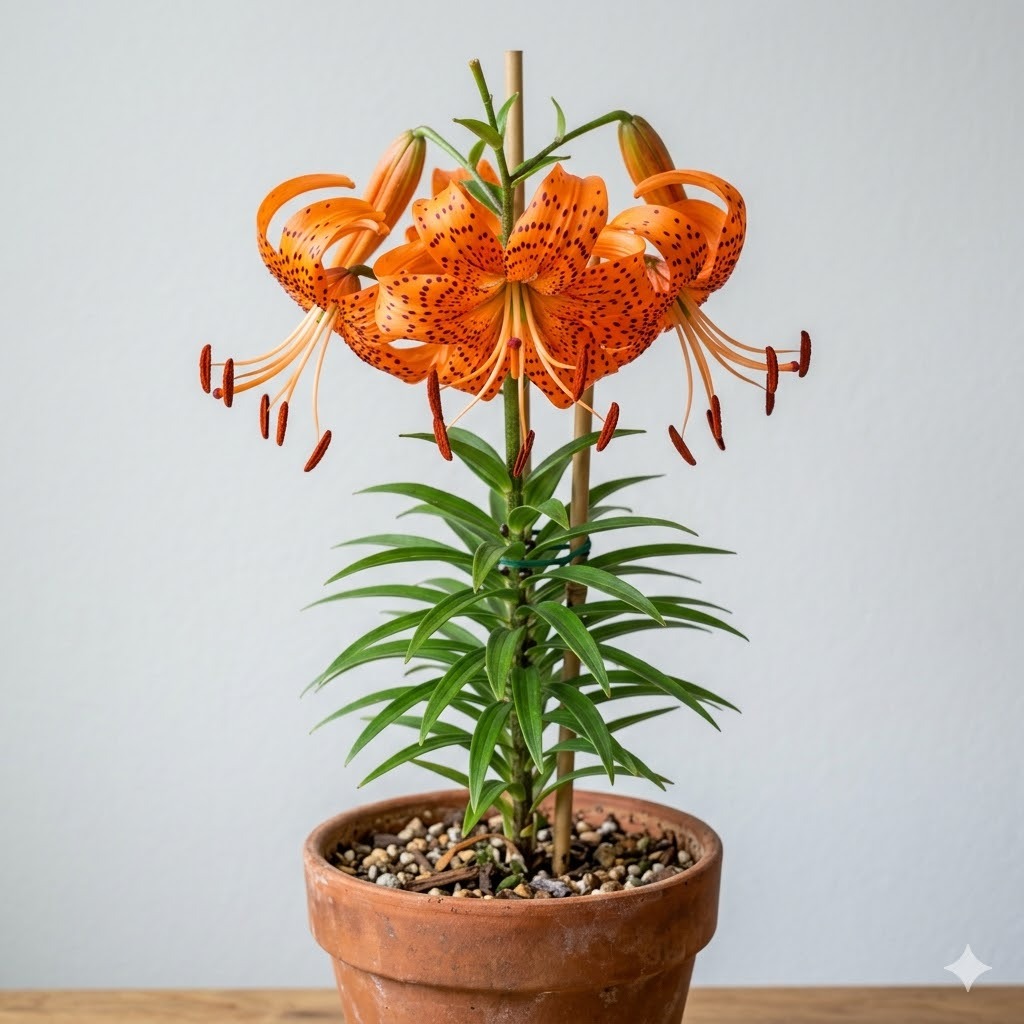
⚠️ Lily (true lilies: Easter, Tiger, Asiatic, Day)
🐱 Toxic 🐶 Toxic severe
Deadly to cats - even pollen or vase water can cause fatal kidney failure. A cat near any true lily is an emergency. Milder stomach upset in dogs.
Search a houseplant to see whether it's toxic or safe for cats and dogs, based on the ASPCA poison-control list, with the signs to watch for. Cats and dogs nibble greenery out of curiosity or boredom, so it pays to know what's on your windowsill - and to keep the risky ones well out of reach.
Don't wait for symptoms. Call your vet or a pet poison helpline right away, and tell them the plant's name (a photo helps). True lilies are an emergency for cats even in tiny amounts. Watch for drooling, vomiting, pawing at the mouth, weakness or breathing trouble - and bring a piece of the plant with you if you go in.
⚠️ Deadly to cats - even pollen or vase water can cause fatal kidney failure. A cat near any true lily is an emergency. Milder stomach upset in dogs.
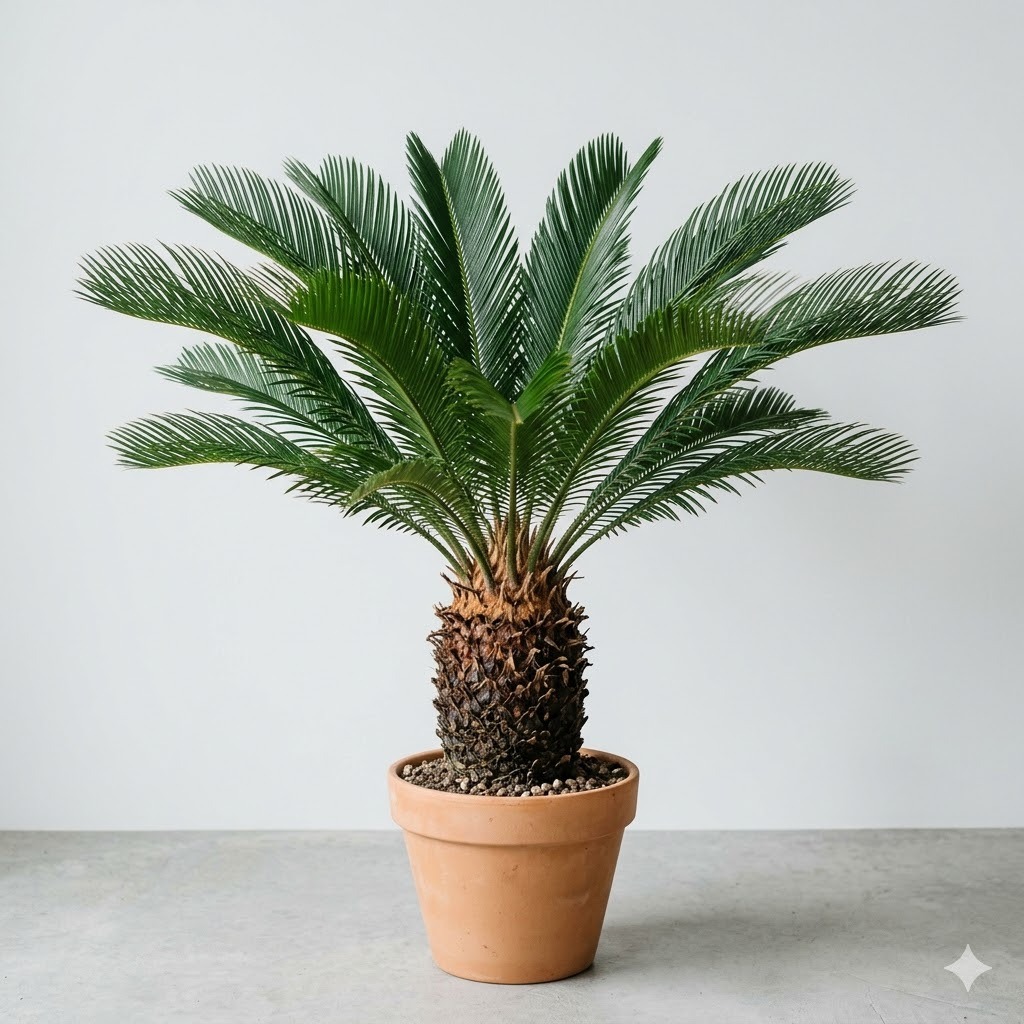 ⚠️
⚠️ All parts, especially seeds, are highly toxic - vomiting, then liver failure. A true emergency for both cats and dogs.
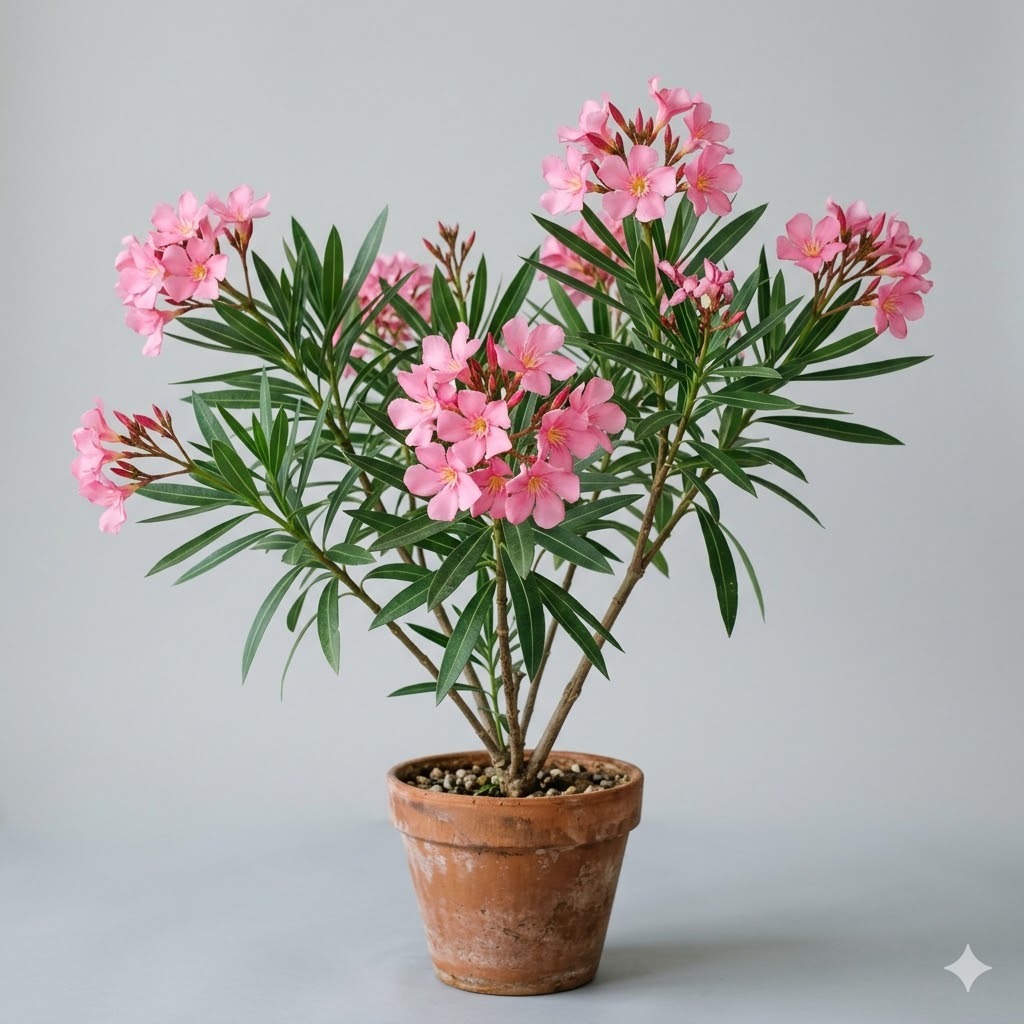 ⚠️
⚠️ Affects the heart - drooling, vomiting, abnormal heart rate. Emergency.
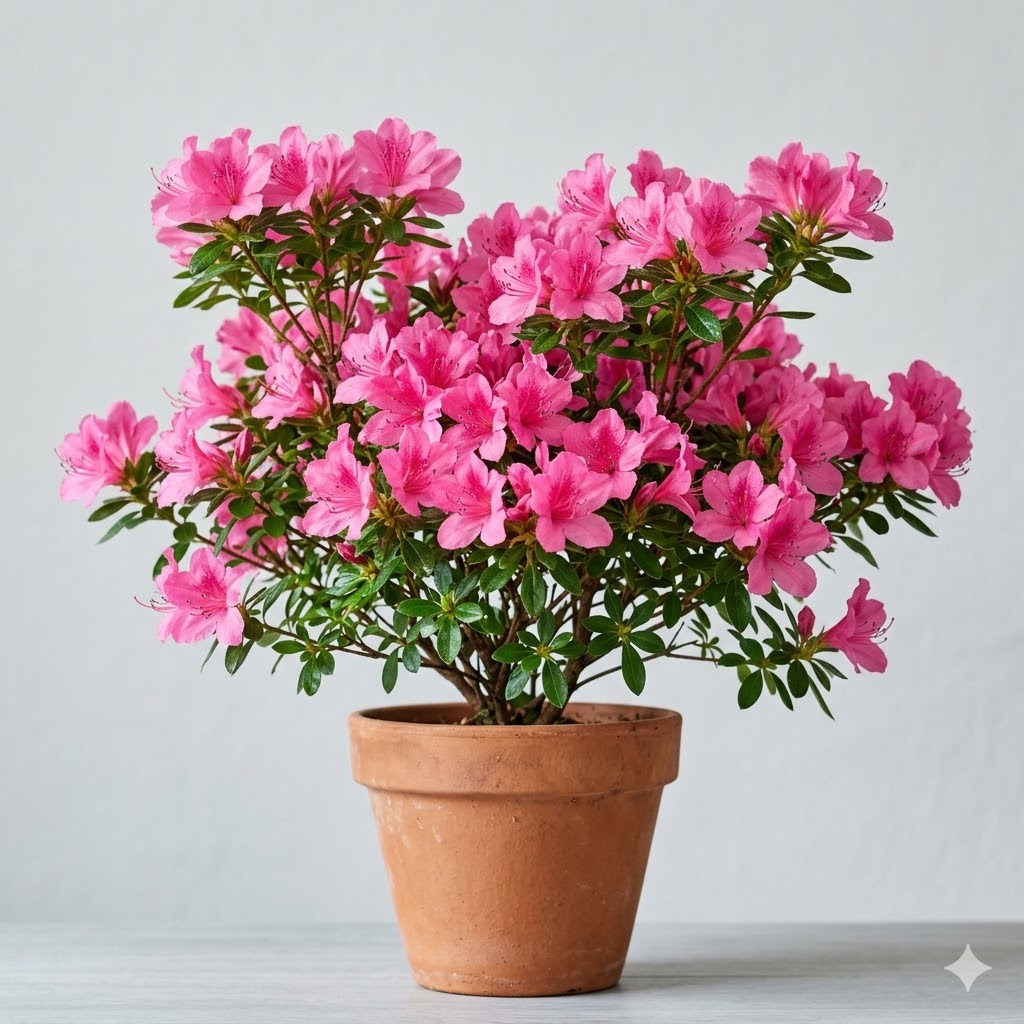 ⚠️
⚠️ Vomiting, drooling, weakness and heart problems even in small amounts. Emergency.
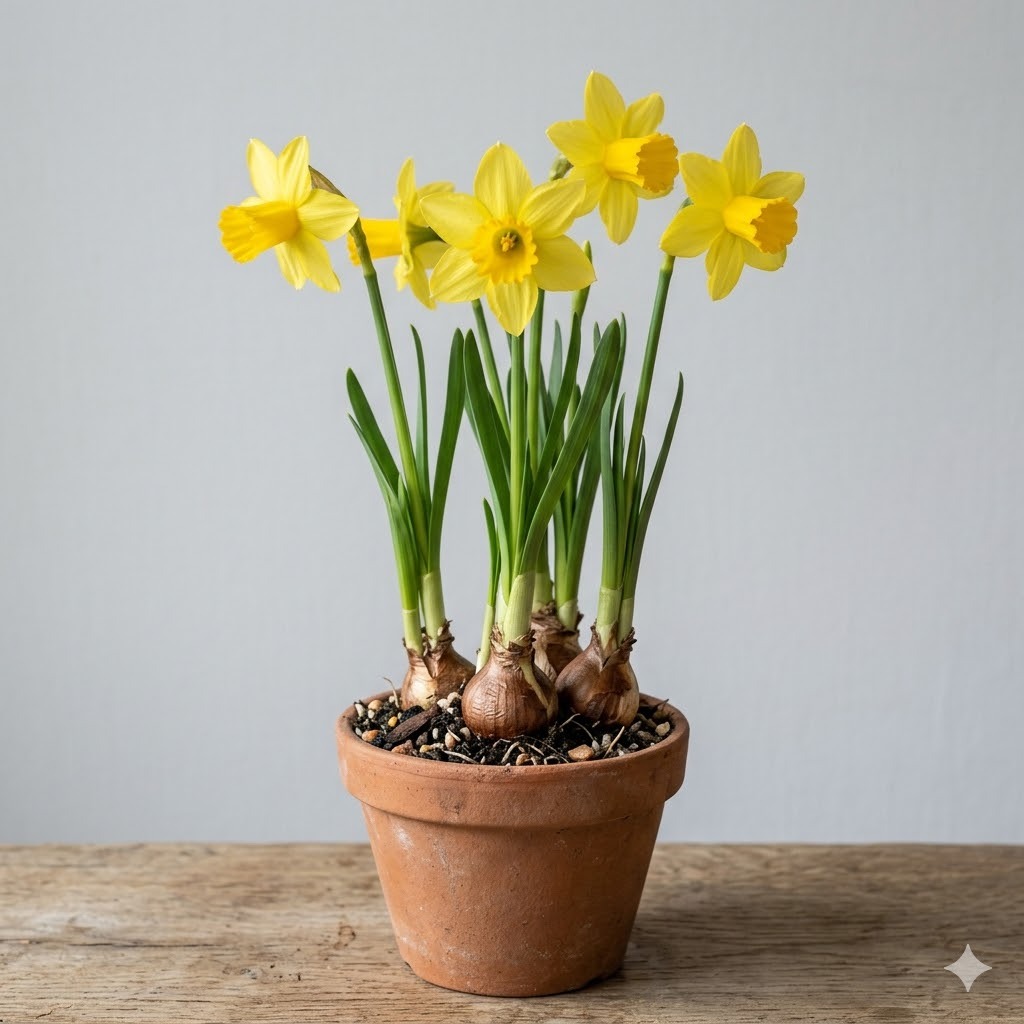 ⚠️
⚠️ Bulbs are the worst part - vomiting, drooling, and at higher doses heart and breathing trouble.
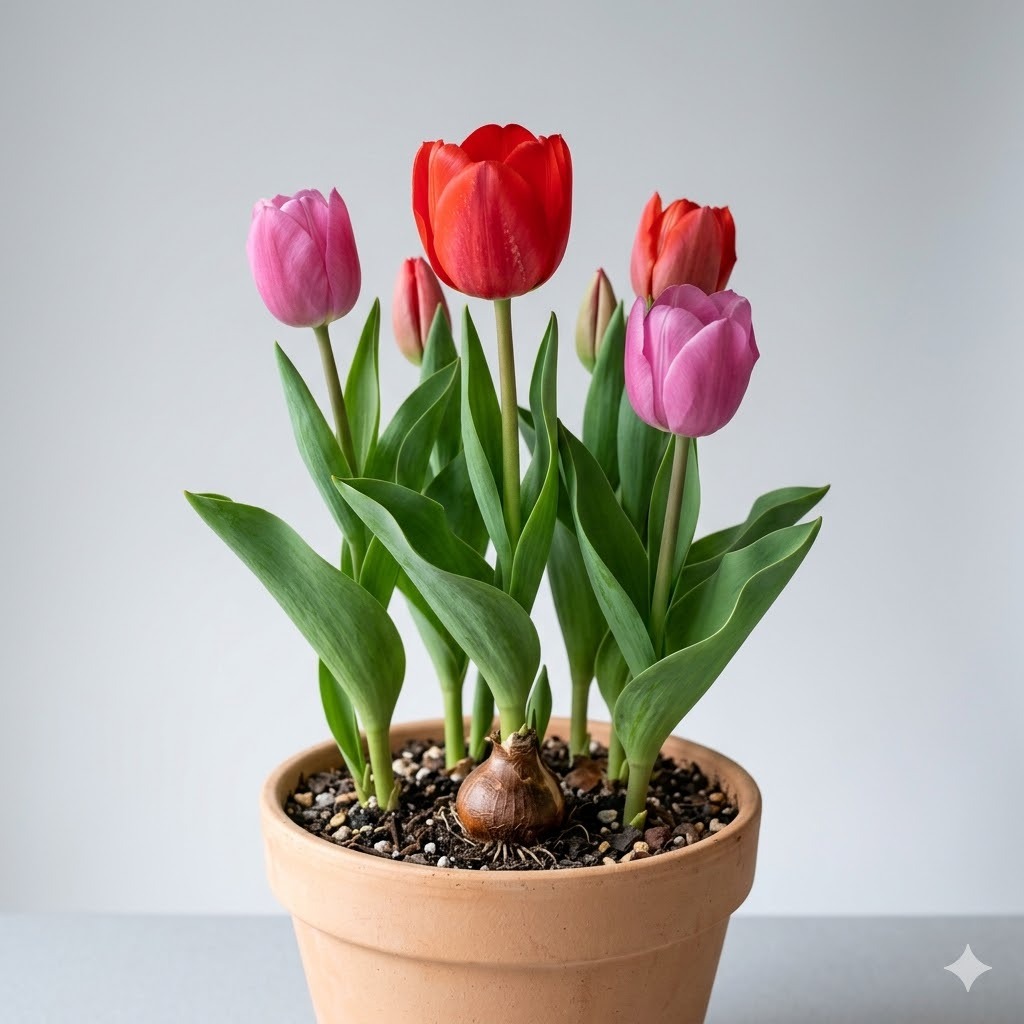 ⚠️
⚠️ Concentrated in the bulb - mouth irritation, drooling, vomiting.
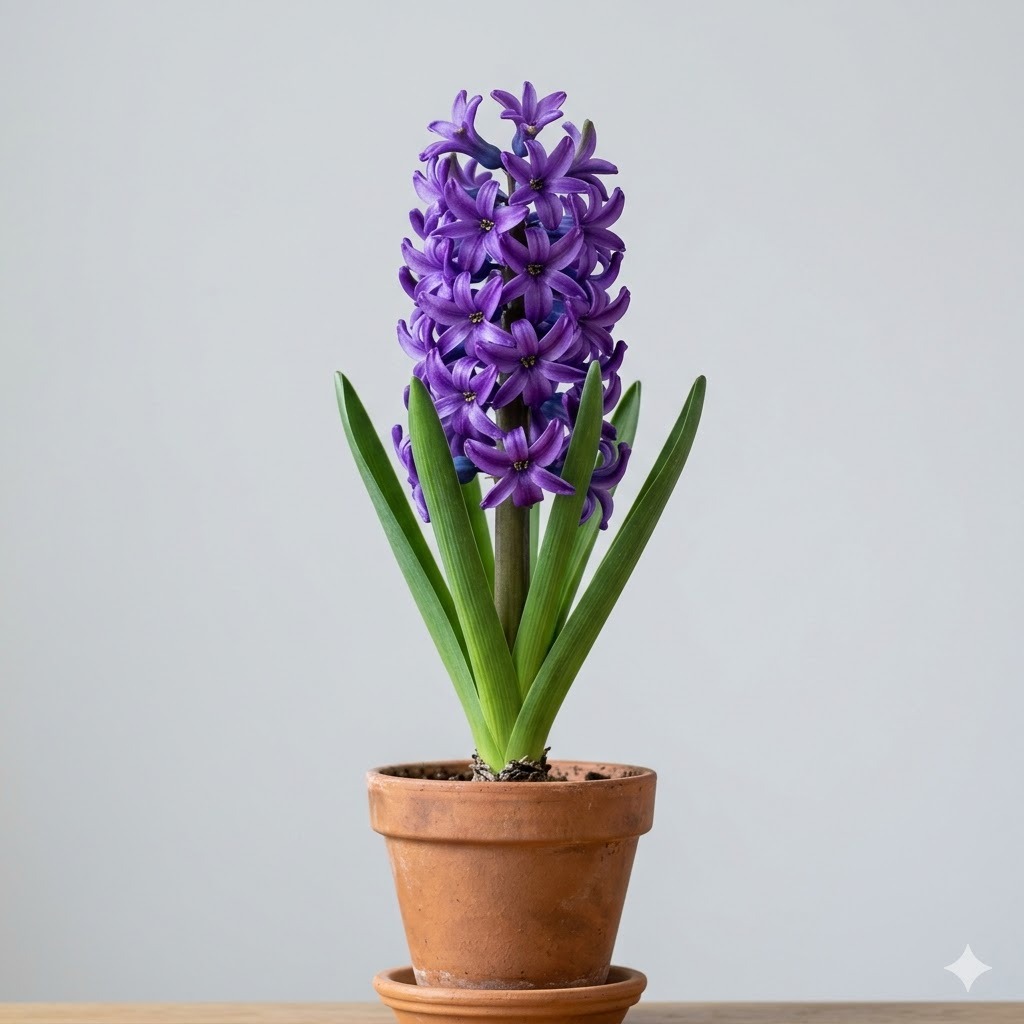 ⚠️
⚠️ Bulbs cause intense drooling, vomiting and sometimes diarrhea.
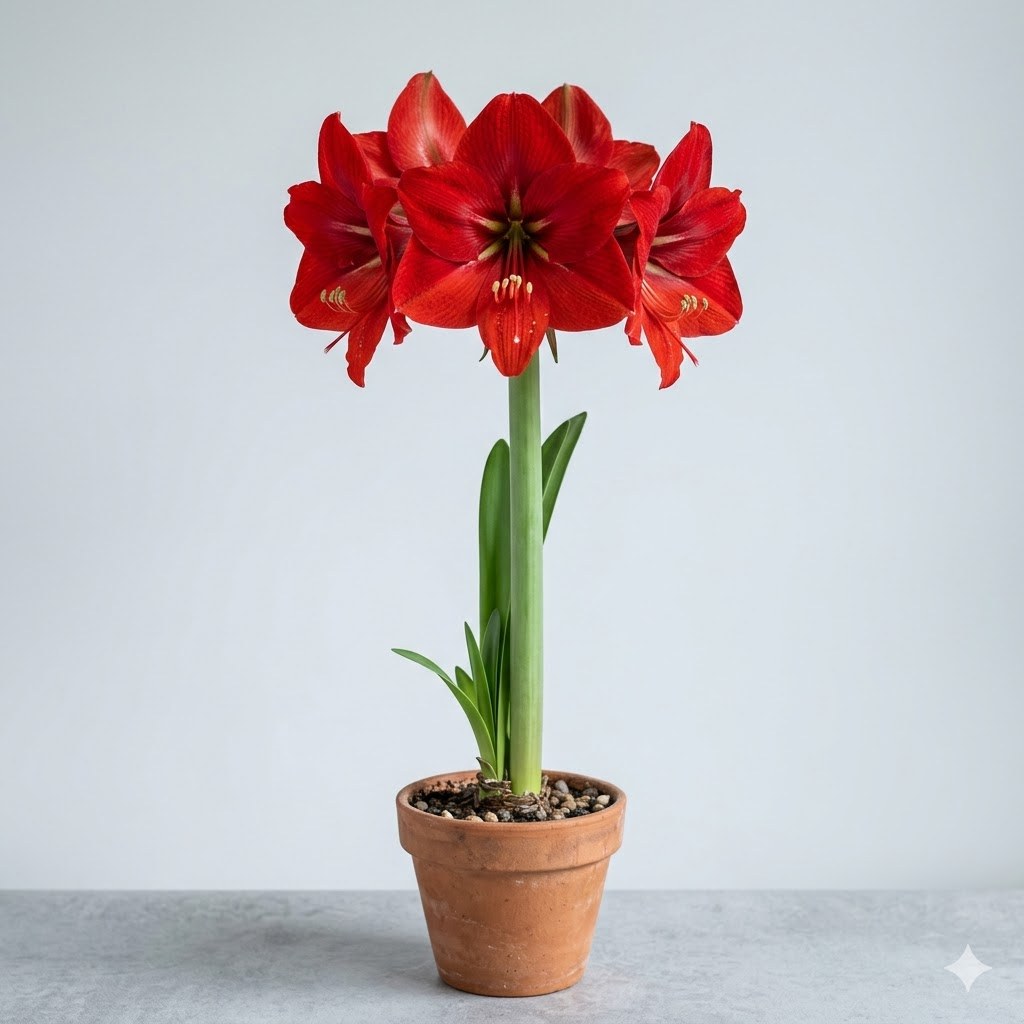 ⚠️
⚠️ Vomiting, drooling, lethargy and tremors; bulb is most toxic.
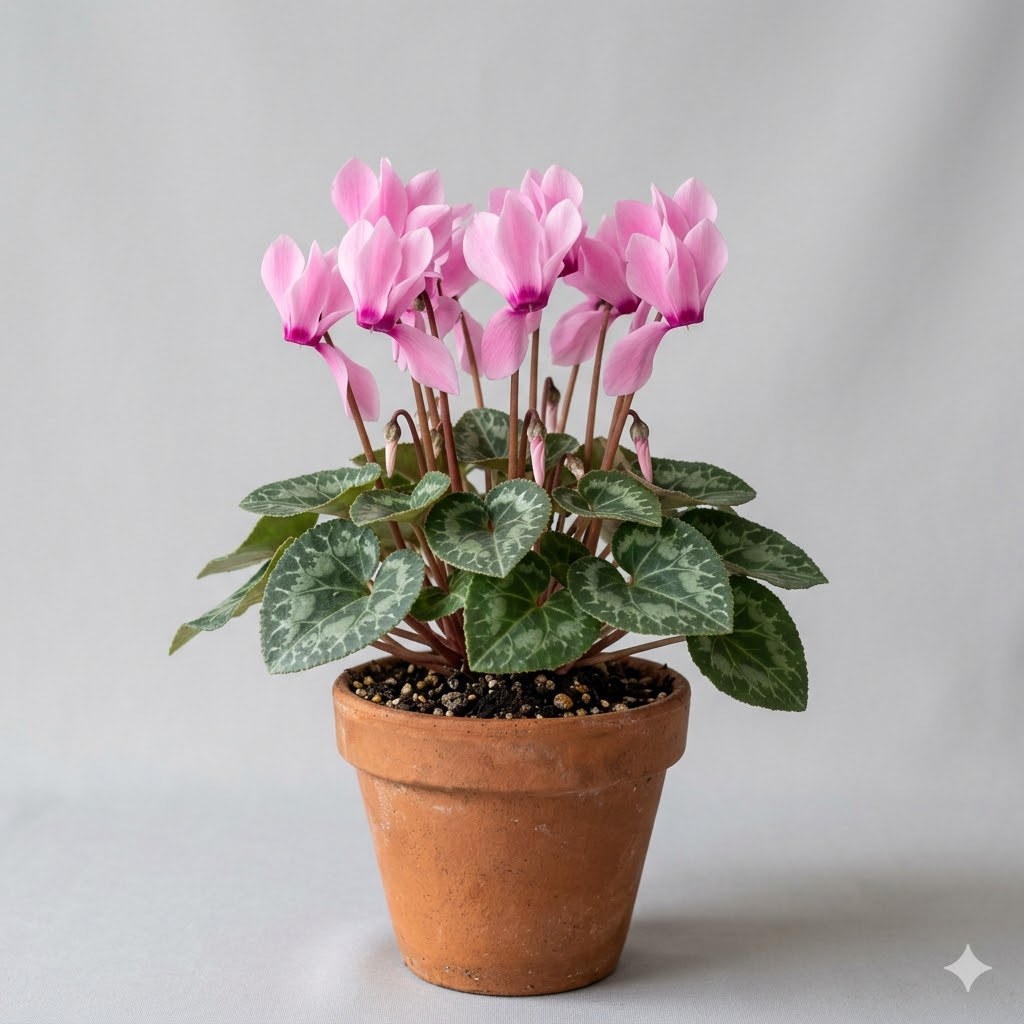 ⚠️
⚠️ Roots/tubers most toxic - drooling, vomiting; large amounts affect the heart.
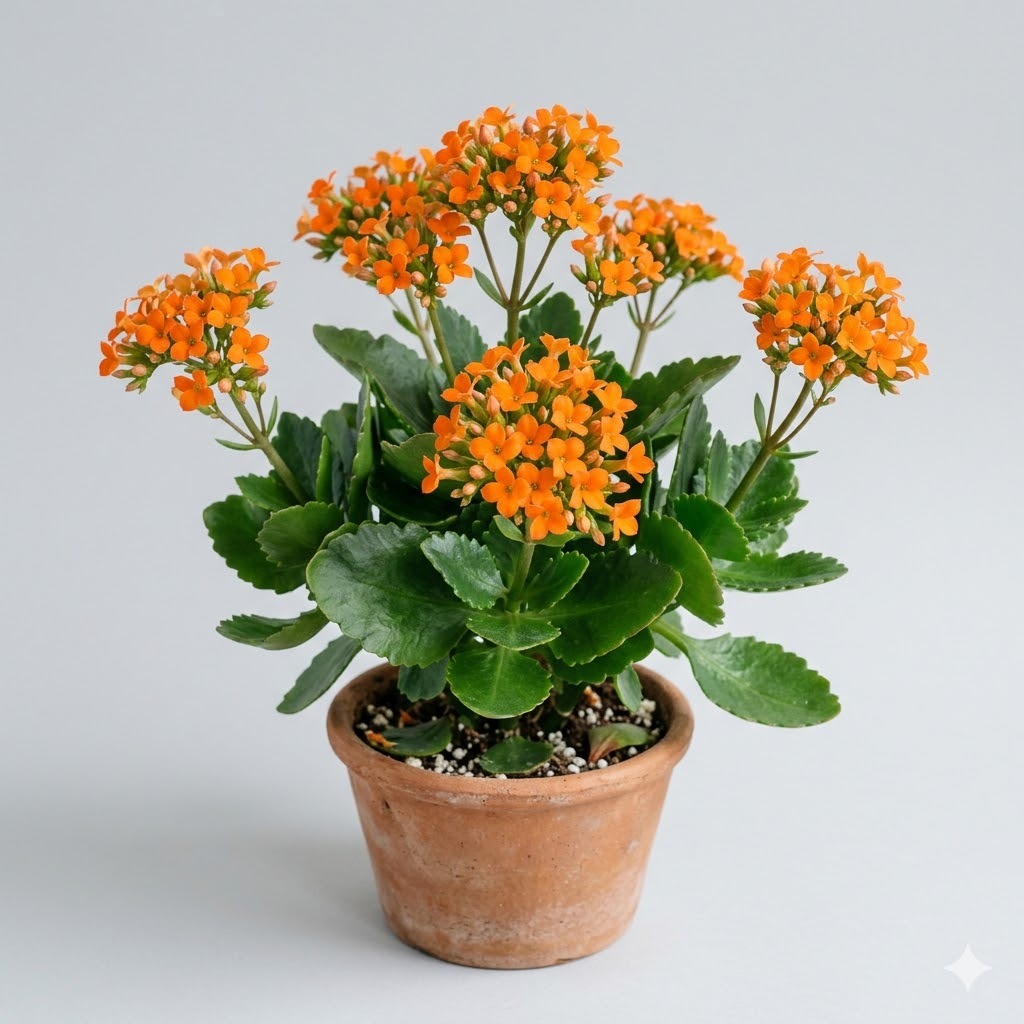 ⚠️
⚠️ Common houseplant - vomiting and diarrhea, rarely heart rhythm changes.
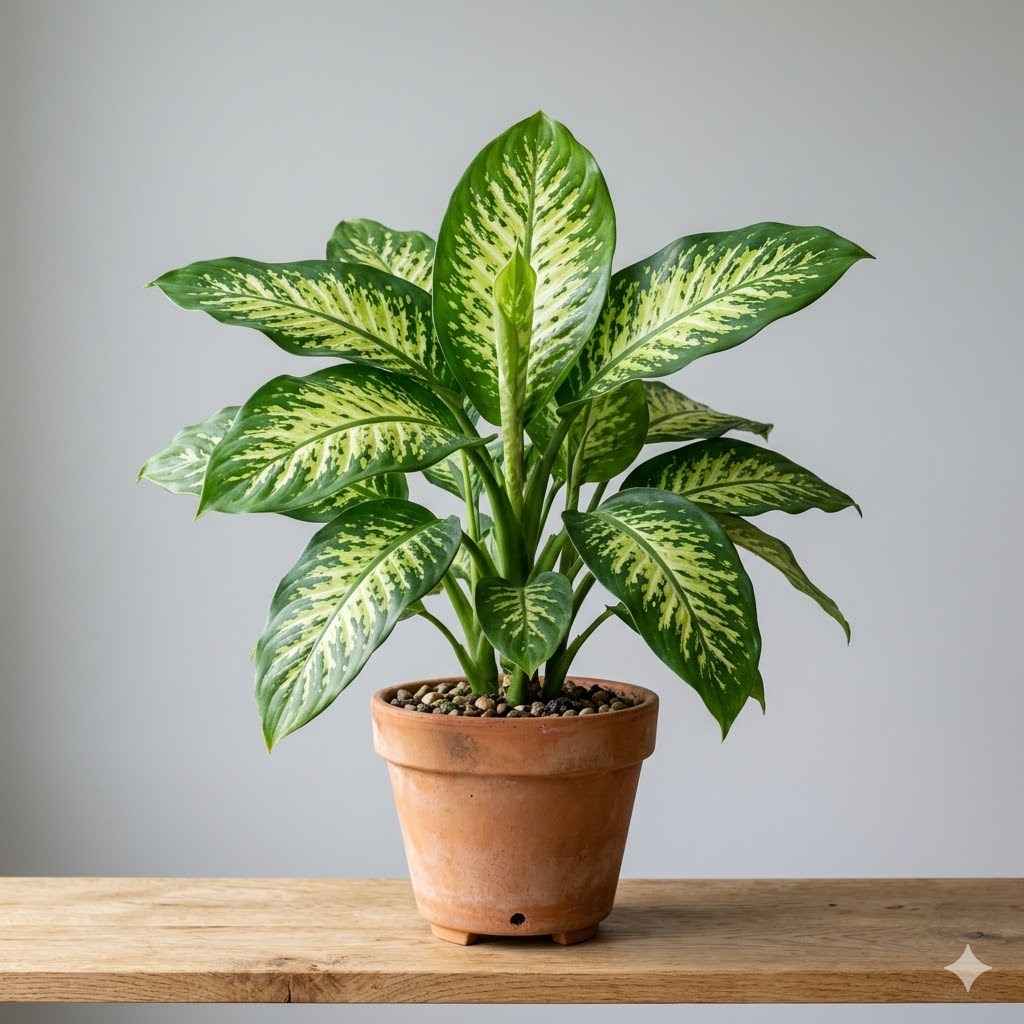 ⚠️
⚠️ Intense mouth burning and irritation, drooling, difficulty swallowing.
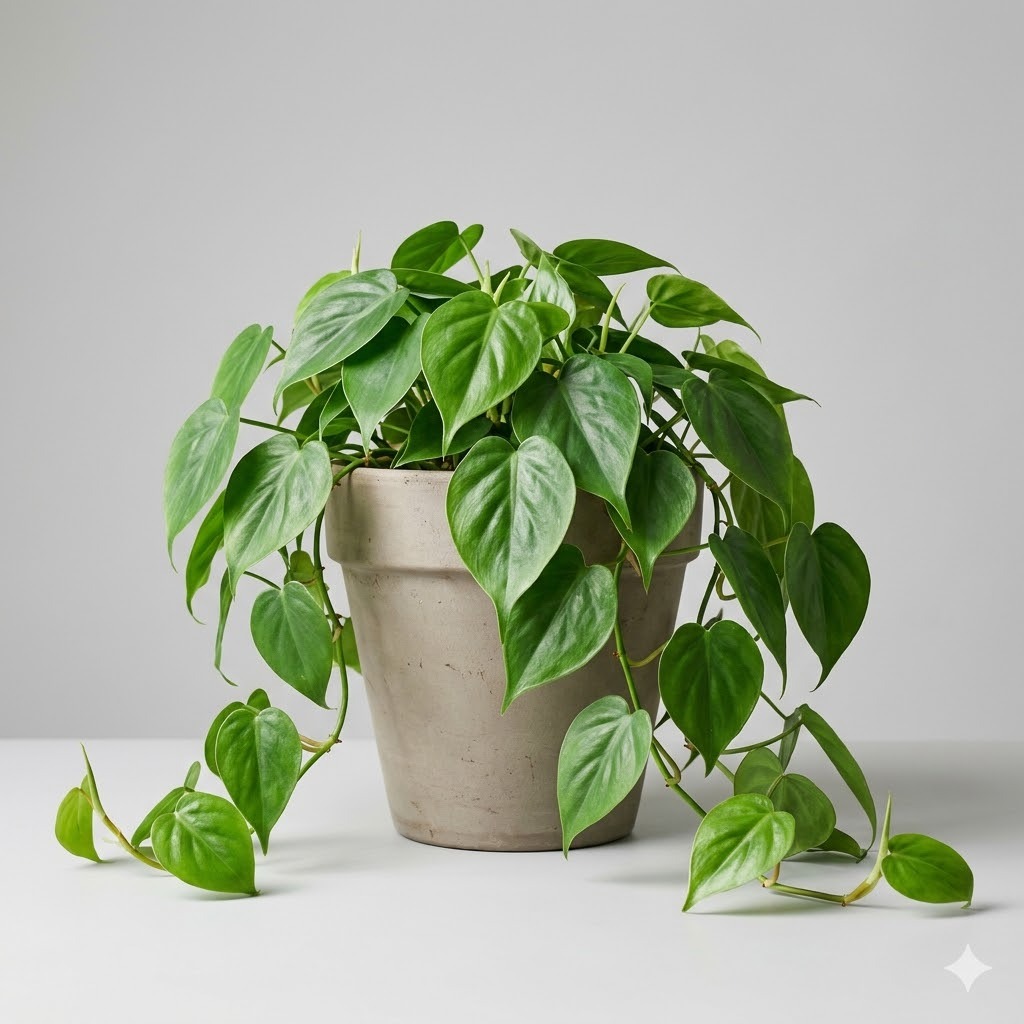 ⚠️
⚠️ Calcium oxalates - mouth irritation, drooling, pawing at the face, vomiting.
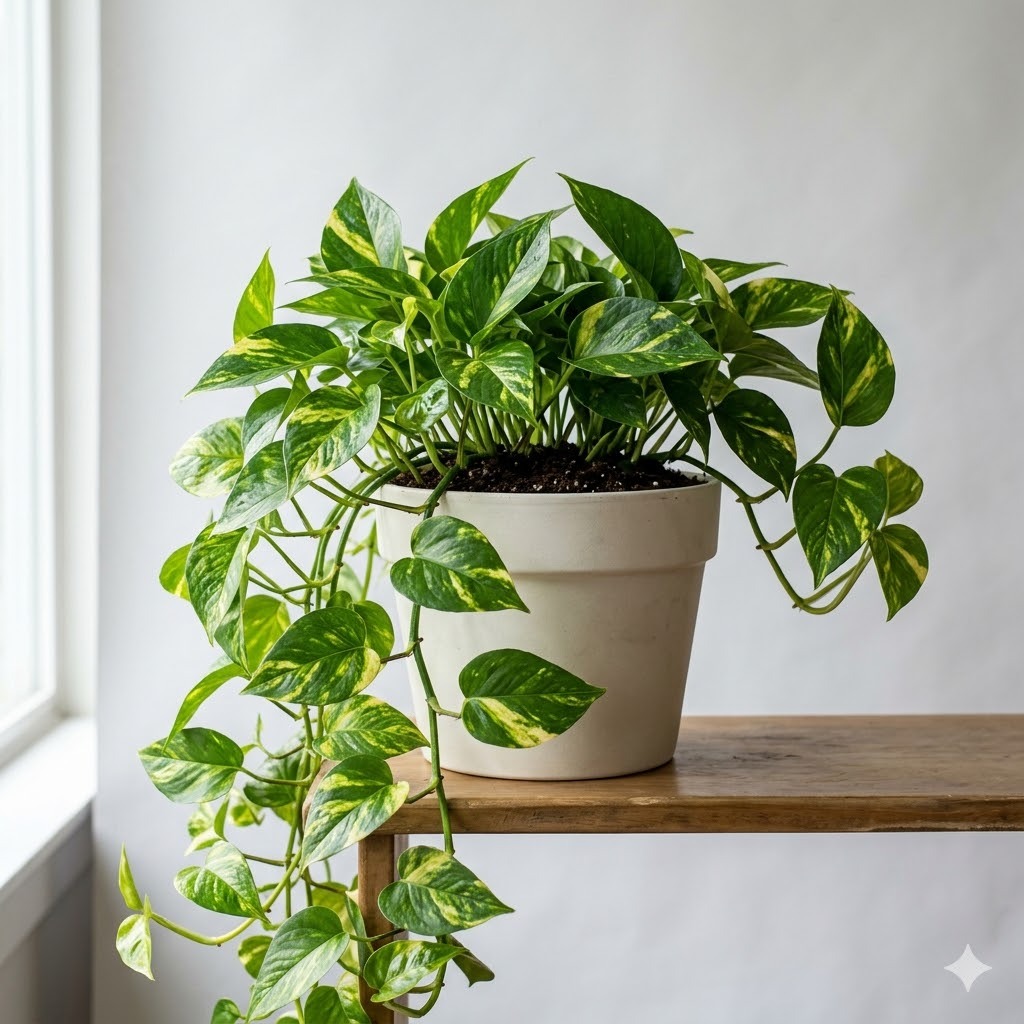 ⚠️
⚠️ Very common - oral irritation, drooling and vomiting if chewed.
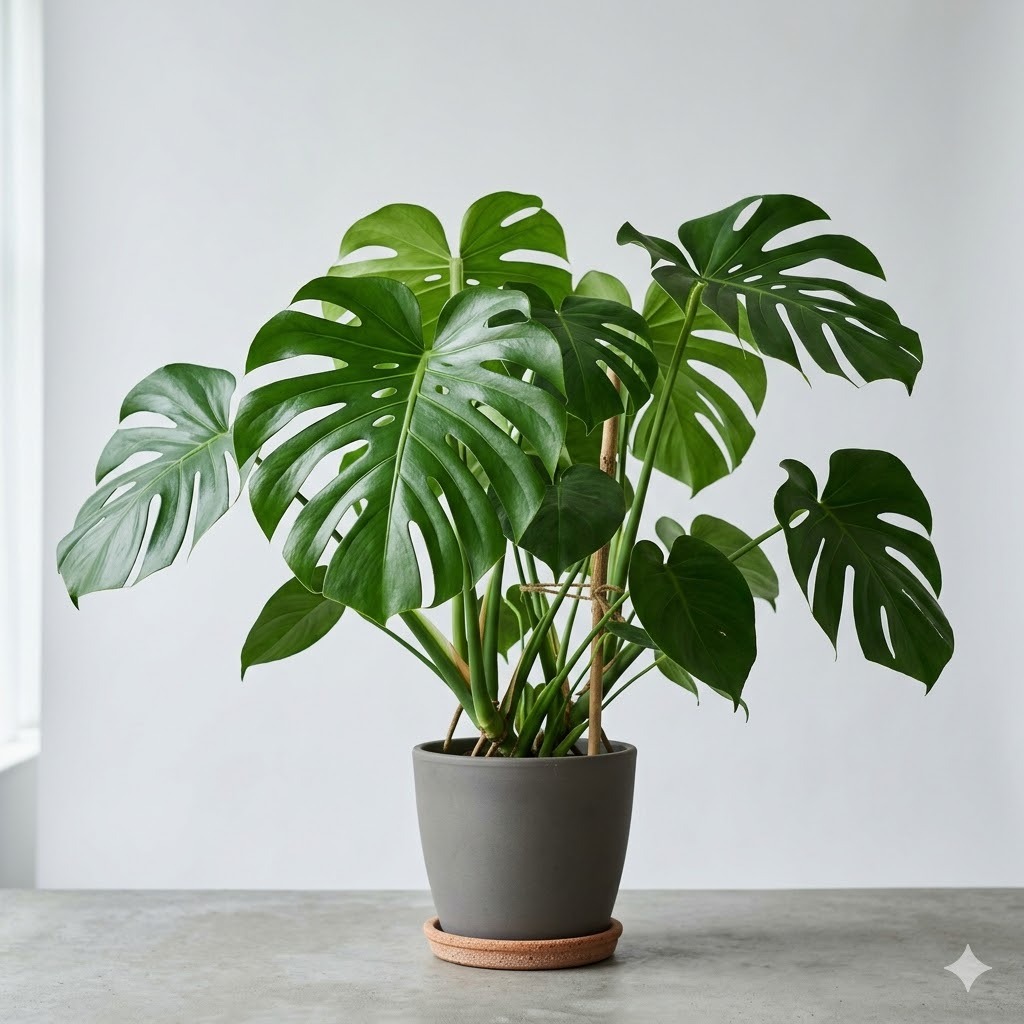 ⚠️
⚠️ Mouth and throat irritation, drooling, vomiting.
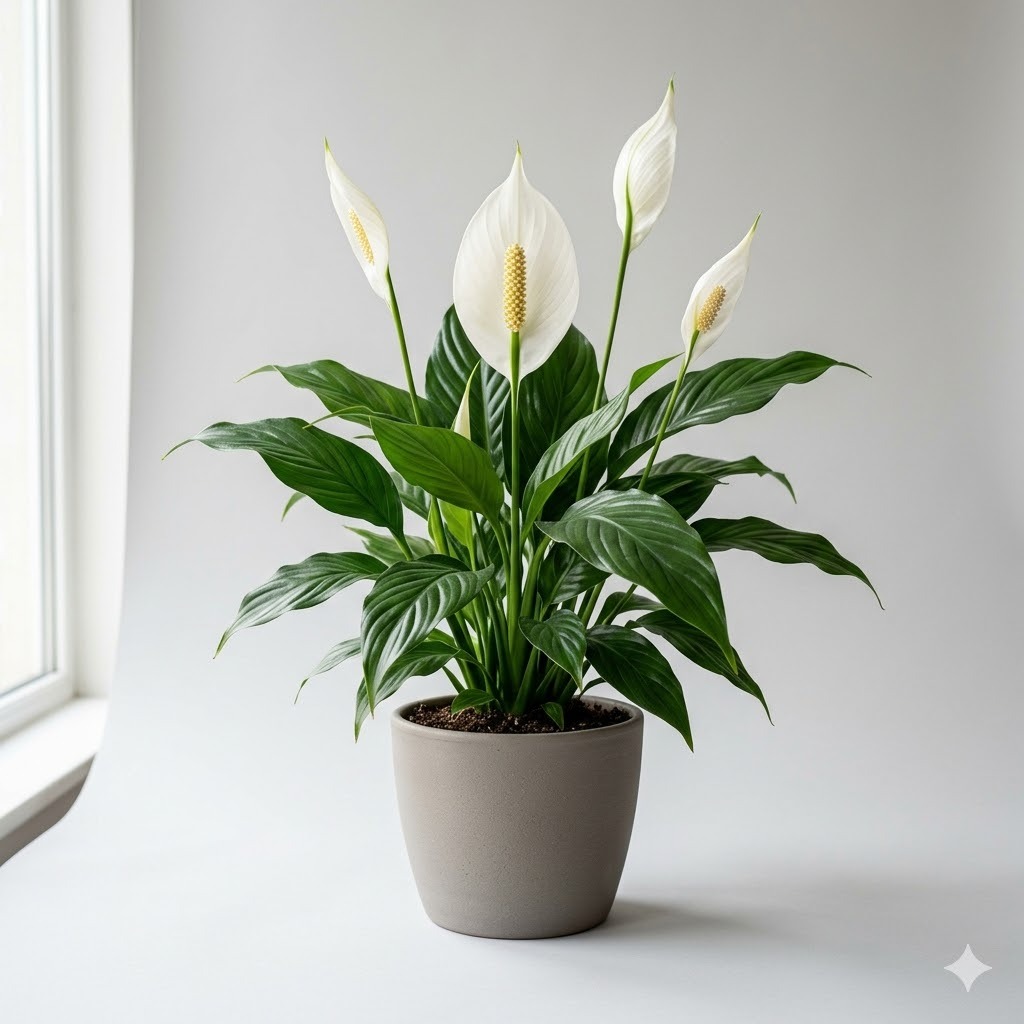 ⚠️
⚠️ Not a true lily, but irritating - burning mouth, drooling, vomiting. (Far less dangerous than true lilies.)
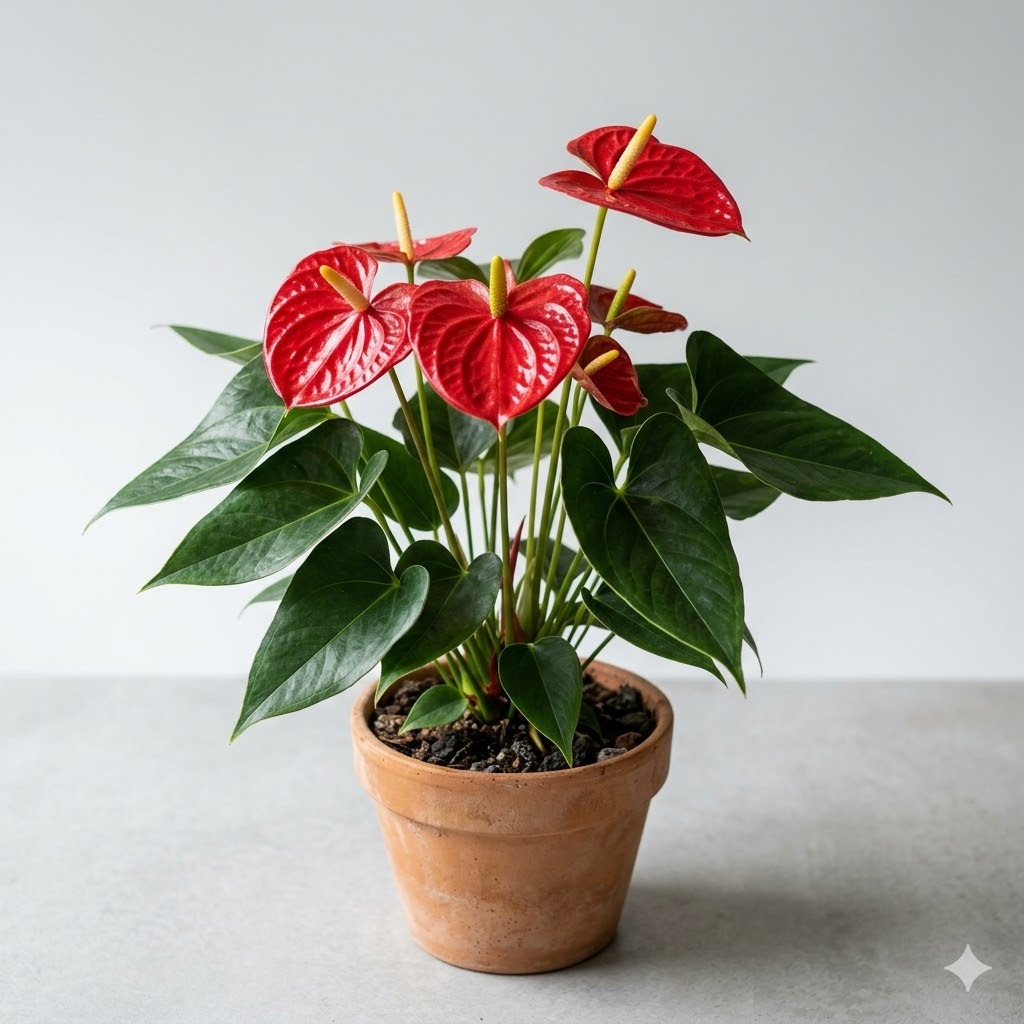 ⚠️
⚠️ Oral irritation, drooling and difficulty swallowing.
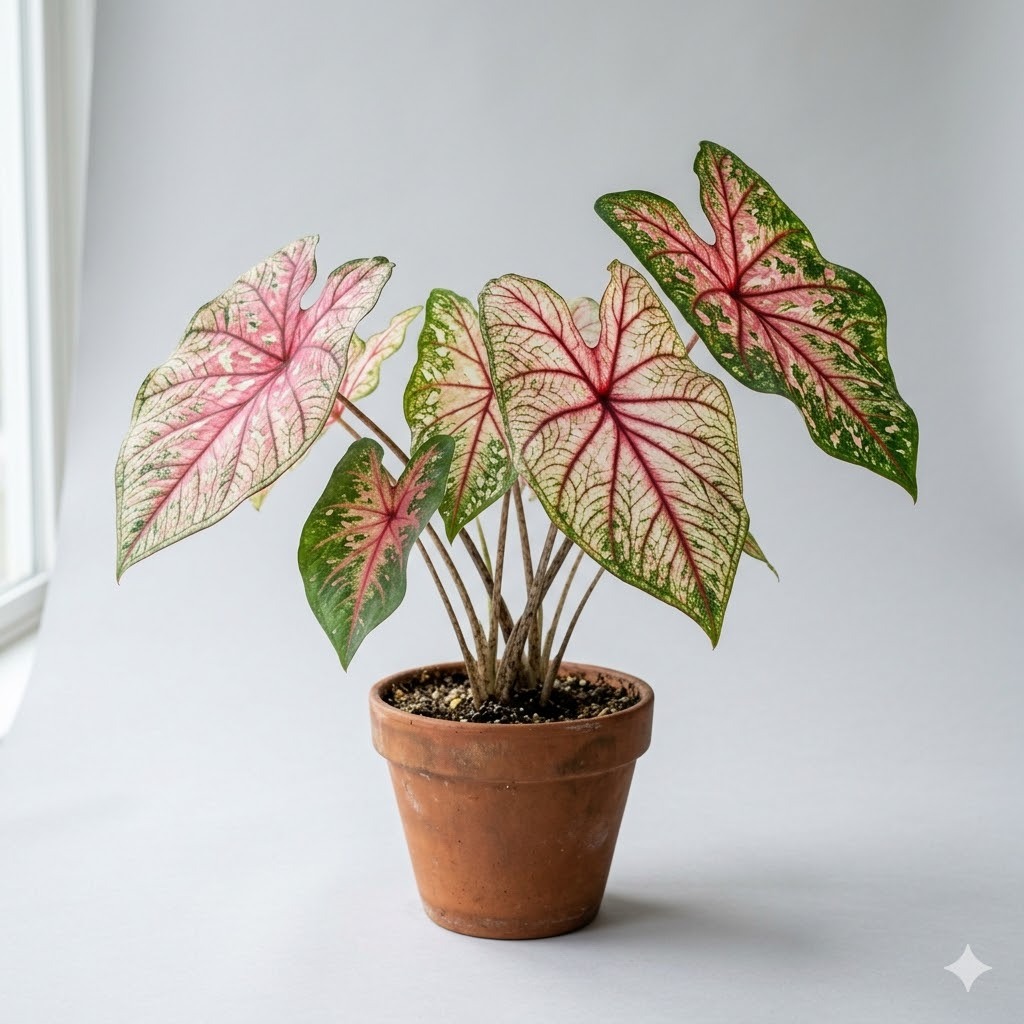 ⚠️
⚠️ Burning mouth, drooling, vomiting and swelling.
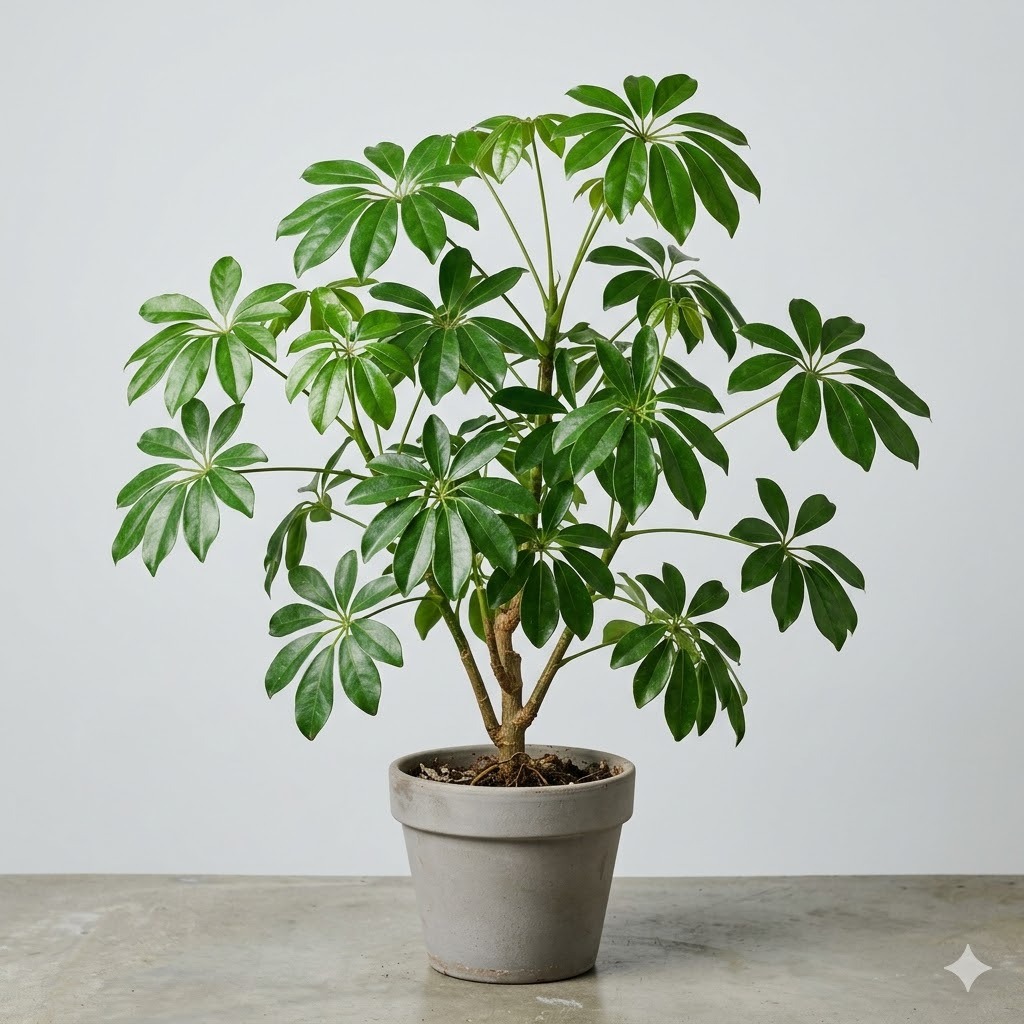 ⚠️
⚠️ Oral irritation, drooling, vomiting.
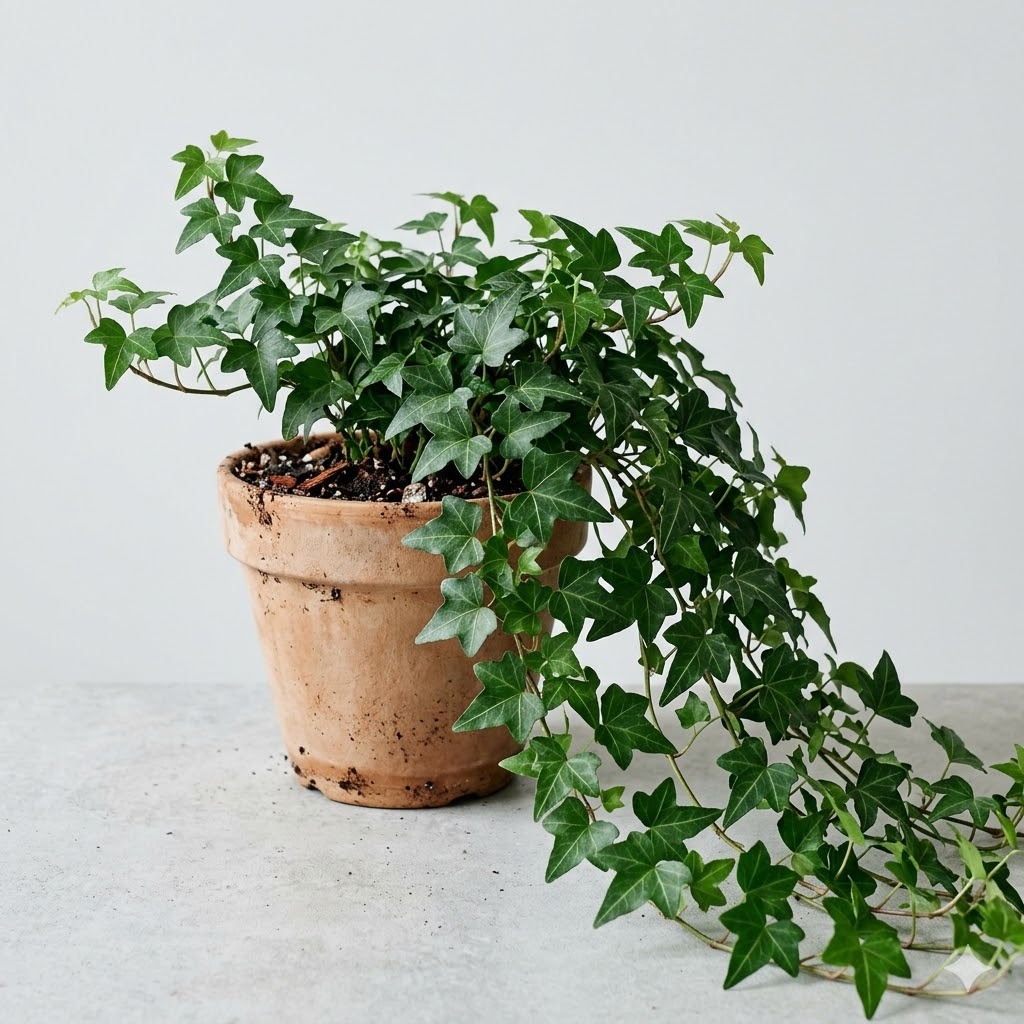 ⚠️
⚠️ Leaves more toxic than berries - vomiting, diarrhea, drooling.
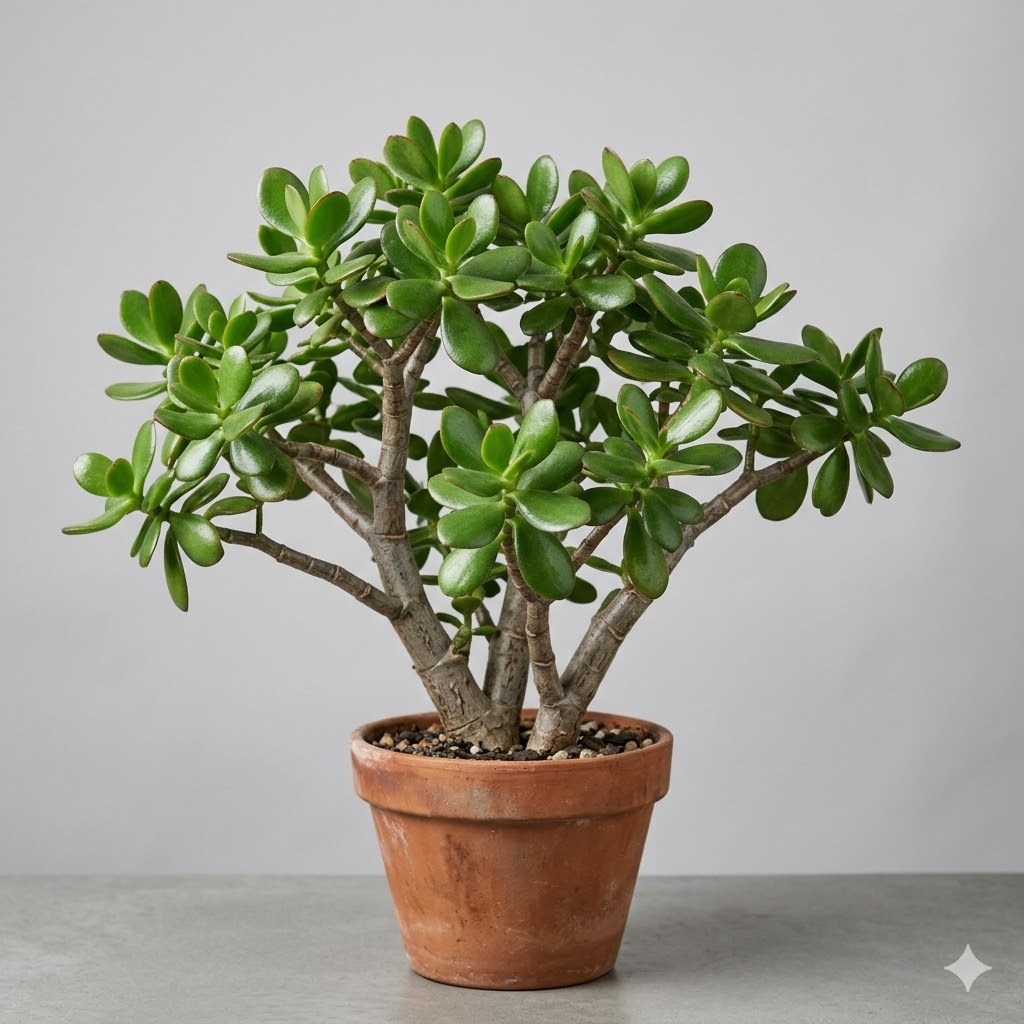 ⚠️
⚠️ Vomiting, lethargy and incoordination; reason unknown.
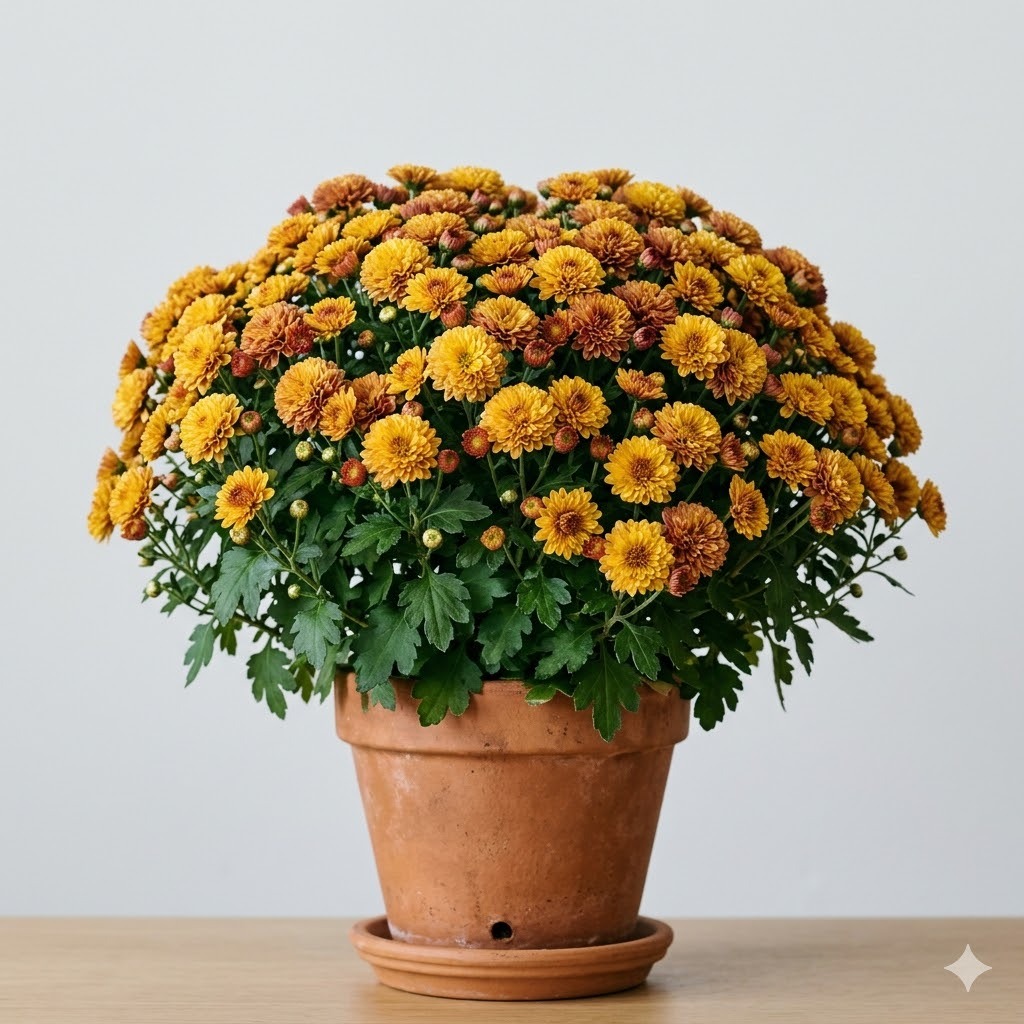 ⚠️
⚠️ Vomiting, diarrhea, drooling and skin irritation.
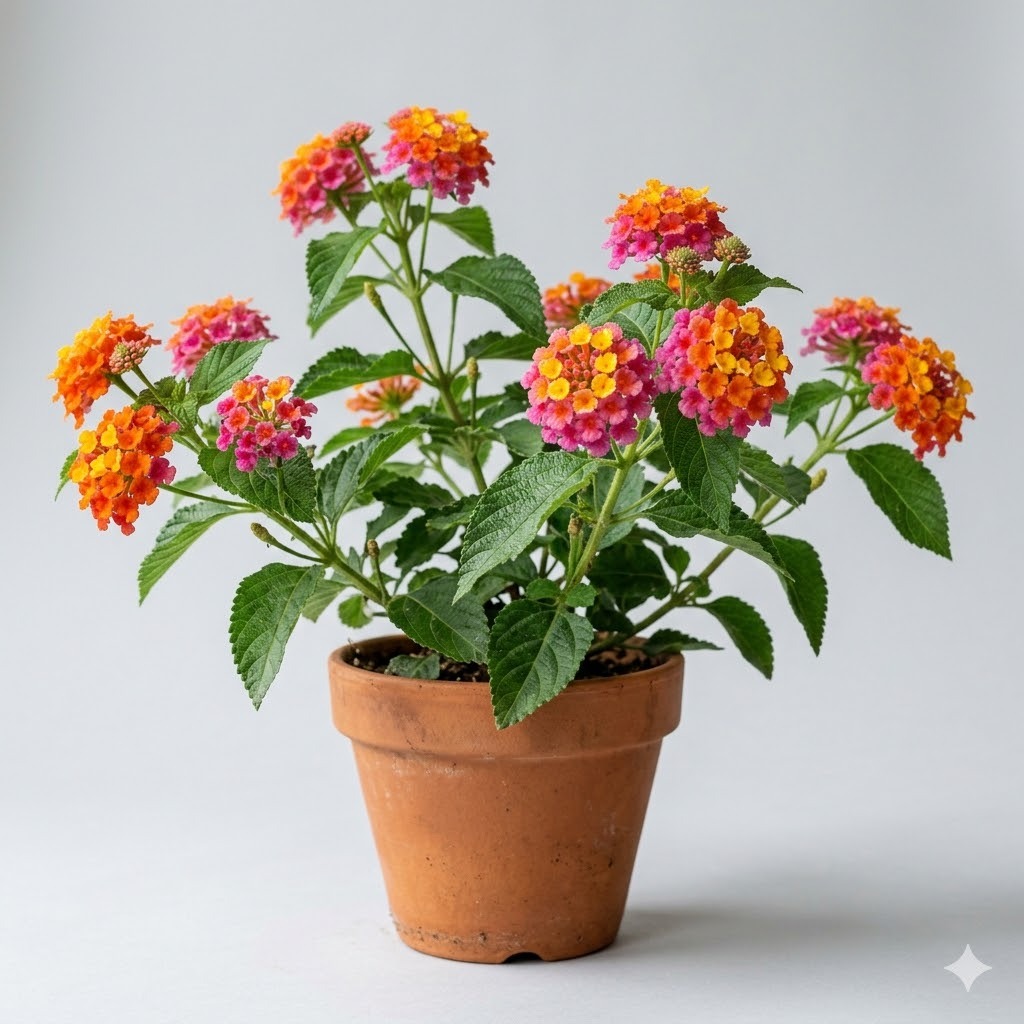 ⚠️
⚠️ Vomiting, diarrhea, and with large amounts, liver effects.
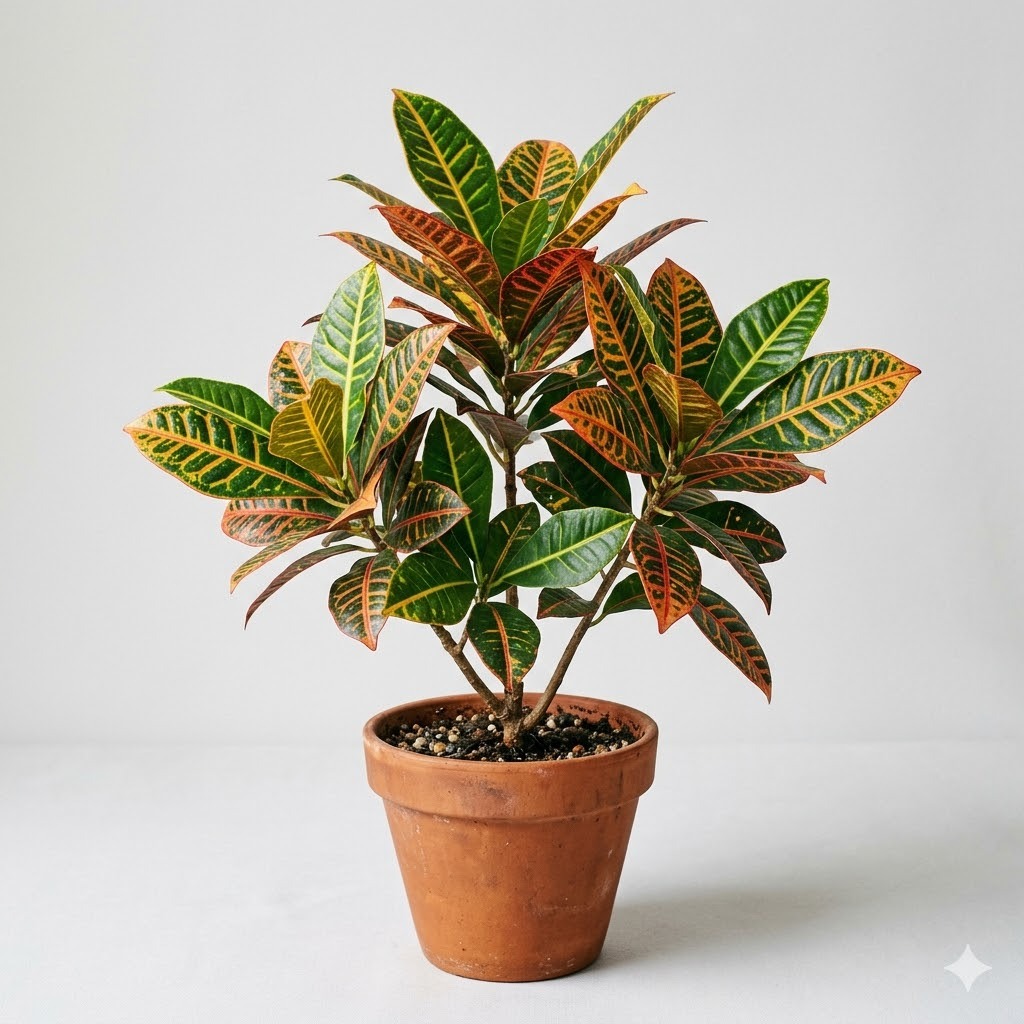 ⚠️
⚠️ Mouth and stomach irritation if chewed.
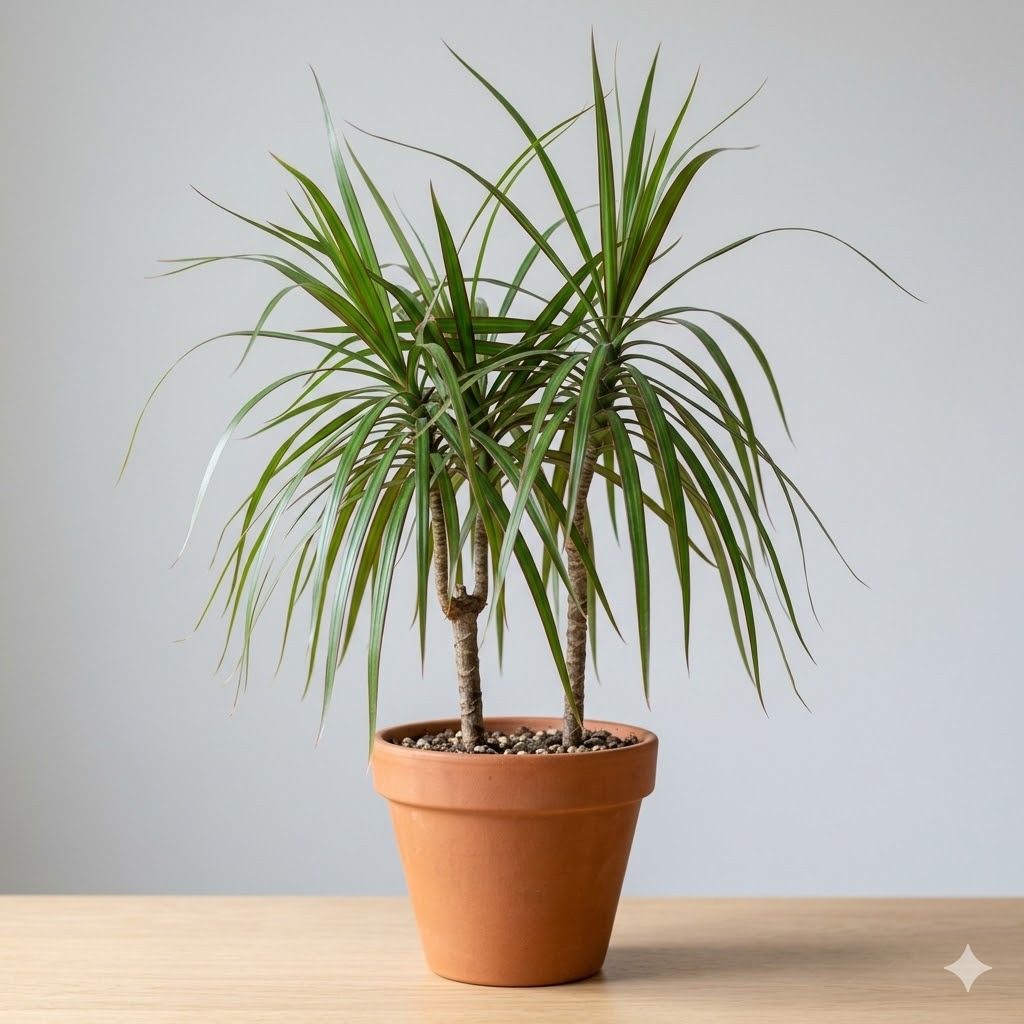 ⚠️
⚠️ Vomiting (sometimes with blood), drooling; cats may show dilated pupils.
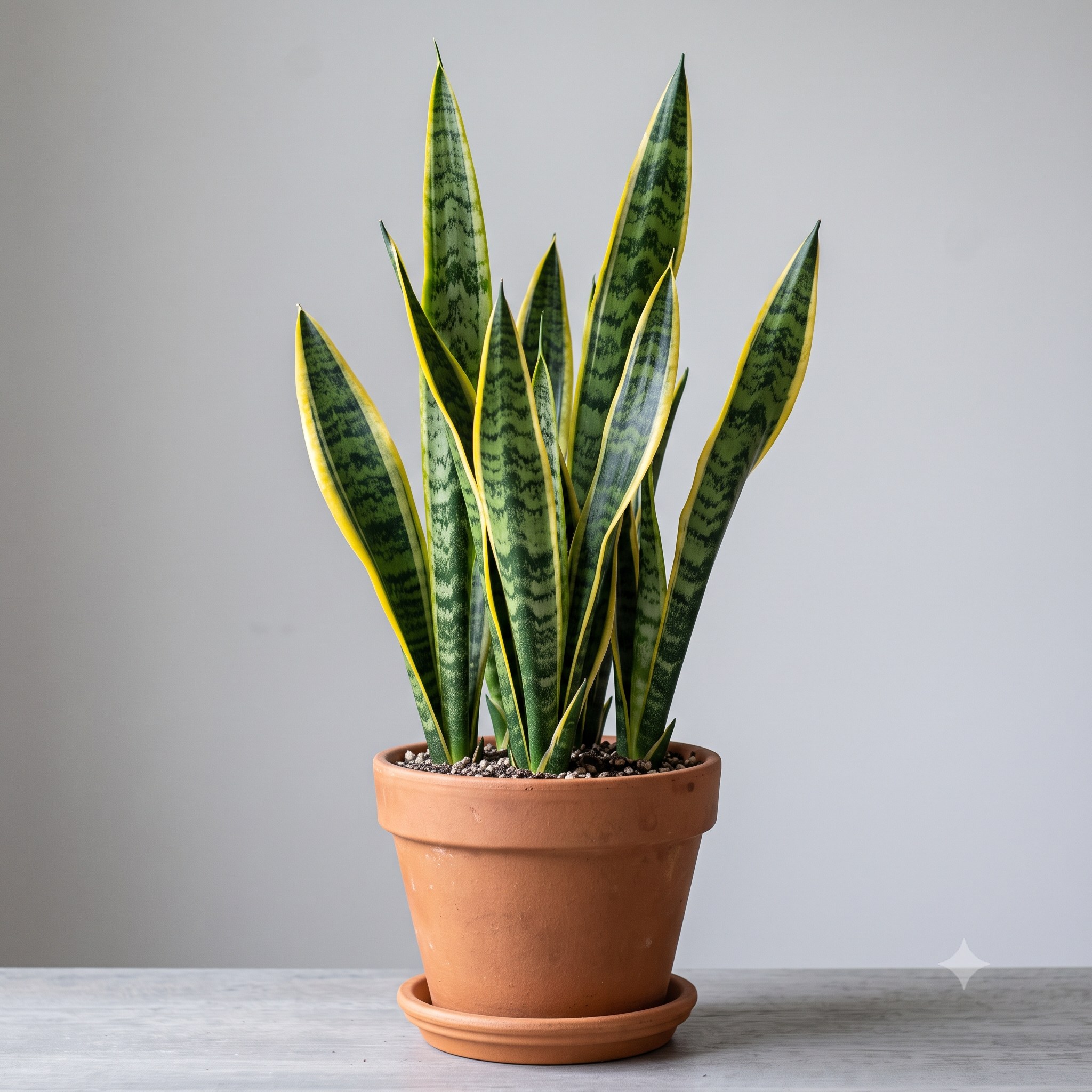 ⚠️
⚠️ Nausea, vomiting and diarrhea if eaten.
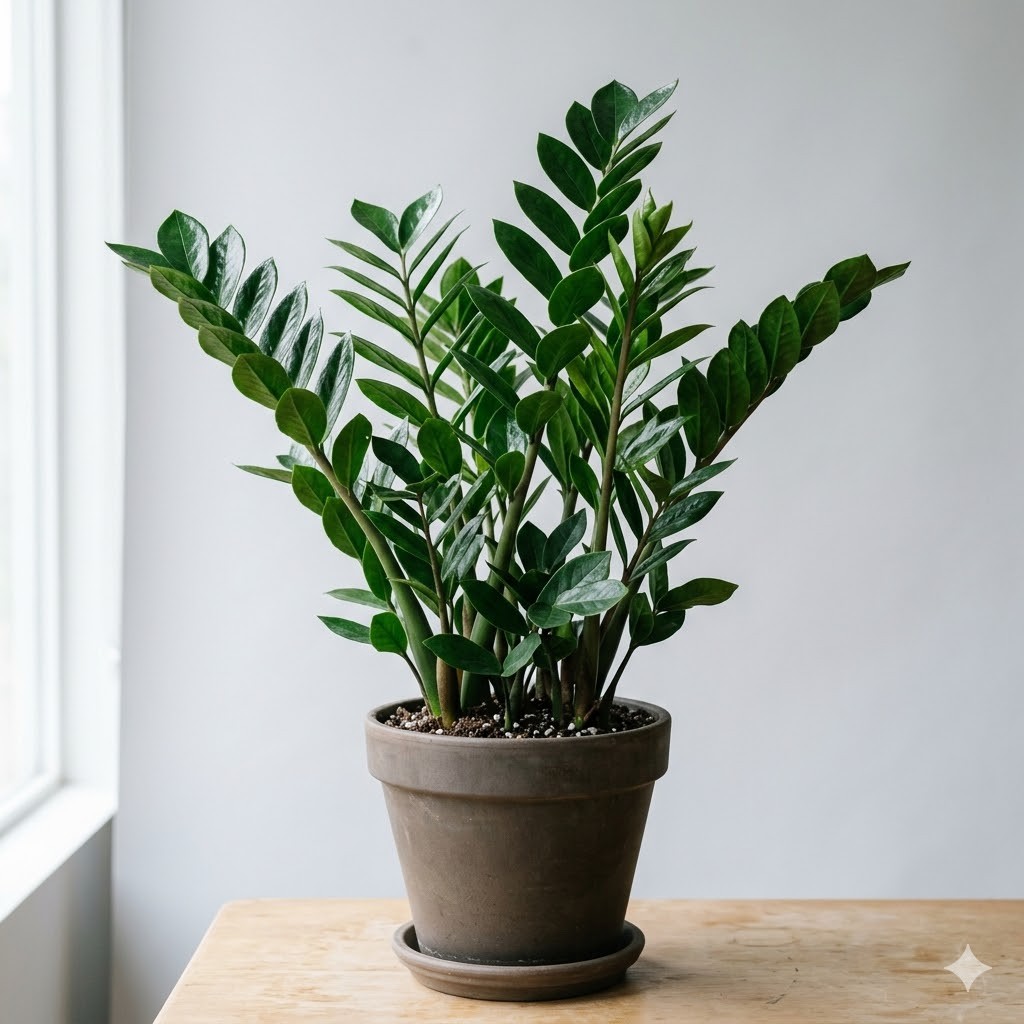 ⚠️
⚠️ Irritating sap - mouth/stomach irritation; wash hands after handling.
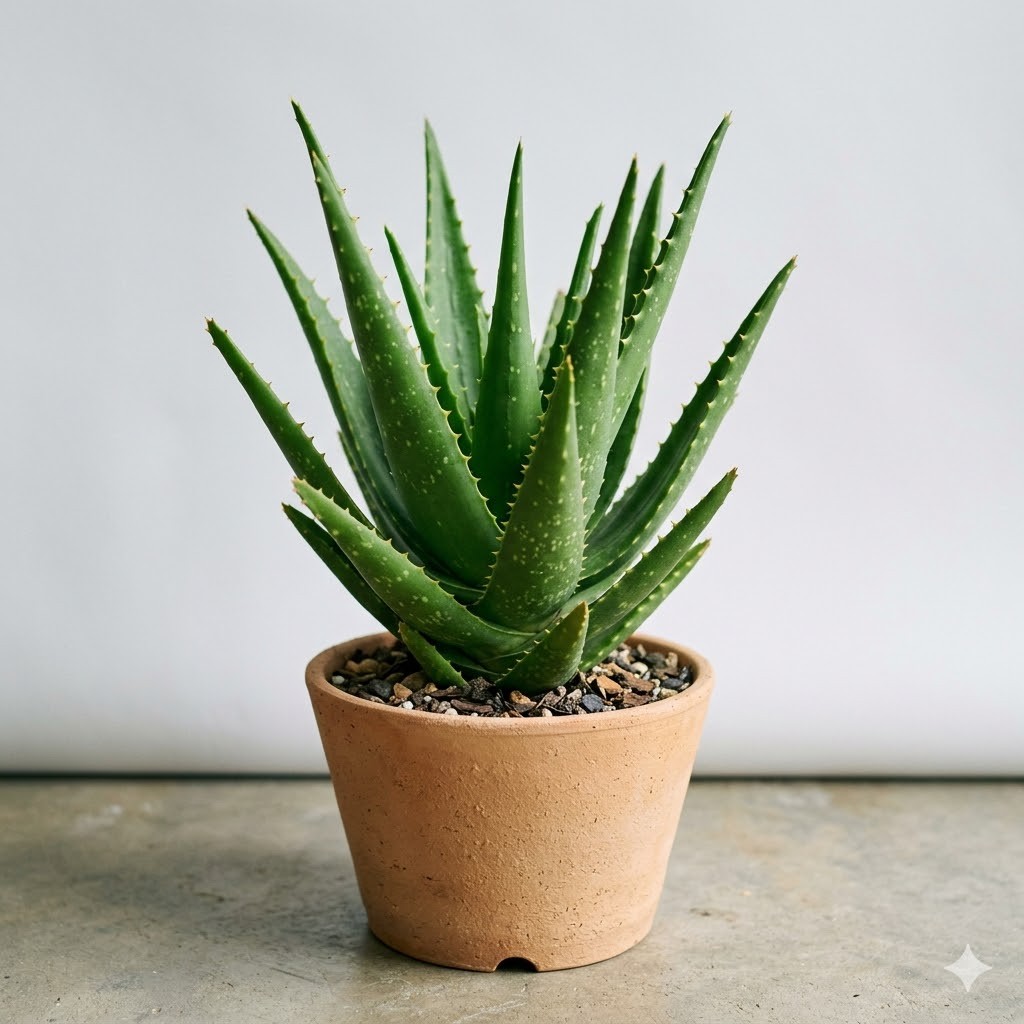 ⚠️
⚠️ Vomiting, lethargy and diarrhea (the gel itself is less of an issue than the outer leaf).
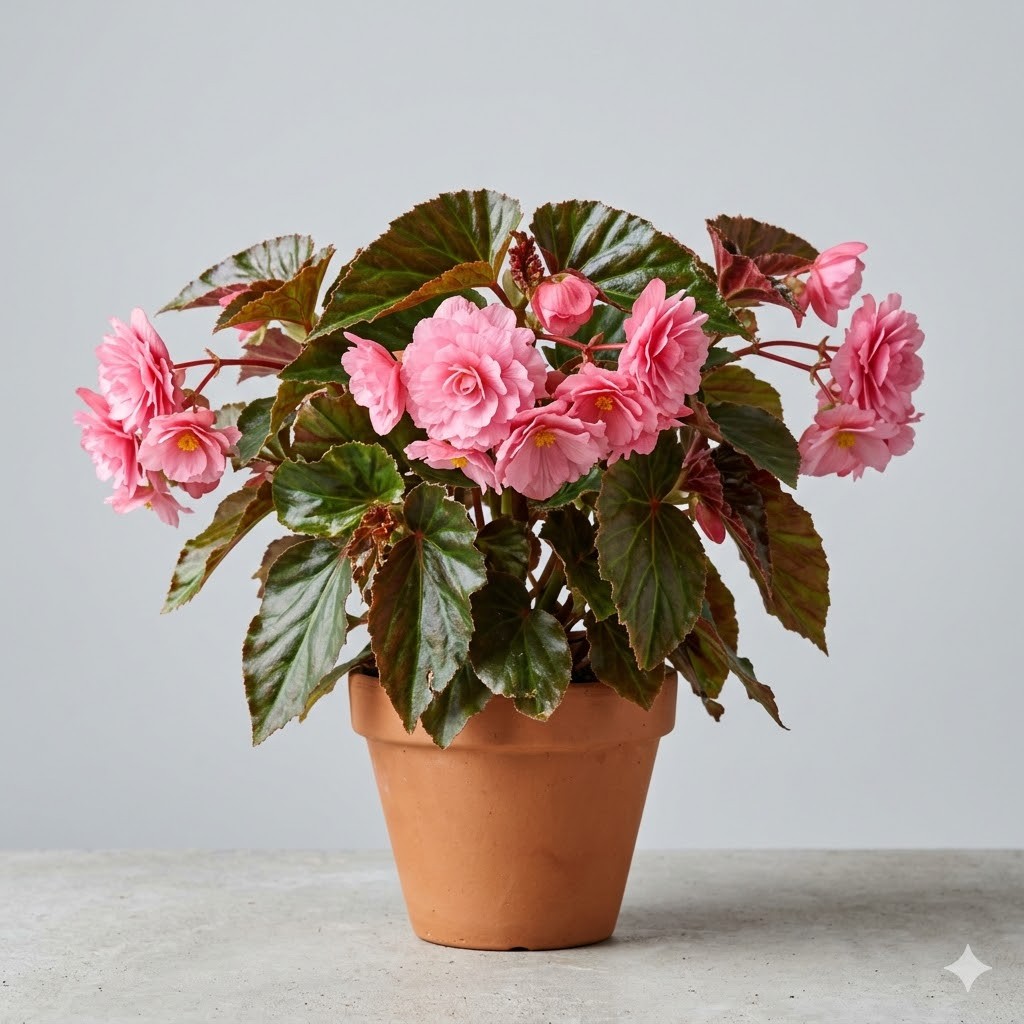 ⚠️
⚠️ Tubers most toxic - mouth irritation, drooling, vomiting.
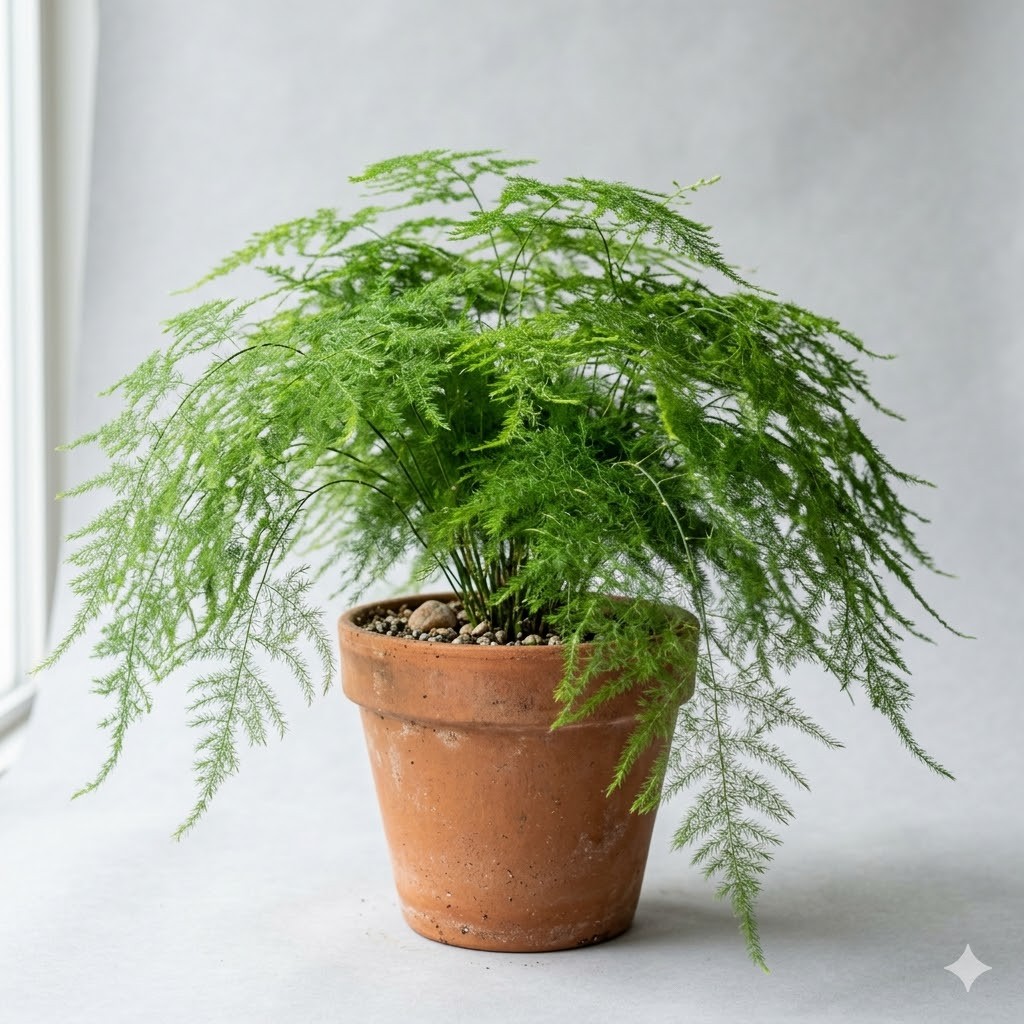 ⚠️
⚠️ Berries cause stomach upset; repeated skin contact can cause irritation.
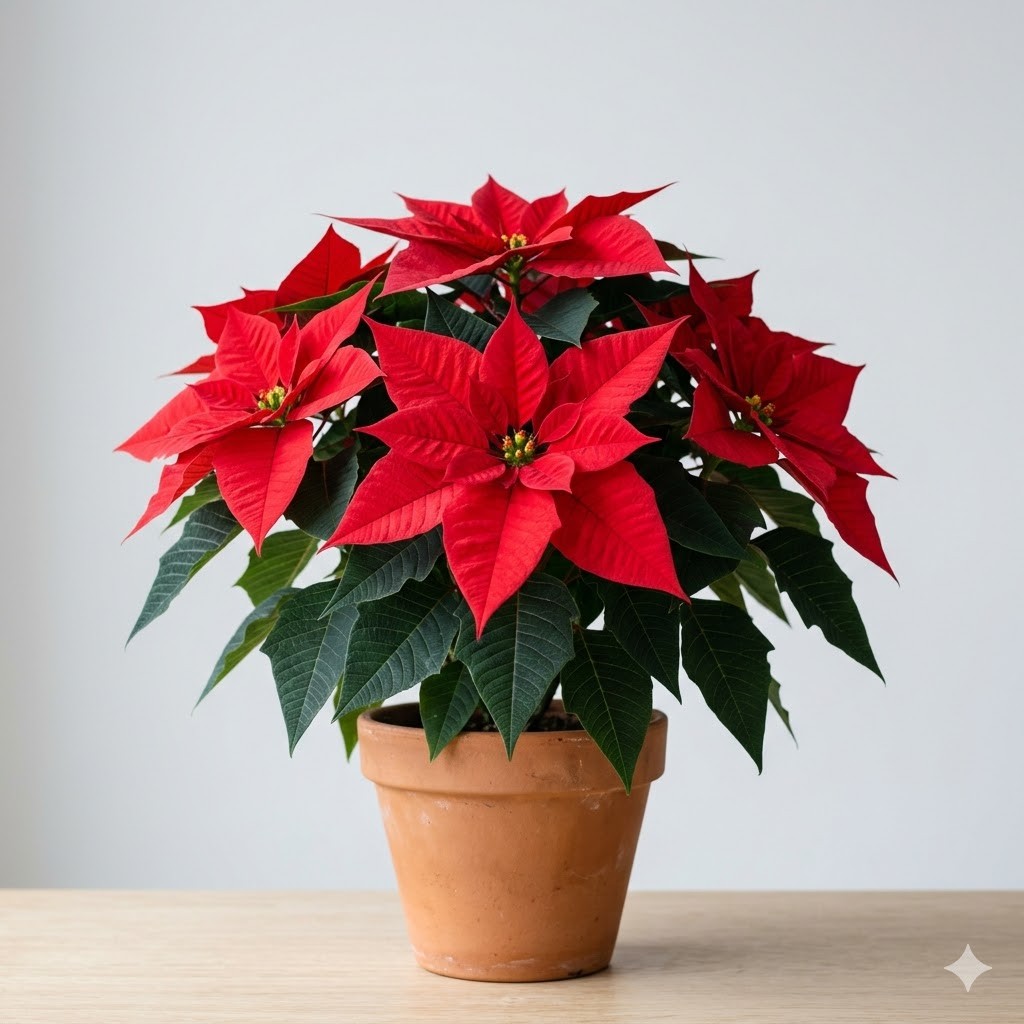 ⚠️
⚠️ Reputation is overblown - usually just mild drooling or stomach upset.
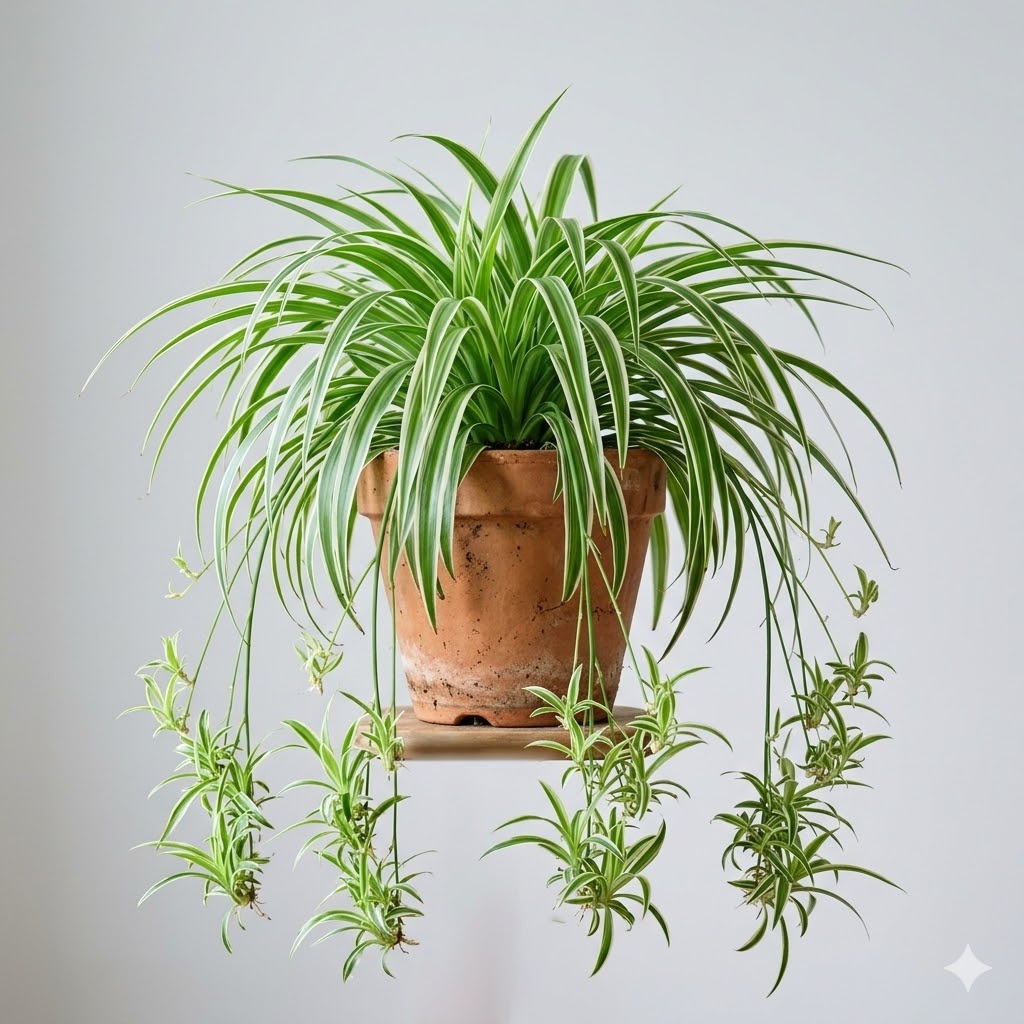 🪴
🪴 Non-toxic. Cats love to bat at it; overeating any plant can still cause mild tummy upset.
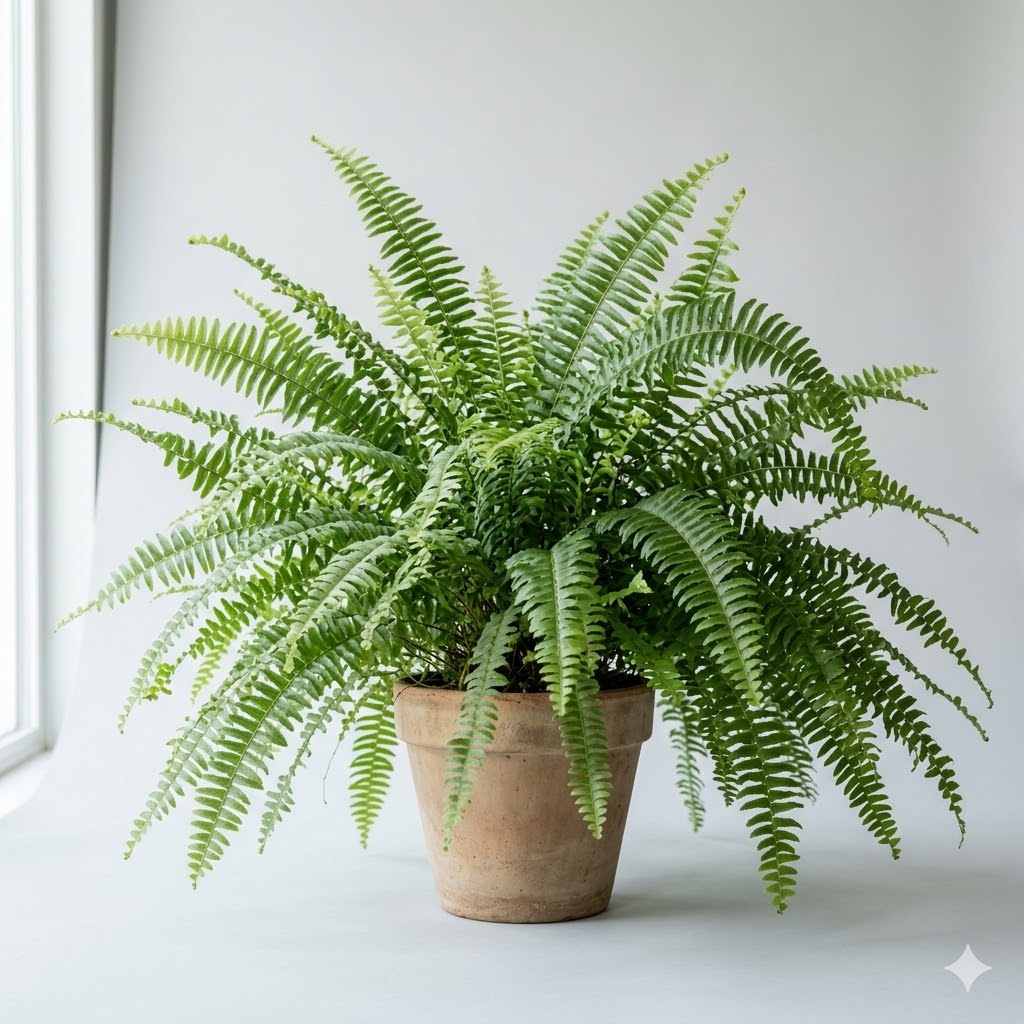 🪴
🪴 Non-toxic and a popular pet-friendly choice.
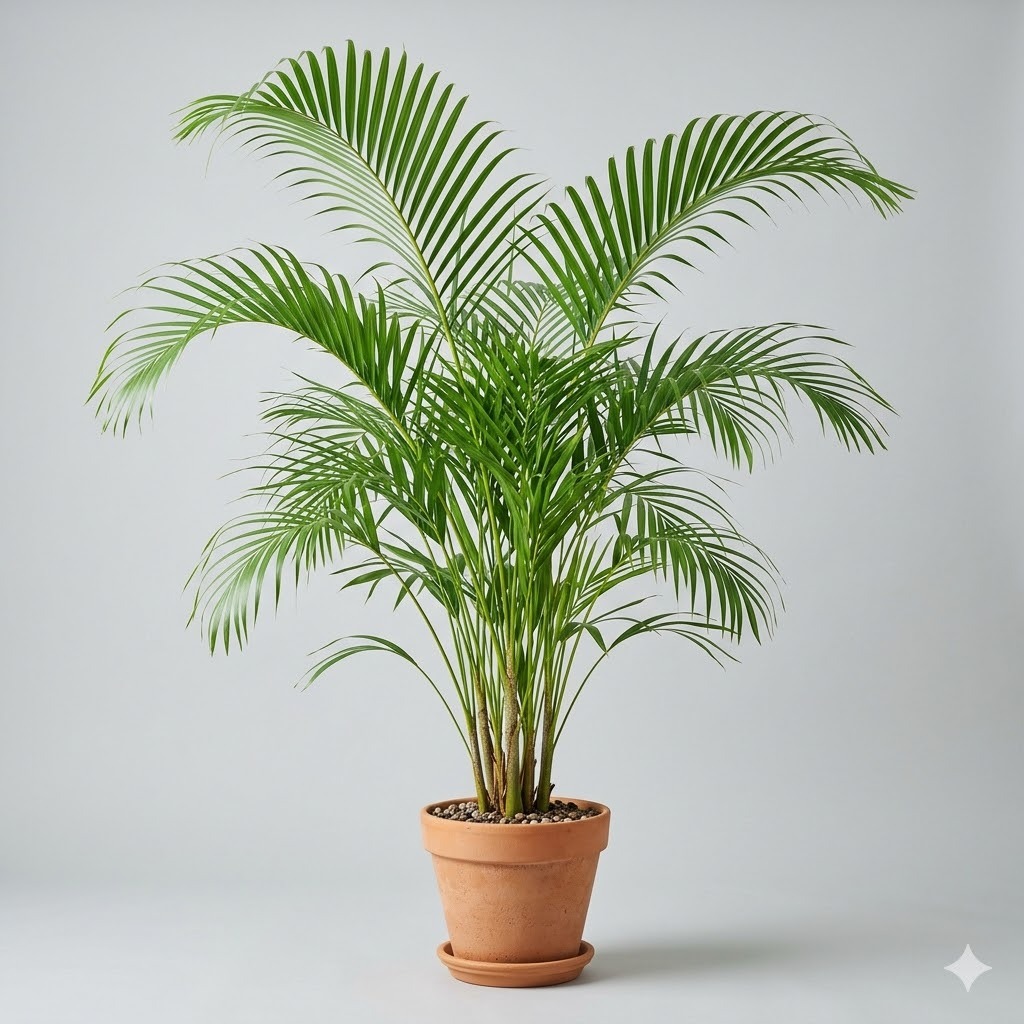 🪴
🪴 Non-toxic - a safe way to get the palm look. (Not to be confused with toxic Sago Palm.)
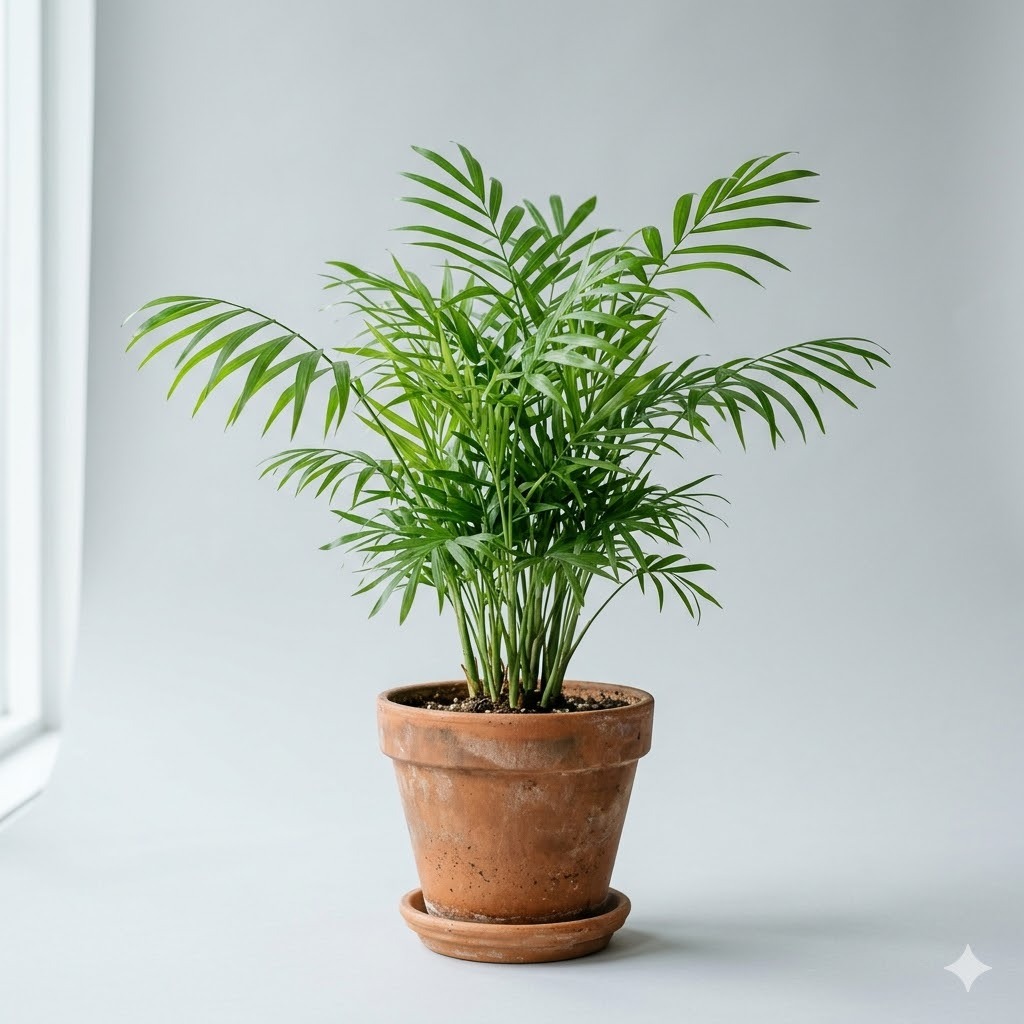 🪴
🪴 Non-toxic and easy-going.
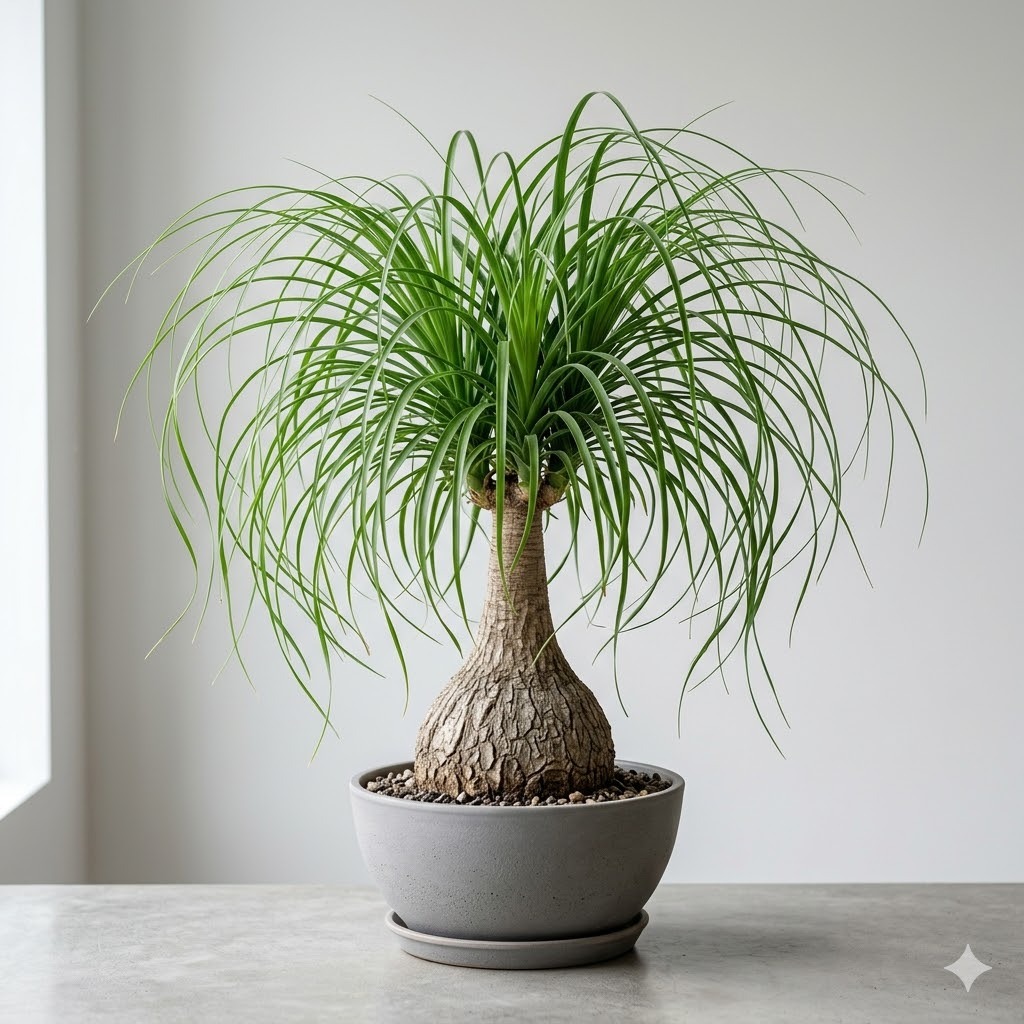 🪴
🪴 Non-toxic.
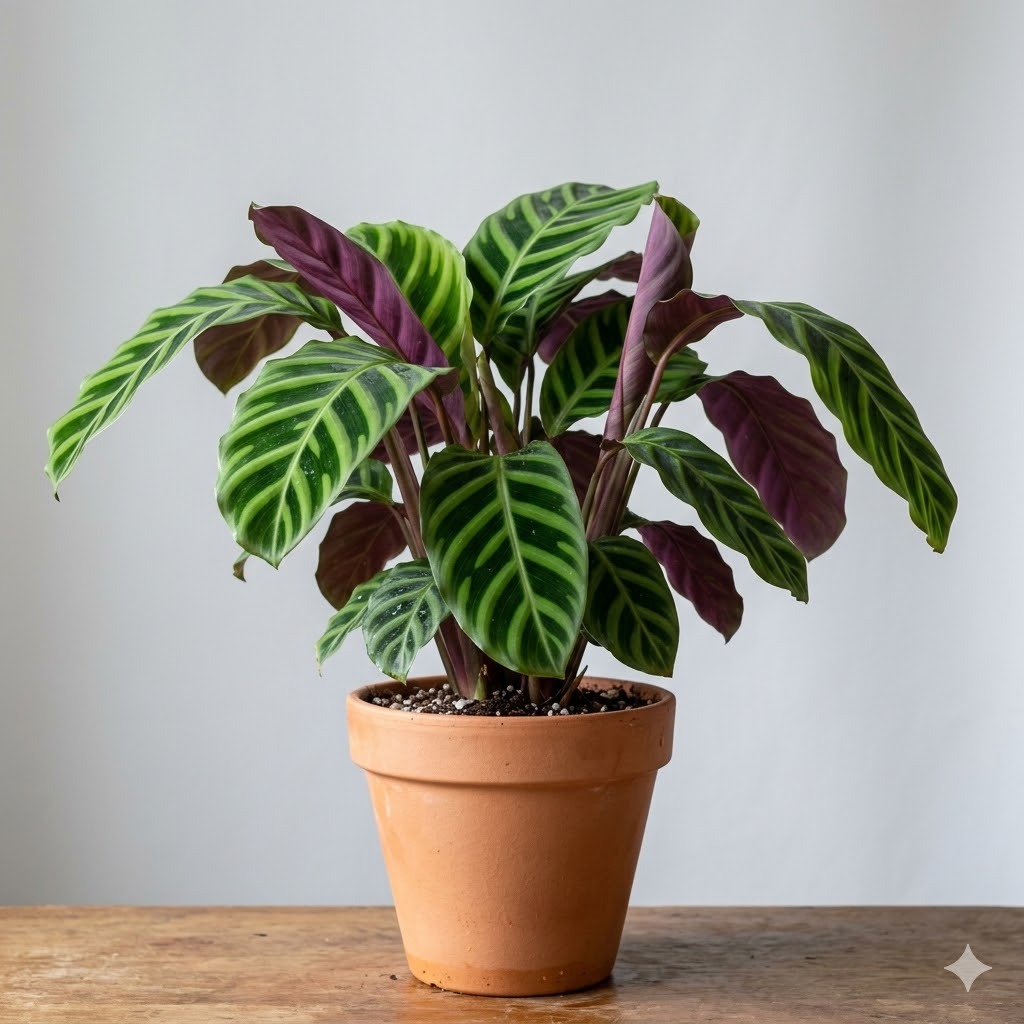 🪴
🪴 Non-toxic, pet-friendly foliage.
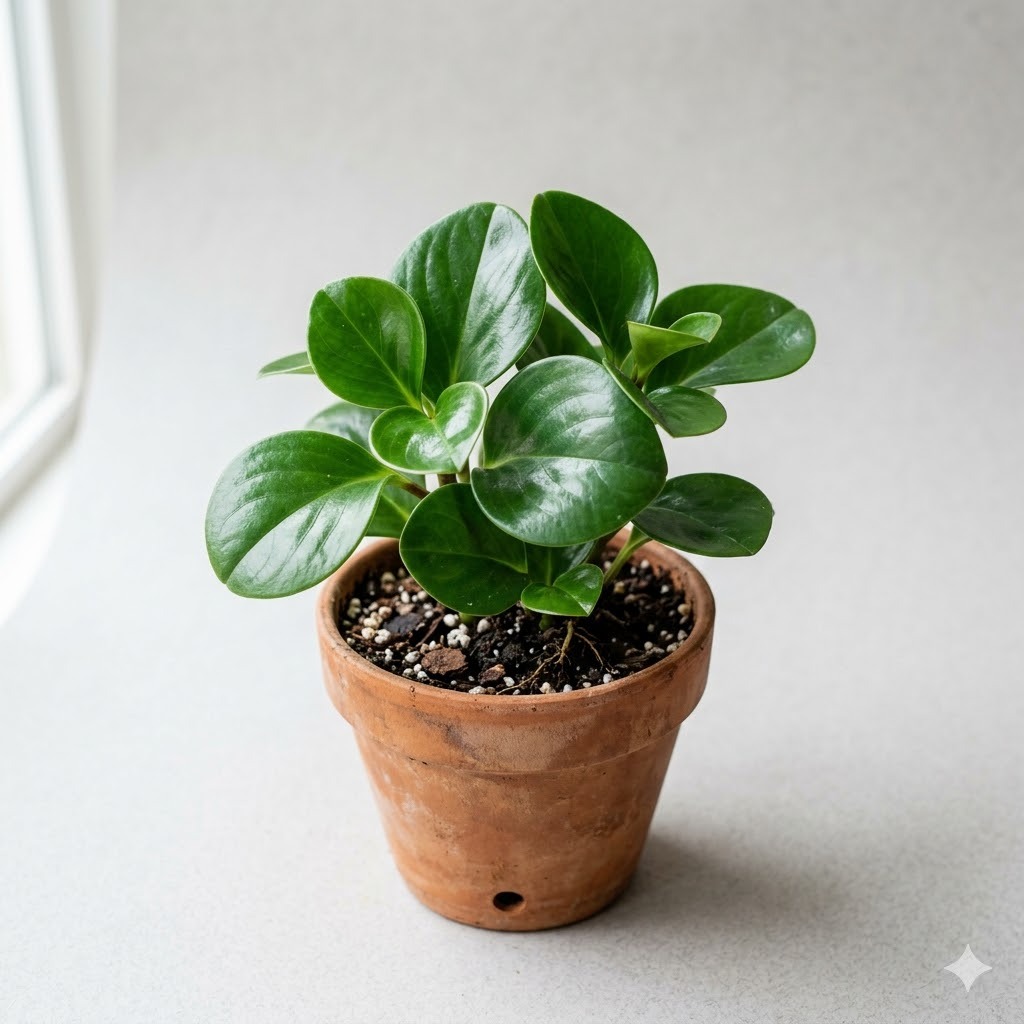 🪴
🪴 Non-toxic, compact and easy.
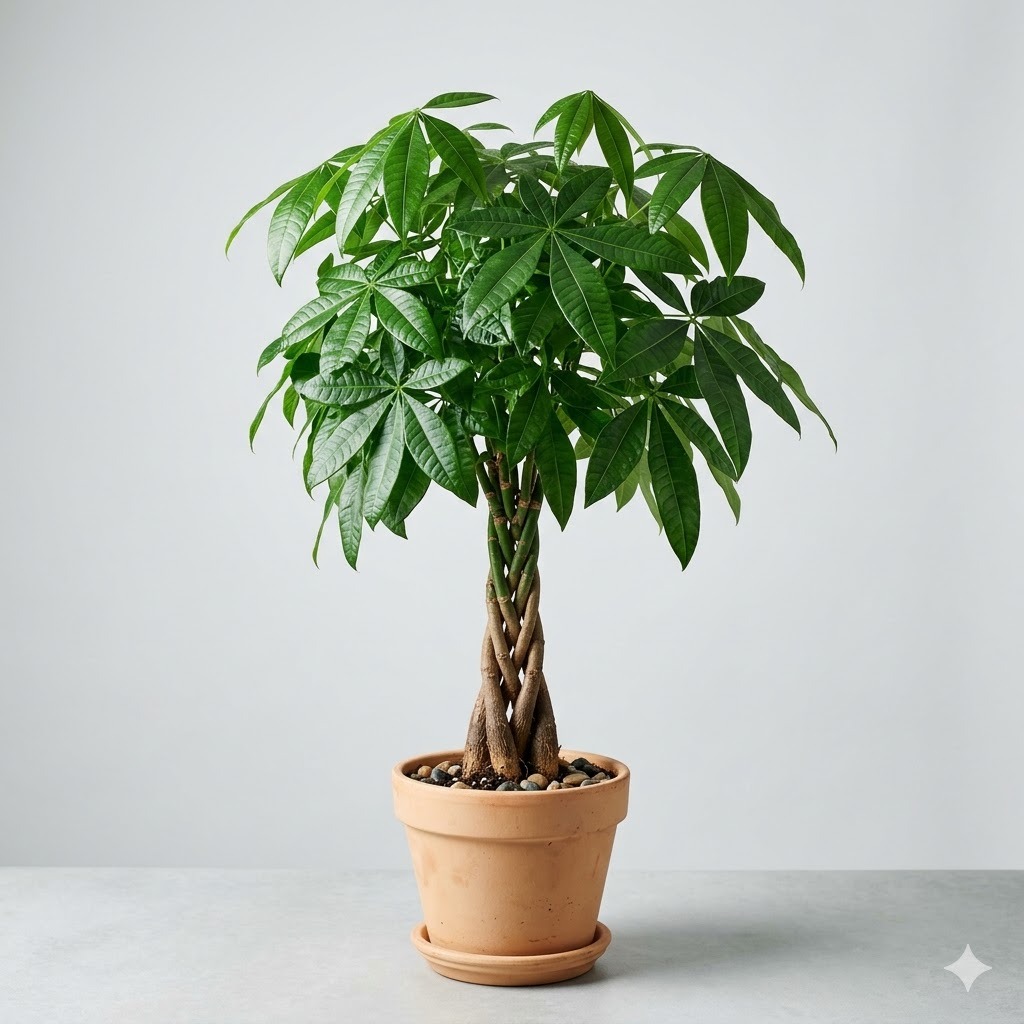 🪴
🪴 Non-toxic.
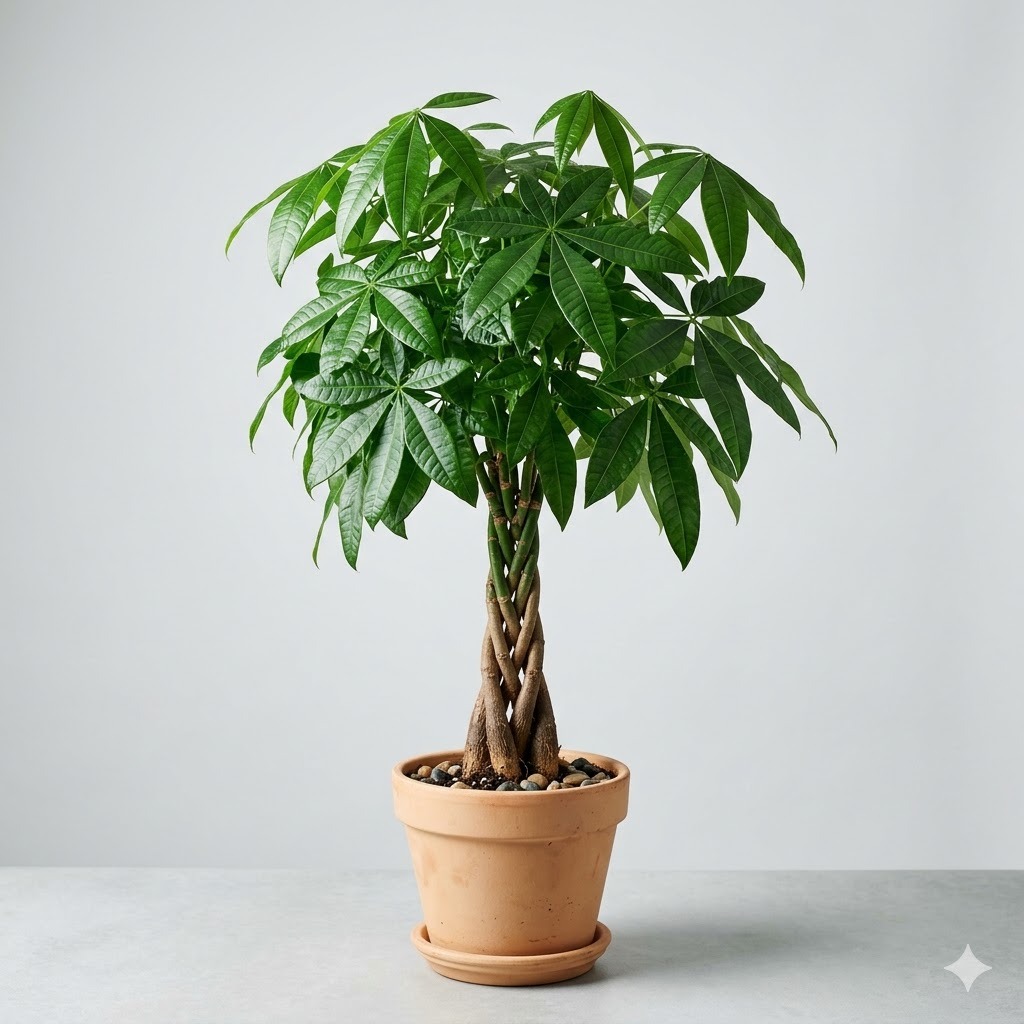 🪴
🪴 Non-toxic flowering houseplant.
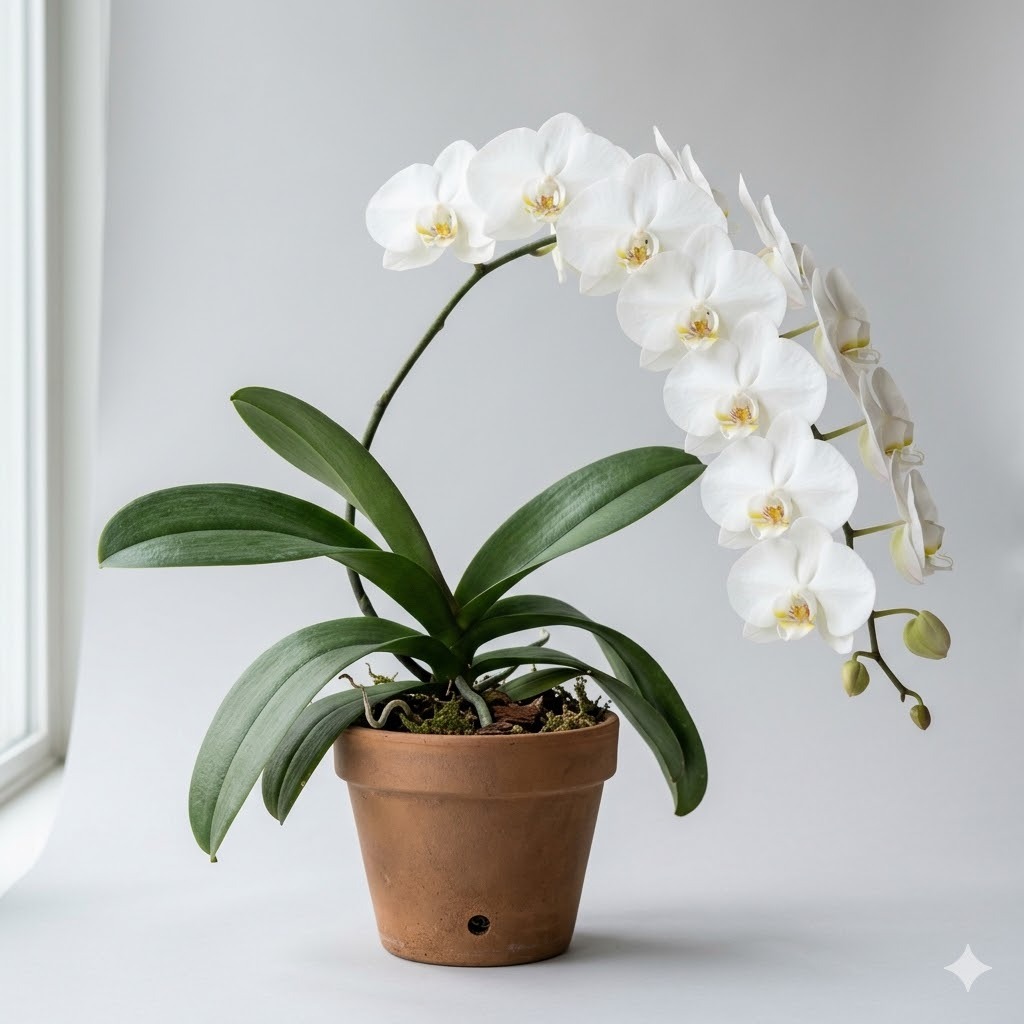 🪴
🪴 Non-toxic - moth orchids are pet-safe.
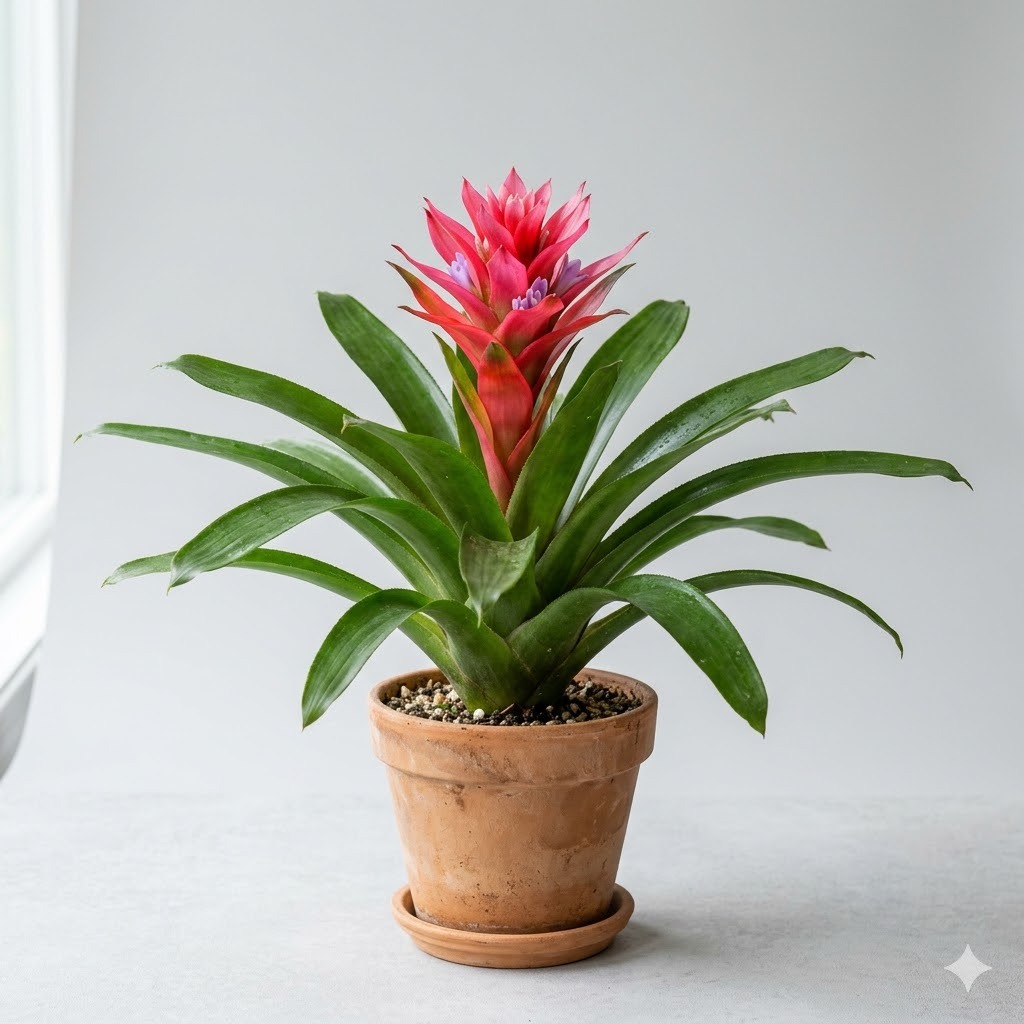 🪴
🪴 Non-toxic and colourful.
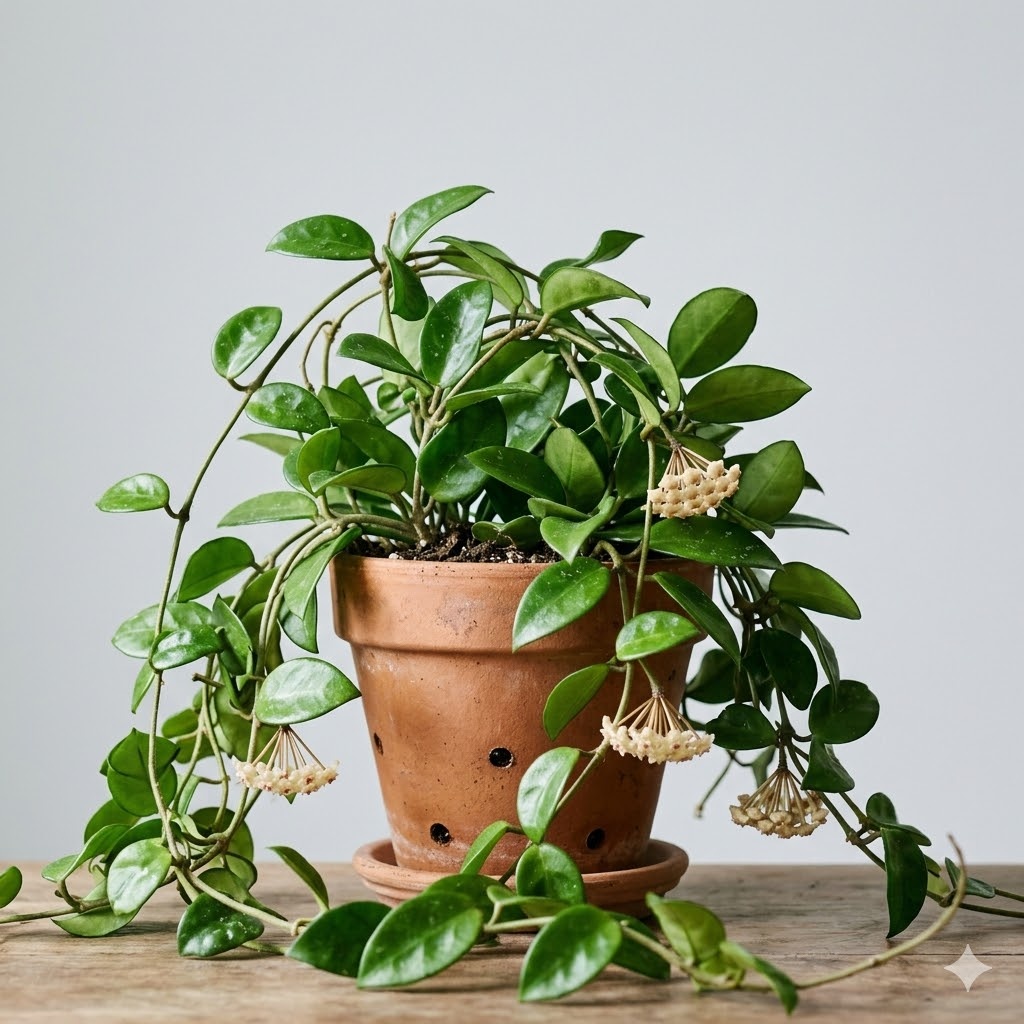 🪴
🪴 Non-toxic trailing plant.
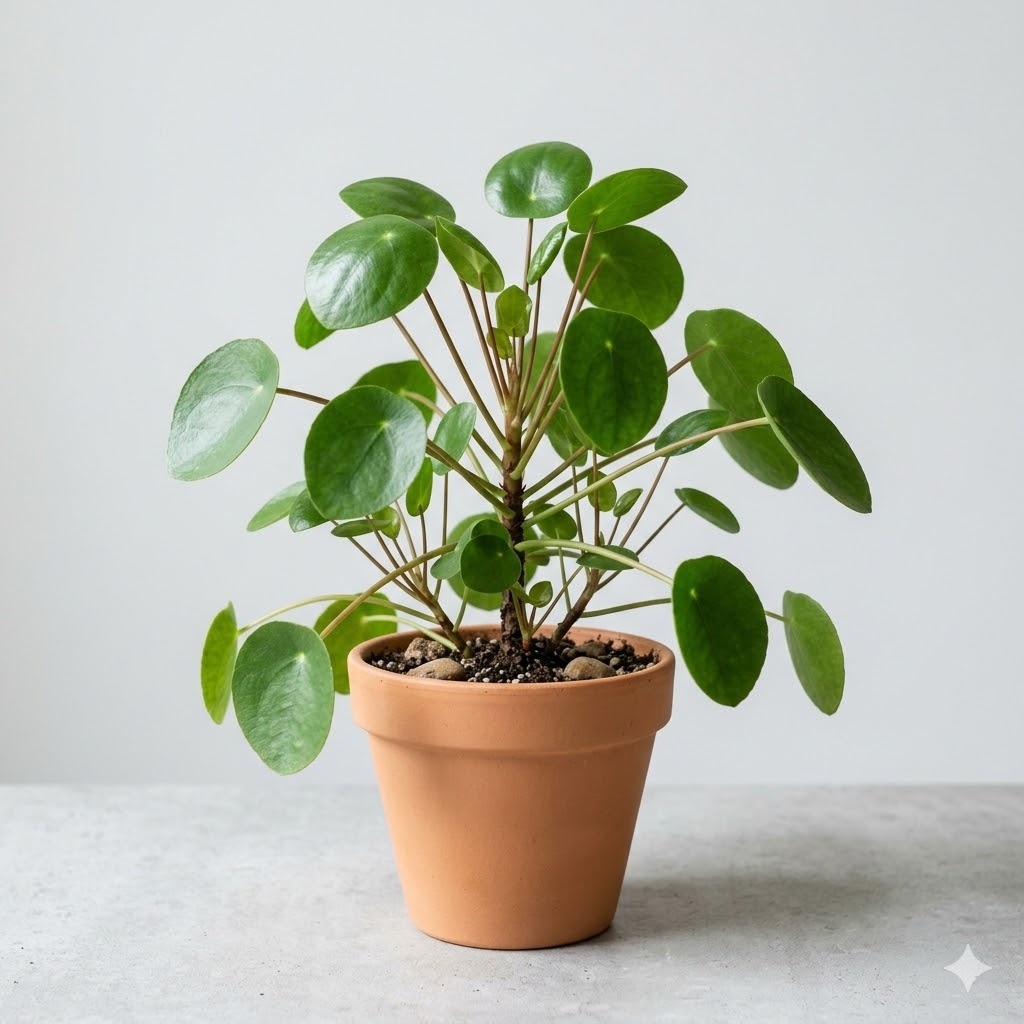 🪴
🪴 Non-toxic and easy to propagate.
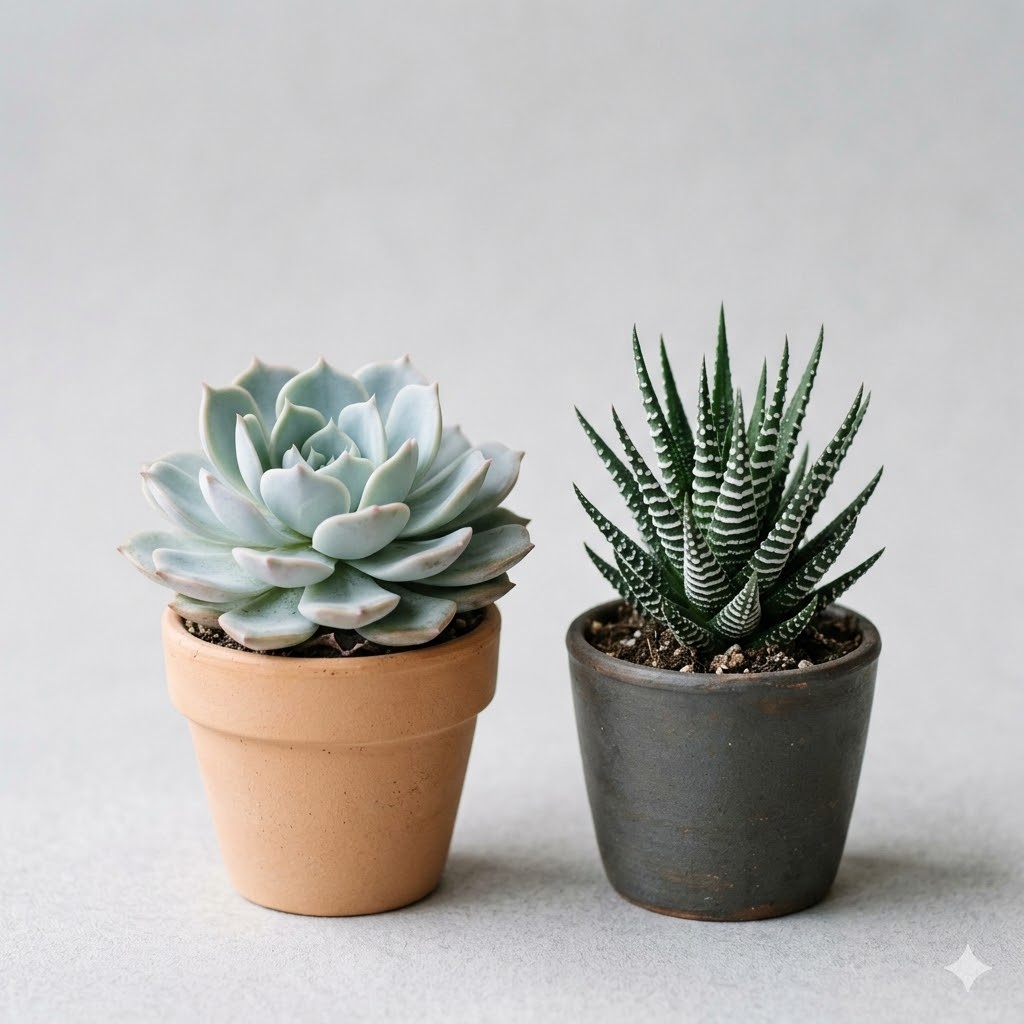 🪴
🪴 These common succulents are non-toxic (unlike Jade and Aloe).
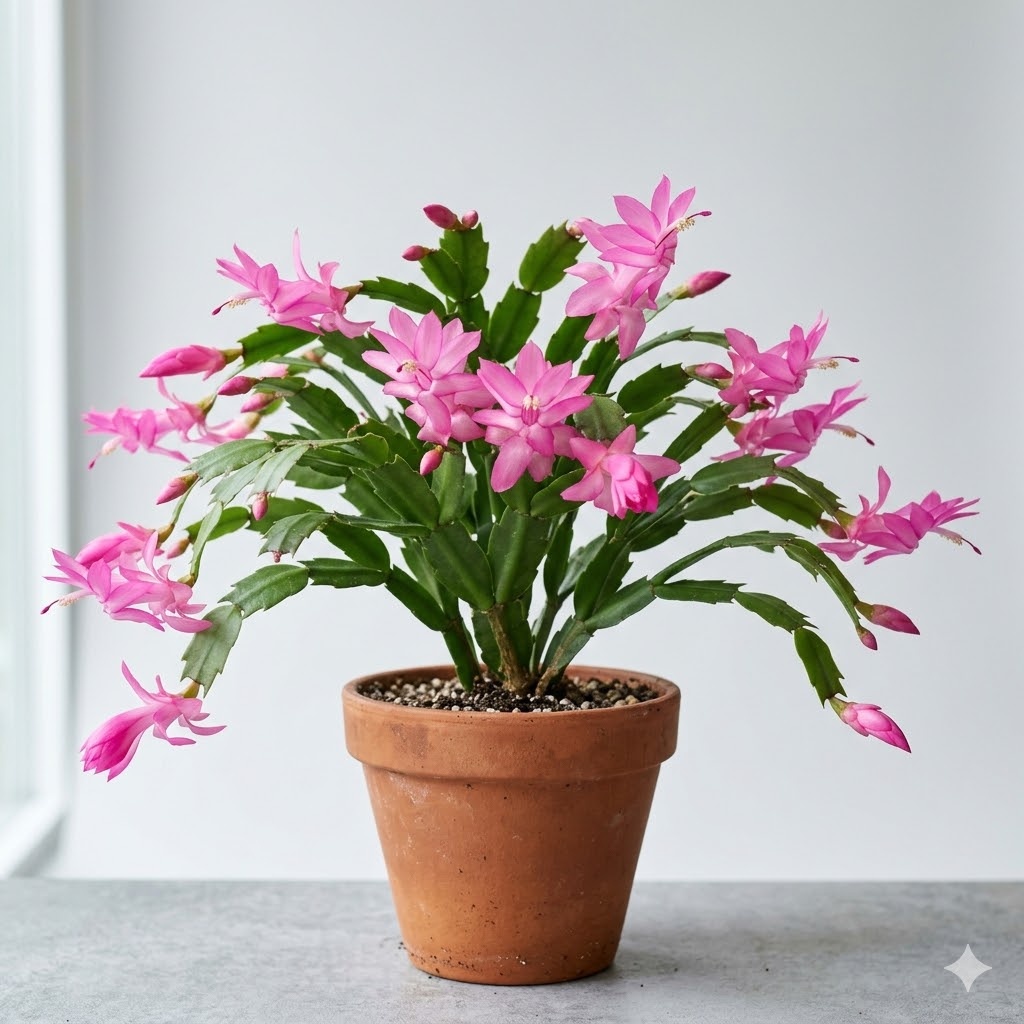 🪴
🪴 Non-toxic, though the fibrous parts can cause mild upset if gorged on.
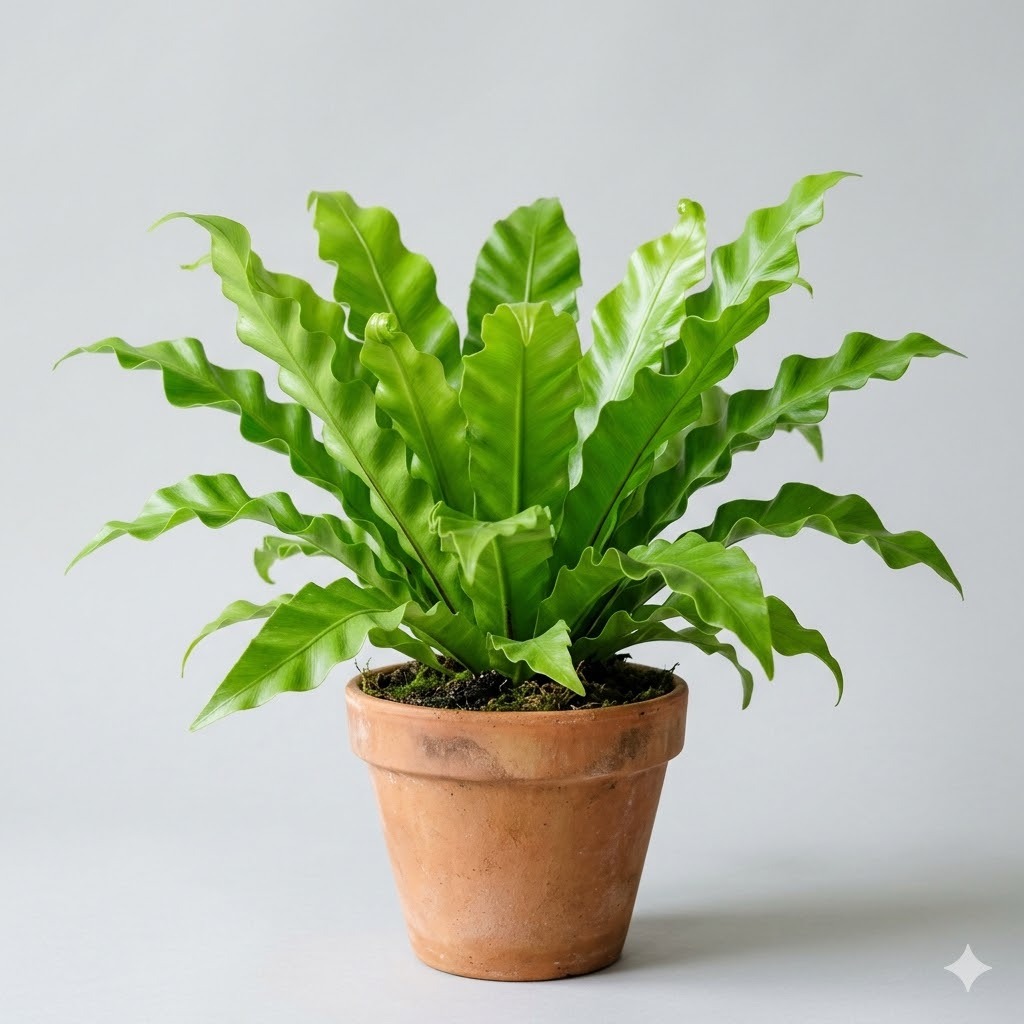 🪴
🪴 Non-toxic.
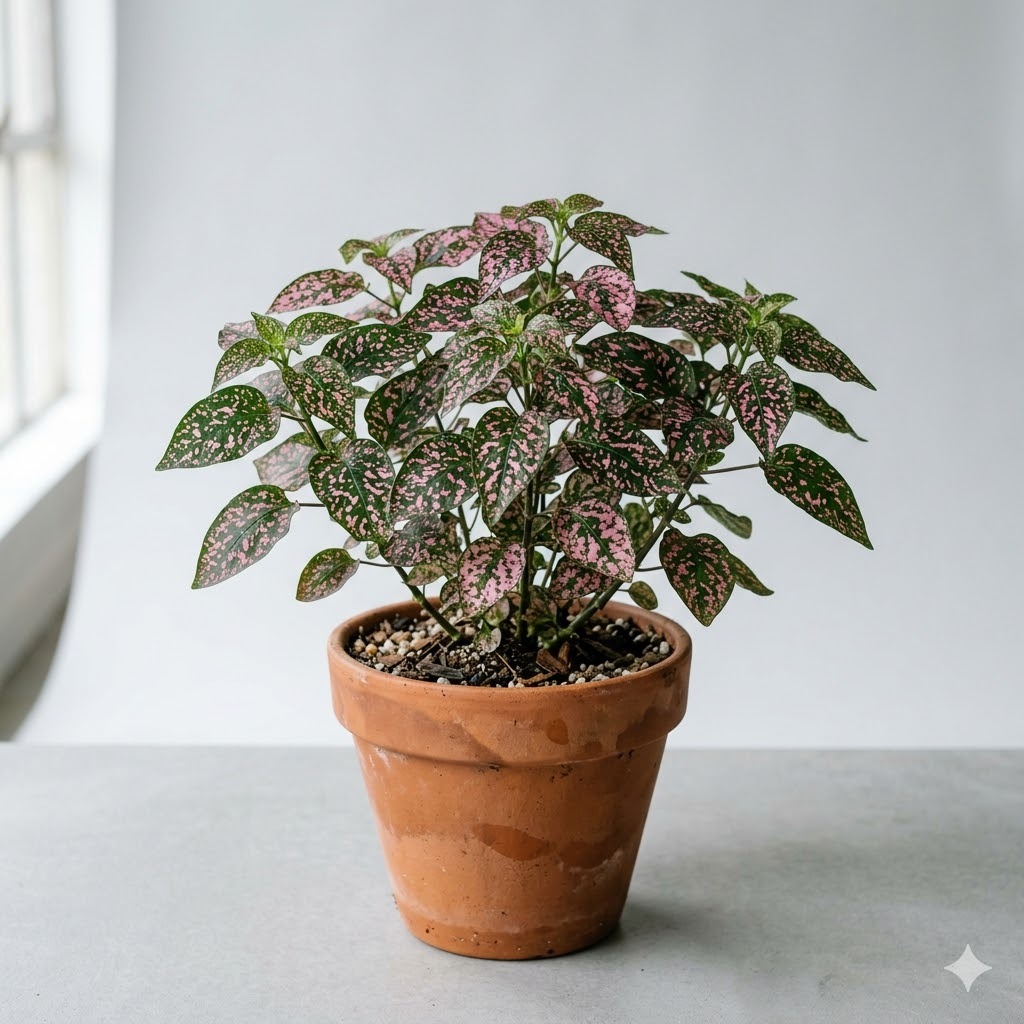 🪴
🪴 Non-toxic and pet-friendly.
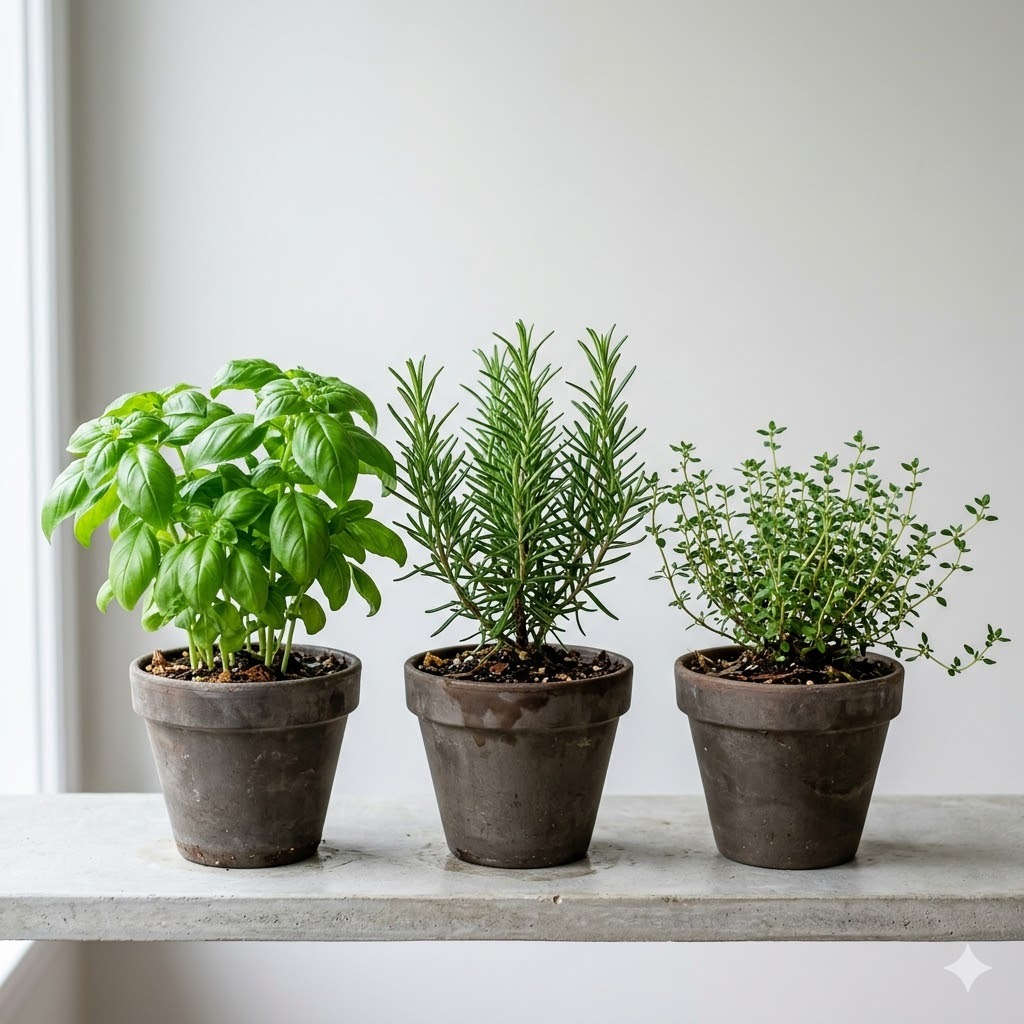 🪴
🪴 These kitchen herbs are non-toxic to pets.
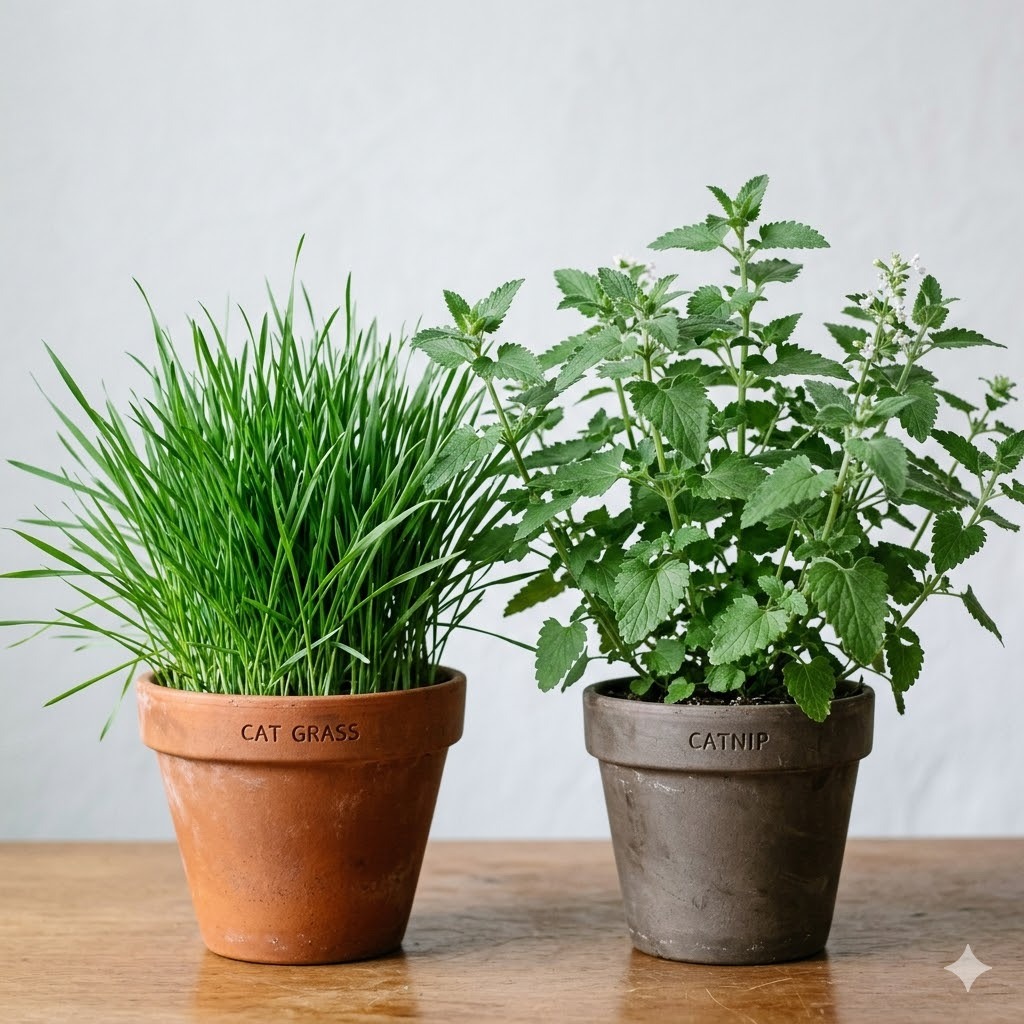 🪴
🪴 Safe and actually made for cats - a good redirect for plant-chewers.
No plants match that search. Clear
⚠️ This list covers common houseplants and follows the ASPCA poison-control classifications, but it isn't exhaustive and isn't a substitute for veterinary advice. Individual pets and doses vary, "non-toxic" doesn't mean a big helping won't cause an upset, and identification matters - many plants share common names. If you're unsure or your pet has eaten something, call your vet or a pet poison helpline.