🐾 Smart pet care, real pet parent NEW 50+ buyer guides published πŸ“© Weekly newsletter As an Amazon Associate we earn from qualifying purchases
Home/ Pets/ Amphibians/ African Dwarf Frog

African Dwarf Frog

The African Dwarf Frog (Hymenochirus boettgeri and related) is a small fully aquatic frog often kept in tropical aquariums.

🐸
🐾
Coming soon
πŸ“Ί Video guide in production

African Dwarf Frog β€” the full video guide

Coming soon. Subscribe to the newsletter to get notified when this video drops.

Lifespan
5–8 years
Category
Amphibians
Difficulty
See care section

Overview

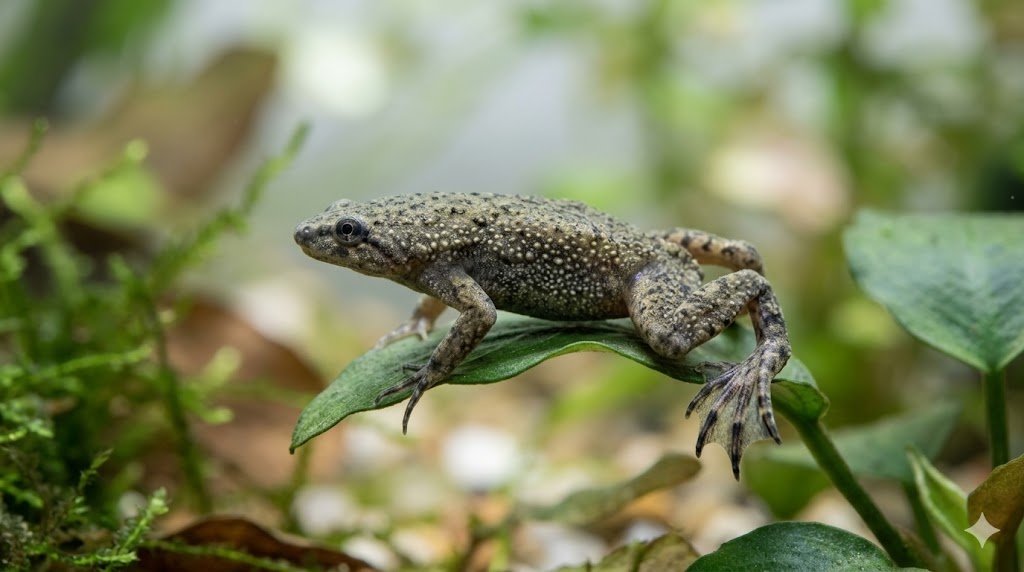
The African Dwarf Frog (Hymenochirus boettgeri and related) is a small fully aquatic frog often kept in tropical aquariums. They are entirely aquatic, social, and live well in groups. Often confused with the larger and predatory African Clawed Frog.

Natural History

Native to equatorial Africa. Fully aquatic β€” never leave water. Lives in still or slow-moving freshwater.

Appearance

Adults 3–4 cm length. Grey-brown speckled colour. Four webbed feet β€” all four have webbing (Clawed Frogs have webbing only on hind feet).

Temperament & Handling

Calm, social. Never handle β€” fully aquatic species; lift only briefly with a soft net if essential.

Enclosure

Minimum: 40 L (10 gallon) for 2–3 frogs.

Provide:

  • Calm filtration (gentle flow only).
  • Live or silk plants.
  • Hides.
  • Tight lid (they can jump out at water surface).

Heating, Lighting, Humidity

  • Water temperature: 22–26Β°C. Heater required in most homes.
  • Soft lighting.

Diet

Carnivorous. Frozen bloodworms, brine shrimp, sinking carnivore pellets. Surface-feed; floating food may not reach them.

Health & Lifespan

5 years (some 10+).

Common concerns:

  • Chytrid fungus β€” devastating amphibian disease.
  • Bacterial infections.
  • Bloat.

Pros & Cons

Pros: sociable, peaceful, small space, attractive in planted tanks. Cons: short-lived; sensitive to water quality.

FAQ

African Dwarf vs Clawed Frog? Dwarf: small (4 cm max), peaceful, fully webbed feet. Clawed: large (12+ cm), aggressive predator, only hind feet webbed.

Can they live with fish? Sometimes β€” small peaceful fish (small tetras). Avoid fast-feeding fish (the frogs starve).

How long do they live? 5 years on average; some over 10.

Do they need land? No β€” fully aquatic.

Can I handle them? No. Permeable skin absorbs oils and chemicals.

🎬 YOUTUBE LONG-FORM SCRIPT

Working title

The African Dwarf Frog β€” The Tiny Aquatic Frog

Estimated length

10–11 minutes

Thumbnail concept

African dwarf frog floating in tank with plants. Caption: "SMALL β€” BUT NOT FOR BOWLS".

Thumbnail Image Prompt

Underwater photograph of an African dwarf frog floating with limbs spread, small brown body, large dark eyes, soft underwater plant background, gentle natural lighting, 85mm lens at f/2.5, professional aquatic photography, peaceful expression.

Description with timestamps

The African dwarf frog is a tiny fully aquatic frog often sold in bowls β€” and that is exactly what they should not be in. Today: complete African dwarf frog care.

⏱ Timestamps 00:00 Intro Hook 01:00 Origin: Sub-Saharan Africa 02:30 Setup: Proper Aquarium 04:00 Diet: Sinking Foods, Live, Frozen 05:30 Social: Always Groups 07:00 Health: Bacterial, Stress 08:30 3 Biggest Mistakes New Owners Make 10:00 Are African Dwarf Frogs Right For You? 11:00 Outro

πŸ”” Subscribe for a new species each week.

00:00–01:00 INTRO HOOK

"African dwarf frogs are small fully-aquatic frogs sold in pet shops worldwide β€” often in tiny bowls or 'frog habitats' that are wholly inadequate. Done properly, they are charming social pets. Today: complete African dwarf frog care."

01:00–02:30 ORIGIN: SUB-SAHARAN AFRICA

"African dwarf frogs (Hymenochirus boettgeri and related species) are native to slow-moving water bodies in sub-Saharan Africa. Fully aquatic β€” never leave water. Often confused with African clawed frogs (Xenopus laevis), which grow much larger and are invasive in many places."

02:30–04:00 SETUP: PROPER AQUARIUM

"Tank minimum: 40 litres for a group of 3–4 frogs. Filtration: gentle. Substrate: smooth gravel or sand. Temperature: 24–28Β°C. Heater needed. Lid required β€” frogs can jump out. Plants and hides essential. Cycled tank before introducing frogs."

04:00–05:30 DIET: SINKING FOODS, LIVE, FROZEN

"Sinking pellets, bloodworms, brine shrimp, daphnia. Feed 3–4 times weekly. Frogs are slow eaters and lose food competitions with fish."

05:30–07:00 SOCIAL: ALWAYS GROUPS

"African dwarf frogs are social. Minimum group of three. Solo frogs become inactive and depressed."

07:00–08:30 HEALTH: BACTERIAL, STRESS

"Lifespan 5–8 years. Bacterial infections from poor water. Bloating. Fungal infections. Find an exotics/aquatic vet."

08:30–10:00 3 BIGGEST MISTAKES NEW OWNERS MAKE

"Mistake one: 'frog habitats' too small. Cause early death. How to avoid: 40+ litre aquarium. Mistake two: mixing with fish that out-compete for food. How to avoid: frog-only or carefully selected slow-feeding tank mates. Mistake three: cold water. How to avoid: heater set to 24–28Β°C."

10:00–11:00 ARE AFRICAN DWARF FROGS RIGHT FOR YOU?

"Checklist: 40+ litre tank. Group housing planned. Heater and gentle filter. Aquatic vet identified. 5-8 year commitment. Tick four β€” these frogs are wonderful."

11:00–11:30 OUTRO AND CTA

"That is the African dwarf frog β€” small aquatic charm. Often misold. Wonderful when done right. Next species? Comment below. Subscribe and the bell. Next week: the Pacman frog β€” the round ambush predator." (End screen: subscribe button, 'watch next: Pacman Frog' thumbnail, channel logo)

One smart pet email a week.

Vet-reviewed care, training, and gear. No spam, unsubscribe in one click.

🐢
🐱
🐰