🐾 Smart pet care, real pet parent NEW 50+ buyer guides published πŸ“© Weekly newsletter As an Amazon Associate we earn from qualifying purchases
Home/ Pets/ Amphibians/ Pacman Frog (Horned Frog)

Pacman Frog (Horned Frog)

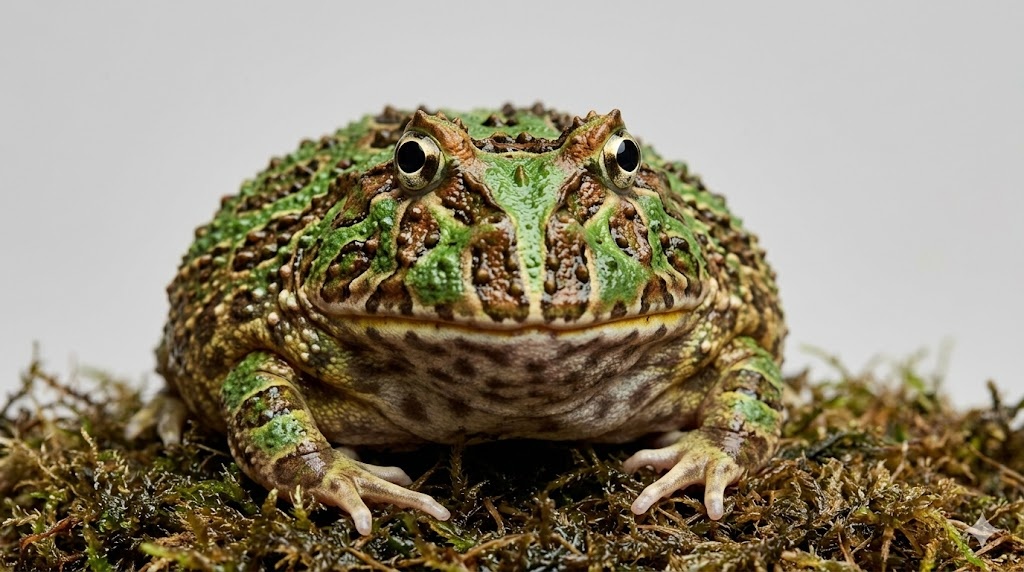
The Pacman Frog (Ceratophrys species) is a large terrestrial South American frog named for the round shape and enormous mouth that recalls the video game character.

🐸
🐾
Coming soon
πŸ“Ί Video guide in production

Pacman Frog (Horned Frog) β€” the full video guide

Coming soon. Subscribe to the newsletter to get notified when this video drops.

Lifespan
6–10 years
Category
Amphibians
Difficulty
See care section

Overview

The Pacman Frog (Ceratophrys species) is a large terrestrial South American frog named for the round shape and enormous mouth that recalls the video game character. Almost entirely sit-and-wait predators, Pacman Frogs spend their lives partially buried, ambushing anything that moves past β€” including unwary aquarium mates.

Natural History

Multiple species in the Ceratophrys genus, native to South America. Spend most of life partly buried.

Appearance

Adults 10–18 cm length (females larger). Round body, enormous head and mouth.

Colours: green, brown, yellow, albino, blue, lemon-blue, "fantasy" hybrids.

Temperament & Handling

Not for handling. Bites can be powerful β€” Pacman Frogs latch and don't let go.

Enclosure

Minimum: 40 Γ— 30 Γ— 30 cm β€” Pacman Frogs don't move much.

Provide:

  • Deep moist substrate (coco fibre, sphagnum moss) for burrowing.
  • Shallow water dish.
  • Hides.

Heating, Lighting, Humidity

  • Temperature: 24–28Β°C day; 22–25Β°C night.
  • Humidity: 60–80%.
  • Low/dim lighting.

Diet

Carnivore. Insects (large crickets, dubia roaches, hornworms), occasional mice for adults. Feed weekly.

Calcium + D3 supplement on prey.

Health & Lifespan

6–10 years.

Common concerns:

  • Obesity from over-feeding.
  • Metabolic bone disease.
  • Impaction from inappropriate substrate.
  • Eye injuries.

Pros & Cons

Pros: small space, low maintenance, striking appearance. Cons: sedentary (mostly buried), can bite.

FAQ

Why "Pacman"? The round body and oversized mouth resemble the video game character.

Do they really eat anything? Almost. Insects, frogs, lizards, small mice. Never house with anything they can fit in their mouth β€” including other Pacman Frogs.

How long do they live? 6–10 years.

Are they good for kids? Older children β€” for observation, not handling.

🎬 YOUTUBE LONG-FORM SCRIPT

Working title

The Pacman Frog β€” The Round Ambush Predator

Estimated length

10–11 minutes

Thumbnail concept

Bright green pacman frog with huge mouth visible. Caption: "ALL MOUTH".

Thumbnail Image Prompt

Studio photograph of a bright green Pacman frog (Ceratophrys) with its characteristic huge mouth slightly open, round stocky body, prominent eyes, sitting on moist substrate, soft jungle-green background, gentle natural lighting, 85mm lens at f/2.5, professional pet amphibian photography.

Description with timestamps

The Pacman frog is a large round South American horned frog with an enormous mouth and an ambush-predator lifestyle. Today: complete Pacman frog care.

⏱ Timestamps 00:00 Intro Hook 01:00 Origin: South American Wetlands 02:30 Setup: Simple Tropical Vivarium 04:00 Diet: Carnivore, Whole Prey 05:30 Handling: Observation Only 07:00 Health: Impaction, Skin, MBD 08:30 3 Biggest Mistakes New Owners Make 10:00 Is a Pacman Right For You? 11:00 Outro

πŸ”” Subscribe for a new species each week.

00:00–01:00 INTRO HOOK

"Pacman frogs are large round South American horned frogs. They are ambush predators that spend most of their lives partially buried, waiting for prey to walk past their enormous mouths. They are also one of the easiest amphibians to keep correctly. Today: complete Pacman care."

01:00–02:30 ORIGIN: SOUTH AMERICAN WETLANDS

"Several species in the genus Ceratophrys, including the ornate horned frog and Cranwell's horned frog. Native to South American wetlands. Captive-bred extensively. Many colour morphs exist."

02:30–04:00 SETUP: SIMPLE TROPICAL VIVARIUM

"Tank: 40 Γ— 40 Γ— 40 cm for one adult. Substrate: damp coconut fibre or sphagnum. Temperature: 24–28Β°C day, 21–24Β°C night. Humidity: 60–80%. Shallow water dish β€” large enough for the frog to soak but not deep. Hides and live or fake plants. Single housing β€” Pacman frogs eat tank mates."

04:00–05:30 DIET: CARNIVORE, WHOLE PREY

"Carnivore. Whole prey. Insects: crickets, dubia roaches, hornworms. Occasional whole prey: fish, pinkie mice (avoid in juveniles). Feeding schedule: juveniles every 2 days, adults weekly. Dust feeders with calcium and vitamin."

05:30–07:00 HANDLING: OBSERVATION ONLY

"Pacman frogs should be handled only when necessary. Their skin absorbs chemicals through contact. Wet hands with dechlorinated water before any handling. Beware the bite β€” Pacman frogs strike at anything that moves."

07:00–08:30 HEALTH: IMPACTION, SKIN, MBD

"Lifespan 6–10 years. Impaction from inappropriate substrate. Metabolic bone disease from poor calcium. Skin infections from poor humidity or contamination. Find an exotics vet."

08:30–10:00 3 BIGGEST MISTAKES NEW OWNERS MAKE

"Mistake one: gravel or sand substrate. Impaction. How to avoid: coconut fibre or sphagnum. Mistake two: overfeeding. Obesity. How to avoid: adult feeding weekly only. Mistake three: handling without wet hands. How to avoid: wet dechlorinated hands always."

10:00–11:00 IS A PACMAN RIGHT FOR YOU?

"Checklist: 40 cm tank. Whole prey feeding feasible. Humidity control. Exotics vet identified. 6-10 year commitment. Tick four β€” Pacman frogs are excellent."

11:00–11:30 OUTRO AND CTA

"That is the Pacman frog β€” round, hungry, ambush specialist. One of the easiest amphibians to keep. Next species? Comment below. Subscribe and the bell. Next week: the White's tree frog β€” the gentle arboreal." (End screen: subscribe button, 'watch next: White's Tree Frog' thumbnail, channel logo)

One smart pet email a week.

Vet-reviewed care, training, and gear. No spam, unsubscribe in one click.

🐢
🐱
🐰