🐾 Smart pet care, real pet parent NEW 50+ buyer guides published πŸ“© Weekly newsletter As an Amazon Associate we earn from qualifying purchases
Home/ Pets/ Amphibians/ White's Tree Frog

White's Tree Frog

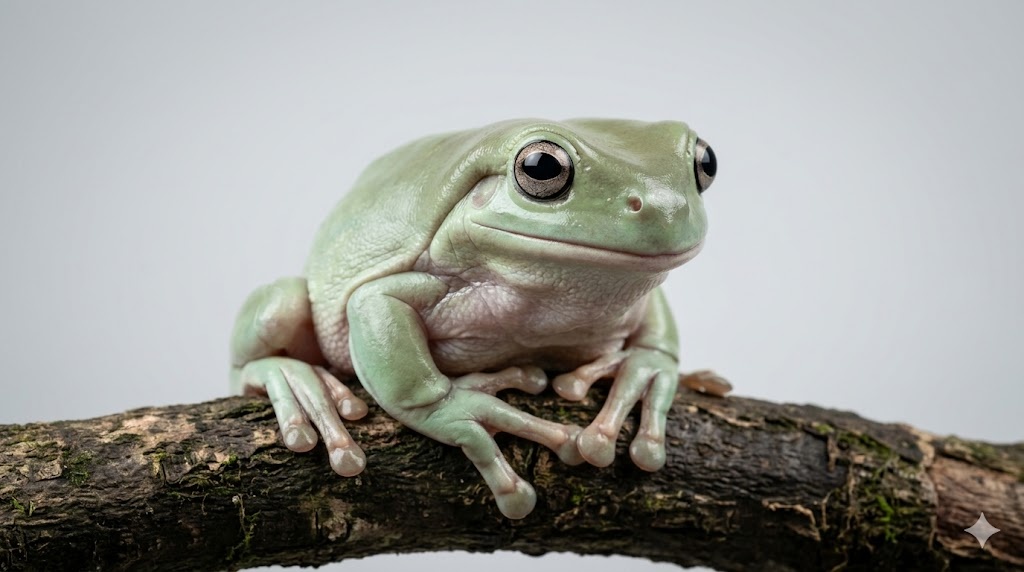
White's Tree Frog (Ranoidea caerulea) β€” also called the Australian Green Tree Frog or "Dumpy Tree Frog" β€” is one of the most popular pet frogs, known for a permanent "smile" and chubby appearance.

🐸
🐾
Coming soon
πŸ“Ί Video guide in production

White's Tree Frog β€” the full video guide

Coming soon. Subscribe to the newsletter to get notified when this video drops.

Lifespan
15–20 years
Category
Amphibians
Difficulty
See care section

Overview

White's Tree Frog (Ranoidea caerulea) β€” also called the Australian Green Tree Frog or "Dumpy Tree Frog" β€” is one of the most popular pet frogs, known for a permanent "smile" and chubby appearance. Among the most tolerant amphibians for occasional handling.

Natural History

Native to Australia and New Guinea. Nocturnal arboreal frog. Lives near water in forest and suburban areas.

Appearance

Adults 8–12 cm length. Bright green to blue-green, with characteristic chunky body (fat deposits in cheeks and supraorbital ridges).

Temperament & Handling

Calm. Better tolerates brief careful handling than most amphibians, but skin sensitivity remains β€” wash hands thoroughly, no soap or lotion residue, keep handling brief.

Enclosure

Minimum: 45 Γ— 45 Γ— 60 cm vertical for 1–2 adults.

Provide:

  • Branches and vines for climbing.
  • Live or fake plants.
  • Large shallow water dish.
  • Moist substrate.

Heating, Lighting, Humidity

  • Day: 24–28Β°C.
  • Night: 20–24Β°C.
  • Humidity: 60–70%.
  • Daytime UVB beneficial.

Diet

Insects: crickets, roaches, mealworms (occasional). Adults eat every 3–4 days.

Avoid: wax worms (fatty), pinky mice (cause obesity).

Health & Lifespan

15–20 years.

Common concerns:

  • Obesity β€” very common.
  • Chytrid fungus.
  • Metabolic bone disease.

Pros & Cons

Pros: large, calm, tolerates handling better than most frogs, 15-20 year companion. Cons: nocturnal; prone to obesity.

FAQ

Why so chubby? The species naturally has fat deposits in cheeks and brow. Captive frogs often become overweight from over-feeding.

How long do they live? 15–20 years.

Can I handle them? Briefly, with clean wet hands. Better as observation pets.

Are they good for kids? Older children β€” for observation with rare gentle handling.

🎬 YOUTUBE LONG-FORM SCRIPT

Working title

White's Tree Frog β€” The Gentle Arboreal

Estimated length

10–11 minutes

Thumbnail concept

White's tree frog with gentle smiling face on branch. Caption: "THE SMILING FROG".

Thumbnail Image Prompt

Studio photograph of a White's tree frog perched on a branch, soft blue-green skin with chubby cheeks and characteristic smile expression, large round eyes with horizontal pupils, soft natural background, gentle warm lighting, 85mm lens at f/2.5, professional pet amphibian photography, sweet calm expression.

Description with timestamps

White's tree frog is one of the most beginner-friendly amphibians β€” large, gentle, smiling, tolerant of handling. Today: complete White's tree frog care.

⏱ Timestamps 00:00 Intro Hook 01:00 Origin: Australia and New Guinea 02:30 Setup: Tall Arboreal Vivarium 04:00 Diet: Insectivore 05:30 Handling and Temperament 07:00 Health: Obesity, Chytrid 08:30 3 Biggest Mistakes New Owners Make 10:00 Are White's Tree Frogs Right For You? 11:00 Outro

πŸ”” Subscribe for a new species each week.

00:00–01:00 INTRO HOOK

"White's tree frogs are large, gentle, beginner-friendly tree frogs from Australia and New Guinea. They are known for their famously smiley faces and calm tolerance of gentle handling. Today: complete White's tree frog care."

01:00–02:30 ORIGIN: AUSTRALIA AND NEW GUINEA

"White's tree frog (Litoria caerulea, also known as the dumpy tree frog) is native to Australia and New Guinea. Captive-bred extensively. Standard and 'snowflake' colour morphs available. Adults reach 10–12 cm β€” large for a tree frog. Lifespan 15–20 years."

02:30–04:00 SETUP: TALL ARBOREAL VIVARIUM

"Tank: 60 Γ— 45 Γ— 60 cm tall for one adult, larger for groups. Substrate: coconut fibre. Plenty of branches and live or fake plants. Temperature: 24–28Β°C day, 20–22Β°C night. Humidity: 50–70%. Mist daily. Shallow water dish. Lid secure."

04:00–05:30 DIET: INSECTIVORE

"Insectivore. Crickets, dubia roaches, hornworms, mealworms (occasional). Feeding schedule: juveniles every 1–2 days, adults 2–3 times weekly. Dust with calcium and vitamin."

05:30–07:00 HANDLING AND TEMPERAMENT

"Tolerates handling more than most amphibians, but handling should still be minimal β€” skin absorbs chemicals. Wet hands with dechlorinated water. Short sessions only."

07:00–08:30 HEALTH: OBESITY, CHYTRID

"Lifespan 15–20 years. Obesity from overfeeding. Chytrid fungus. Bacterial infections. Find an exotics vet."

08:30–10:00 3 BIGGEST MISTAKES NEW OWNERS MAKE

"Mistake one: overfeeding. Causes obesity. How to avoid: adult feeding 2–3 times weekly only. Mistake two: tap water without dechlorination. Toxic to amphibians. How to avoid: dechlorinated water always. Mistake three: small horizontal vivarium. How to avoid: tall arboreal setup."

10:00–11:00 ARE WHITE'S TREE FROGS RIGHT FOR YOU?

"Checklist: Tall vivarium. Insect feeding feasible. Humidity and temperature control. Exotics vet identified. 15-20 year commitment. Tick four β€” White's tree frogs are excellent."

11:00–11:30 OUTRO AND CTA

"That is White's tree frog β€” smiling gentle arboreal. One of the best beginner amphibians. Next species? Comment below. Subscribe and the bell. Next week: the fire-bellied toad β€” the small colourful Asian amphibian." (End screen: subscribe button, 'watch next: Fire-Bellied Toad' thumbnail, channel logo)

One smart pet email a week.

Vet-reviewed care, training, and gear. No spam, unsubscribe in one click.

🐢
🐱
🐰