Munchkin
The Munchkin is a controversial short-legged cat breed - the feline equivalent of the Dachshund.
🗓️ Last reviewed: June 2026
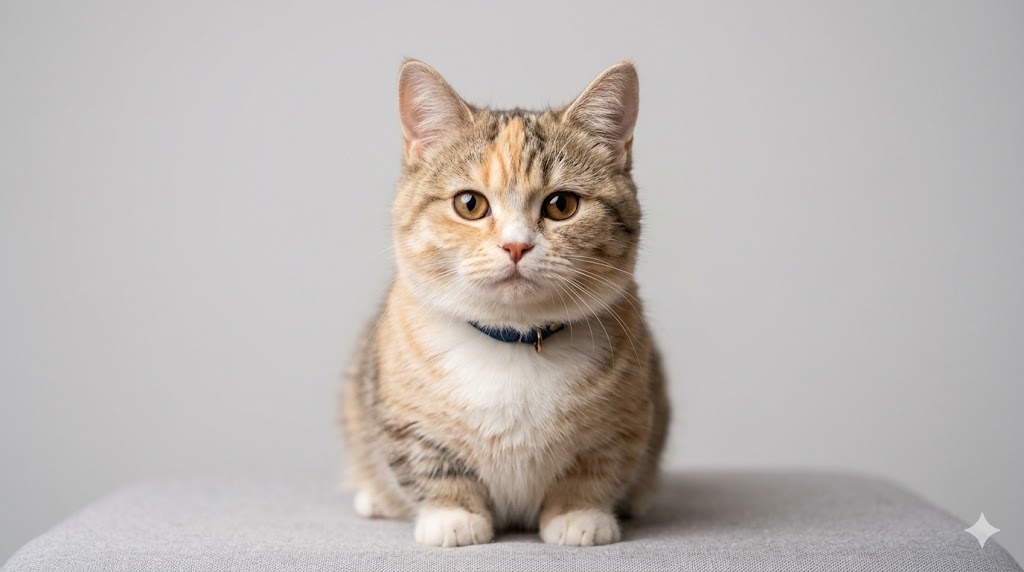
Overview
The Munchkin is a controversial short-legged cat breed - the feline equivalent of the Dachshund. The defining trait is achondroplasia (dwarfism) producing distinctly short legs while keeping a normal body. The breed is friendly and active but controversial: many cat registries refuse to recognise it due to welfare concerns about the genetic mutation.
History & Origins
Short-legged cats have appeared spontaneously in various populations. The modern Munchkin breed was developed in Louisiana from a short-legged stray named Blackberry, found in 1983. TICA recognition came in 1995. The CFA, GCCF, and several European registries refuse recognition on welfare grounds.
The short-leg gene is dominant. Homozygous Munchkin kittens (two copies) die in utero - every Munchkin is heterozygous.
Appearance
Medium-sized body, short legs. Adults weigh 2.5-4.5 kg (5-10 lb).
- Coat: short or long.
- Colour: all colours.
- Legs: distinctly short - half the length of normal cat legs. The body is normal proportion.
Temperament & Character
Friendly, playful, active. Despite short legs, Munchkins run, jump, climb, and play normally - though they cannot reach the same heights as long-legged cats.
Care
Standard cat care. Coat varies by variety.
Health & Lifespan
12-15 years.
Common concerns:
- Lordosis (excessive spinal curve) - same gene risk as Dachshunds.
- Pectus excavatum - chest wall deformity.
- Standard cat genetic conditions depending on outcross breeds.
The breed's welfare debate centres on whether short-leg breeding causes systemic skeletal issues comparable to the Scottish Fold gene.
Pros & Cons
Pros: friendly, distinctive, playful. Cons: welfare controversy, some skeletal risks, not recognised by many registries.
Munchkin - frequently asked questions
Is the Munchkin healthy?
Most live normal lives; some have spinal or chest issues. Less severe than Scottish Fold gene problems, but still controversial.
Why don't all cat associations recognise the breed?
Welfare concerns about breeding for a structural mutation. CFA and several others refuse recognition.
🧠 Test yourself: guess the cat
Three clues from our quiz bank, each about another of our cats. Can you name them?
Clue 1.This domestic cat was created by crossing house cats with a small wild Asian feline, producing a pet with a strikingly spotted or marbled coat.
It's the Bengal - read the full profile →
Clue 2.Legend says this color-pointed cat earned its pure white paws, like gloves, as a blessing from a temple goddess in old Burma.
It's the Birman - read the full profile →
Clue 3.Famously curious and energetic, this short-haired breed is nicknamed the clown of the cat world and loves climbing to the highest perch in the room.
It's the Abyssinian - read the full profile →
💛 Adoptable Munchkins near you
Real cats of this breed (and close mixes) waiting in shelters and rescues right now, live from Petfinder. We have no affiliation and earn nothing - if someone catches your eye, the link goes straight to their shelter. New to adopting? Start with our adoption guide.
Widget not loading (some ad-blockers hide it)? Search directly on petfinder.com.