Persian
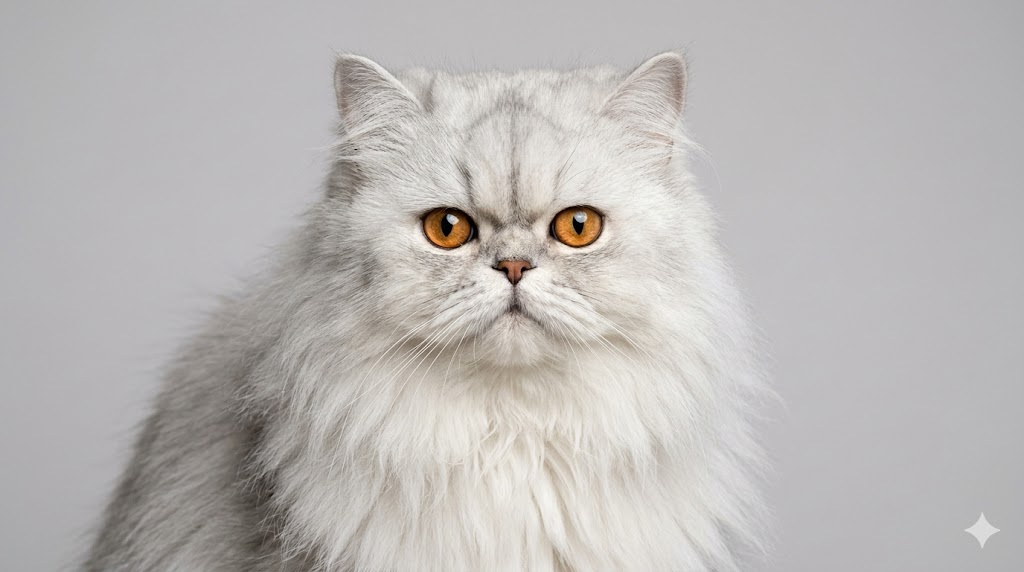
The Persian is the most iconic longhaired cat in the world - a flat-faced, round-eyed, profusely coated beauty that has been the symbol of cat aristocracy for over a century.
🗓️ Last reviewed: June 2026
Overview
The Persian is the most iconic longhaired cat in the world - a flat-faced, round-eyed, profusely coated beauty that has been the symbol of cat aristocracy for over a century. The breed's long history, distinctive appearance, and calm dignified temperament have made it consistently one of the most popular breeds globally. The modern flat-faced "Doll Face" and "Show Persian" types raise welfare concerns; "Traditional Persians" with longer muzzles offer a healthier alternative.
History & Origins
Persians descend from longhaired cats brought from Persia (modern Iran) to Italy in the 1620s by traveller Pietro della Valle. These cats were the first longhaired domestic cats Europeans had seen and became immediate aristocratic favourites. Queen Victoria kept two Persians, helping popularise the breed in Britain.
The CFA recognised the breed at its founding in 1906. Through the 20th century selective breeding gradually flattened the Persian face, increased coat length, and rounded the body. The "Peke-faced" extreme show type emerged in the 1960s; concerns about welfare have driven a return to less extreme conformation in many breeding programmes.
Appearance
Medium-sized, heavy-boned, long-coated, flat-faced. Adults weigh 3-6 kg (7-13 lb).
Key features:
- Coat: long, dense, fine, with a thick undercoat. Among the longest coats of any breed.
- Colour: virtually every cat colour and pattern - solid, tabby, parti-colour, calico, smoke, shaded, silver, golden, bicolour, pointed (Himalayan). Over 80 recognised varieties.
- Head: round, broad, with a short flat face in show types; longer muzzle in Traditional/Doll Face Persians.
- Eyes: large, round, prominent. Colour varies with coat (copper, blue, green, odd).
- Body: "cobby" - short, broad, heavy-boned, low-stationed.
- Ears: small, set wide and low, with rounded tips.
Temperament & Character
Calm, gentle, and dignified. The Persian is the textbook quiet cat - affectionate with family, reserved with strangers, and largely uninterested in athletic pursuits. The breed sleeps extensively, plays in short gentle bursts, and prefers a calm household.
Most Persians are not lap cats per se but enjoy being near their humans and accepting gentle attention. The breed is notably quiet - soft voices, infrequent meowing.
Care
Coat & Grooming
The most demanding cat coat. Brush daily with a long-toothed metal comb to prevent painful matting. Skipping even a few days produces felted mats that may require shaving.
Many pet owners maintain Persians in a "lion clip" or short pet trim - clipped to 3-5 cm all over every 6-8 weeks. This dramatically reduces brushing demands while keeping the breed comfortable.
Bathe monthly. Many Persians enjoy bathing if introduced young; bathing also helps control oil and dander.
The flat face requires daily attention. Wipe around the eyes daily - tear staining is universal and the prominent eyes drain constantly. Clean facial folds 2-3 times weekly. Clean ears monthly. Trim claws every 2 weeks. Brush teeth daily - dental disease is severe in brachycephalic cats.
Exercise & Enrichment
Modest. Daily play sessions with wand toys, accessible perches, and puzzle feeders. Persians are not athletic; tall cat trees are wasted on them, but a sunny window seat is appreciated.
Health & Lifespan
Average lifespan is 12-17 years.
Common concerns:
- Polycystic kidney disease (PKD) - historically very common (up to 40% of Persians). DNA test essential. Reputable breeders test all breeding cats.
- Brachycephalic syndrome - breathing difficulty, narrow nostrils, dental crowding. More severe in extreme "Peke-faced" types.
- Eye conditions - corneal ulcers, chronic tearing, entropion. Daily face care essential.
- Dental disease - universal without daily brushing.
- Hypertrophic cardiomyopathy (HCM).
- Skin fold dermatitis.
- Heat intolerance - flat face plus dense coat.
- Progressive retinal atrophy.
Feeding & Nutrition
Adults typically eat 50-80 g of quality cat food per day. The flat face makes eating awkward; many Persians benefit from a special kibble shape designed for brachycephalic breeds.
Wet food supports hydration and urinary health.
Living With
Litter
Standard provisions. The long coat catches litter; choose a low-dust dust-free clumping litter and trim the hair around the rear.
Multi-cat households
Most Persians are tolerant of other cats, especially when introduced young or to other calm breeds.
Indoor vs outdoor
Indoor-only. The flat face, dense coat, and slow movement make outdoor life dangerous.
Pros & Cons
Pros
- Calm, dignified, family-tolerant.
- Adapts to almost any household.
- Beautiful, iconic appearance.
- Long-lived when well-bred.
Cons
- Daily grooming non-negotiable (or short clip every 6-8 weeks).
- Brachycephalic health issues - flat-faced types worst.
- Chronic eye drainage.
- Heat-intolerant.
- PKD historically widespread; choose tested breeder.
Best Suited For
- Calm households.
- Apartment dwellers.
- Families with older children.
- Retirees.
- Owners committed to daily grooming or short-clipping.
Not suited for active households wanting an athletic cat, owners unable to commit to grooming, or hot-climate homes without air conditioning.
Persian - frequently asked questions
Doll Face vs Show Persian - what's the difference?
Doll Face (Traditional) Persians have longer muzzles closer to the original 1900s appearance, with fewer breathing and tearing problems. Show Persians are flatter, more extreme, and prone to more health issues. Doll Face is healthier; Show is the breed-ring style.
Are Persians good with kids?
With respectful older children, yes. The breed is calm and gentle but dislikes rough handling.
Do they shed?
Heavily - among the highest-shedding breeds. The dense undercoat produces vast amounts of loose hair.
How often do they need grooming?
Daily brushing for the long coat, or short clipping every 6-8 weeks plus weekly brushing. There is no low-maintenance Persian.
Are they hypoallergenic?
No - they shed and produce dander heavily.
🧠 Test yourself: guess the cat
Three clues from our quiz bank, each about another of our cats. Can you name them?
Clue 1.This tiny, large-eared cat has a sepia-toned ticked coat and is named after the Malay word for its country of origin.
It's the Singapura - read the full profile →
Clue 2.Unusual among cats, many of these athletic, leopard-spotted felines actually enjoy water and may join their owners in the shower.
It's the Bengal - read the full profile →
Clue 3.This cat is sometimes called a 'poodle cat' and seeks out warm spots because its thin coat sheds little heat.
It's the Devon Rex - read the full profile →
💛 Adoptable Persians near you
Real cats of this breed (and close mixes) waiting in shelters and rescues right now, live from Petfinder. We have no affiliation and earn nothing - if someone catches your eye, the link goes straight to their shelter. New to adopting? Start with our adoption guide.
Widget not loading (some ad-blockers hide it)? Search directly on petfinder.com.