Siberian
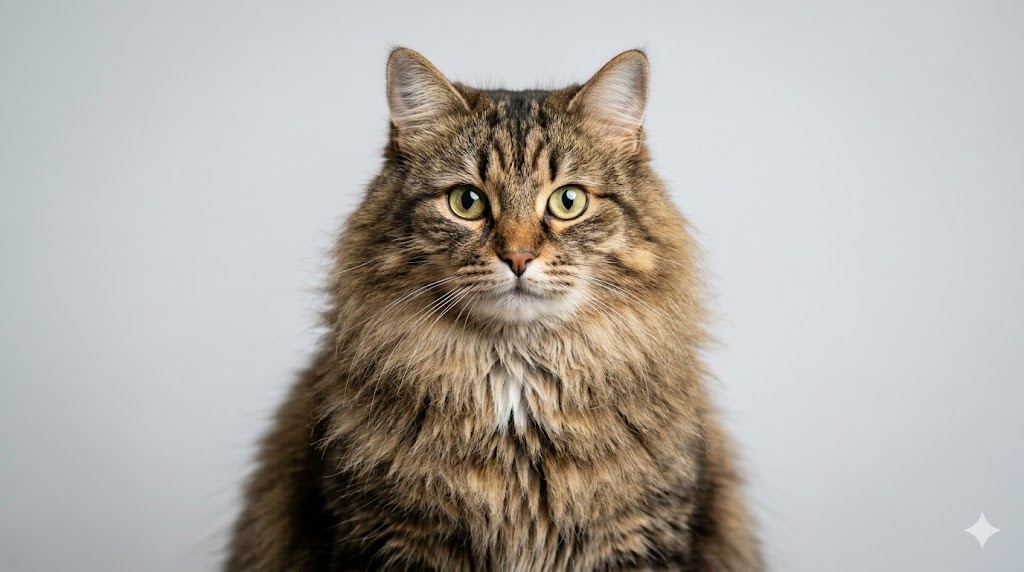
The Siberian is Russia's national cat - a large, semi-longhaired forest cat with a triple-layered weatherproof coat, athletic build, and gentle dignified temperament.
🗓️ Last reviewed: June 2026
Overview
The Siberian is Russia's national cat - a large, semi-longhaired forest cat with a triple-layered weatherproof coat, athletic build, and gentle dignified temperament. The breed evolved naturally in the forests of Russia over a thousand years and remains one of the few cats reliably tolerated by allergy sufferers due to lower-than-average Fel d 1 protein production.
History & Origins
Siberian cats have lived in Russia for at least a thousand years, frequently appearing in Russian folk tales and depicted in 16th-century manuscripts. The breed was developed naturally as a working cat - surviving harsh winters, hunting rodents, and living alongside Russian peasants.
The breed first reached the West in 1990 when Russia became more open to international trade. CFA recognition came in 2006. Numbers have grown rapidly worldwide, particularly among allergy-sensitive households.
Appearance
Large, muscular, semi-longhaired. Males weigh 5-8 kg (11-18 lb); females 3.5-5.5 kg. Slow-maturing - full size by age 5.
Key features:
- Coat: long, dense, triple-layered with thick undercoat, awn hair, and guard hair. Water-resistant and weatherproof. The coat changes dramatically with seasons.
- Colour: all colours and patterns, including pointed (Neva Masquerade variant).
- Head: modified wedge with rounded contours and a broad forehead.
- Eyes: large, slightly oval, gold, green, or amber (blue in pointed cats).
- Ears: medium-large, set wide, often tufted.
- Body: powerful, barrel-chested, surprisingly heavy.
- Tail: long, thick, plumed.
Temperament & Character
Calm, gentle, intelligent. The Siberian is famously dog-like - bonds with family, follows owners, greets visitors, plays fetch. The breed is friendly with children, tolerant of other pets, and adaptable to many household situations.
Most are athletic and enjoy climbing, leaping, and water play. The breed retains strong working-cat instincts.
Care
Coat & Grooming
The triple coat is moderate maintenance. Brush 2-3 times weekly with a long-toothed comb; daily during the dramatic spring shed.
Bathe every 2-3 months. The water-resistant coat actually resists shampoo too - double-soap baths may be needed. Clean ears monthly. Trim claws every 2 weeks. Brush teeth several times weekly.
Exercise & Enrichment
High. Cat trees, climbing structures, interactive play. The breed is athletic and benefits from real space.
Health & Lifespan
Average lifespan is 12-15 years.
Common concerns:
- Hypertrophic cardiomyopathy.
- Polycystic kidney disease.
- Dental disease.
- Obesity in older dogs.
The breed is generally healthy.
Feeding & Nutrition
70-100 g per day. Measured meals.
Living With
Multi-cat
Excellent.
Indoor/outdoor
Adapts to either. Indoor-only is safest.
Pros & Cons
Pros
- Often tolerated by allergy sufferers (lower Fel d 1).
- Calm, family-tolerant temperament.
- Beautiful, striking appearance.
- Sturdy and generally healthy.
- Athletic and interactive.
Cons
- Heavy seasonal shedding.
- Slow to mature.
- Premium prices.
Best Suited For
- Allergy-sensitive households.
- Active families with children.
- Multi-pet homes.
- Cold or mild climates.
Not suited for households unwilling to manage seasonal grooming.
Siberian - frequently asked questions
Are Siberians hypoallergenic?
Not fully, but the breed produces lower Fel d 1 protein than most cats. Many allergy sufferers tolerate Siberians better than other breeds - but not all. Test with a specific individual cat before committing.
What is a Neva Masquerade?
The pointed (Siamese-style) variety of the Siberian - same breed, pointed colour pattern with blue eyes.
Are they good with kids?
Excellent - patient, sturdy, friendly.
Siberian vs Norwegian Forest vs Maine Coon - which is which?
All three are large longhaired natural breeds. Siberian: Russian, lower-allergen, athletic. Norwegian Forest: Norwegian, water-resistant triple coat, climbing specialist. Maine Coon: American, largest, dog-like personality.
How long do they live?
12-15 years on average.
🧠 Test yourself: guess the cat
Three clues from our quiz bank, each about another of our cats. Can you name them?
Clue 1.Nicknamed the cat in sheep's clothing, this breed sports a thick coat of loose, plush curls.
It's the Selkirk Rex - read the full profile →
Clue 2.Often called the Sacred Cat of Burma, this long-haired feline has deep blue eyes, dark points, and four contrasting white feet.
It's the Birman - read the full profile →
Clue 3.One of the few naturally spotted domestic cats, this breed appears in artwork from the time of the pharaohs.
It's the Egyptian Mau - read the full profile →
💛 Adoptable Siberians near you
Real cats of this breed (and close mixes) waiting in shelters and rescues right now, live from Petfinder. We have no affiliation and earn nothing - if someone catches your eye, the link goes straight to their shelter. New to adopting? Start with our adoption guide.
Widget not loading (some ad-blockers hide it)? Search directly on petfinder.com.