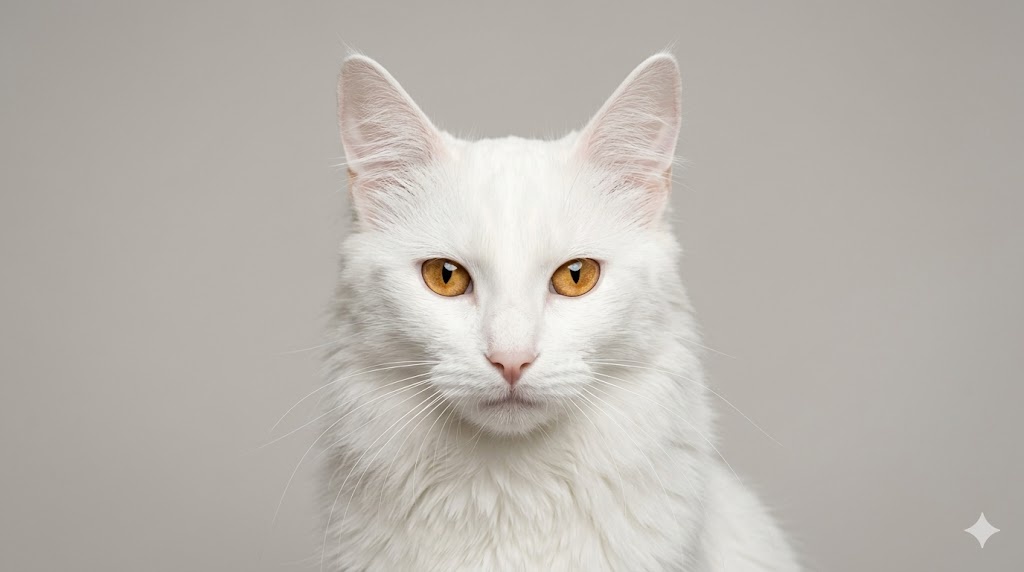
The Turkish Angora is one of the oldest natural cat breeds in the world β an elegant, silky semi-longhaired cat originating in the Ankara region of central Turkey.
Coming soon. Subscribe to the newsletter to get notified when this video drops.
The Turkish Angora is one of the oldest natural cat breeds in the world β an elegant, silky semi-longhaired cat originating in the Ankara region of central Turkey. White Turkish Angoras with odd-coloured eyes (one blue, one amber) are particularly prized and considered a Turkish national treasure. The breed is athletic, intelligent, and surprisingly active β defying the lap-cat reputation of most longhaired breeds.
The breed has existed in central Turkey for centuries β Ottoman documents reference the cats from at least the 1600s. Sultan Mehmed II reportedly kept Turkish Angoras at the palace. The breed reached Europe in the 1600s and influenced the development of the Persian.
The breed nearly disappeared in the 20th century as Persians dominated cat fancy. The Ankara Zoo in Turkey began a preservation programme in the 1960s; American breeders imported zoo cats and rebuilt the breed worldwide. CFA recognition came in 1973.
Medium-sized, slim, elegant. Adults weigh 3β5 kg (6β11 lb).
Active, intelligent, social. The breed is playful well into adulthood, bonds strongly with family, and often picks one favourite person. Many Turkish Angoras enjoy water and harness walks.
Surprisingly easy. The silky single coat resists matting. Weekly brushing; daily during seasonal shedding.
Clean ears monthly. Trim claws every 2 weeks. Brush teeth several times weekly.
12β18 years.
Pros: elegant, athletic, easy coat, long-lived. Cons: sometimes one-person bond; deafness in some white cats.
Are odd-eyed Angoras special? Yes β particularly prized in Turkey, where they're considered national treasures.
Are they good with kids? With respectful older children, yes.
Are they hypoallergenic? No.
The Turkish Angora β The Elegant White Cat of Anatolia
10β11 minutes
Pure white Turkish Angora with odd eyes (one blue, one amber) gazing at camera, silky long coat catching light. Caption: "ANCIENT ANATOLIAN".
Studio photograph of a pure white Turkish Angora cat with stunning odd eyes one sapphire-blue one amber, silky semi-long single-layer coat, slim elegant body, plumed tail visible, soft cream-coloured background with warm rim lighting, 85mm lens at f/2, professional pet photography, regal alert expression.
The Turkish Angora is one of the oldest natural cat breeds β documented in Anatolia for centuries, near-extinct by the twentieth century, and preserved by a Turkish zoo programme. Today we cover the breed's history, the bold sociable temperament, care, health, and whether the Angora fits your home.
β± Timestamps 00:00 Intro Hook 01:00 Origin: Ankara Zoo Saved the Breed 02:30 Temperament: Bold and Sociable 04:00 Care: Easy Single Coat 05:30 Health: Deafness in White Lines 07:00 Training: Highly Trainable 08:30 3 Biggest Mistakes New Angora Owners Make 10:00 Is The Turkish Angora Right For You? 11:00 Outro
π Subscribe for a new breed each week.
"Pure white. Silky long coat. Slim athletic body. And often β one blue eye and one amber. That is the classic Turkish Angora, one of the oldest documented cat breeds in the world. Native to Ankara β historically Angora β in central Turkey, the breed was preserved by a deliberate Turkish national programme after near-extinction in the early twentieth century. Today: the rescue origins, temperament, care, health, training, and whether the Angora is the cat for you."
"The Turkish Angora has been documented since at least the sixteenth century. Long-haired Anatolian cats were exported to Europe in the 1500s and influenced early Persian cat breeding. By the late nineteenth century, the breed had been crossed extensively with Persians and other longhairs in the West. The pure Turkish Angora was nearly lost. Turkey took action. The Ankara Zoo began a structured breeding programme in the early twentieth century, focusing on pure white cats with odd eyes β the breed's traditional ideal. The Turkish government considers the Angora a national treasure; export was tightly controlled for decades. In the 1960s, American breeders received zoo-stock pairs and began Western breeding programmes. CFA accepted the Angora in 1973. Today the Angora exists in many colours and patterns, though the traditional pure white with odd eyes remains the iconic type."
"Turkish Angoras are bold, sociable, athletic, intelligent, and people-focused. They are not retiring cats β Angoras greet visitors, supervise activities, and engage with the entire household. Voice is moderate. Soft chirps and conversational meows. Bonding is strong, sometimes intense. Many Angoras choose a primary person. Energy is high. The breed climbs, runs, and plays into adulthood. Intelligence is exceptional. Angoras solve puzzles, open cupboards, and remember routines. With other animals β usually good with confident, active companions. Angoras can be territorial about their humans. Many enjoy water and will splash, play in sinks, and watch baths."
"Single-layered semi-long coat. No woolly undercoat. Surprisingly low-maintenance. Weekly brushing with a metal comb. Twice-weekly during spring shed. Bath every two or three months. Nails fortnightly. Teeth daily. Enrichment: tall cat trees, window perches, daily play, puzzle feeders. Indoor only. Litter standard."
"Lifespan twelve to seventeen years. Health concerns: Congenital deafness in white blue-eyed cats. Common in this breed. Odd-eyed cats may be deaf on the blue-eye side. Deafness is not a quality-of-life issue for indoor cats but owners must know. Ataxia β a rare inherited movement disorder. DNA test available. Hypertrophic cardiomyopathy. Annual cardiac ultrasound from age three to four. Otherwise a robust breed with good general health and longevity."
"Angoras are highly trainable. Food-motivated, people-focused, intelligent. Targets: name, recall, sit, fetch, harness wear, tricks, agility. Leash training is easy. Litter solved by the breeder. Scratching: tall sisal posts. Handling tolerance is excellent."
"Mistake one: dismissing deafness. Deaf white cats can live wonderfully indoors but need understanding. How to avoid: hearing test (BAER) at the breeder. Indoor-only home. Use visual cues for training. Mistake two: assuming long coat means high grooming. The Angora's single coat is genuinely easy. How to avoid: weekly comb β no need for daily. Mistake three: solo Angora in an empty house. The breed needs engagement. How to avoid: pair with another active cat or ensure you are home much of the day."
"Checklist: You want an active, sociable, elegant cat. You can provide engagement and ideally a companion. You can manage weekly grooming. You are open to a deaf cat if your kitten happens to be. You want a unique striking appearance. Tick four β the Angora thrives. If you want a calm low-energy breed, choose a Persian or Birman."
"That is the Turkish Angora β Anatolia's ancient white cat, saved by a Turkish zoo, exported worldwide. Bold. Athletic. Beautiful. Next breed? Comment below. Subscribe and the bell. Next week: the American Curl β the cat with the unique curled-back ears." (End screen: subscribe button, 'watch next: American Curl' thumbnail, channel logo)