🐾 Smart pet care, real pet parent NEW 50+ buyer guides published πŸ“© Weekly newsletter As an Amazon Associate we earn from qualifying purchases
Home/ Pets/ Cats/ Turkish Van

Turkish Van

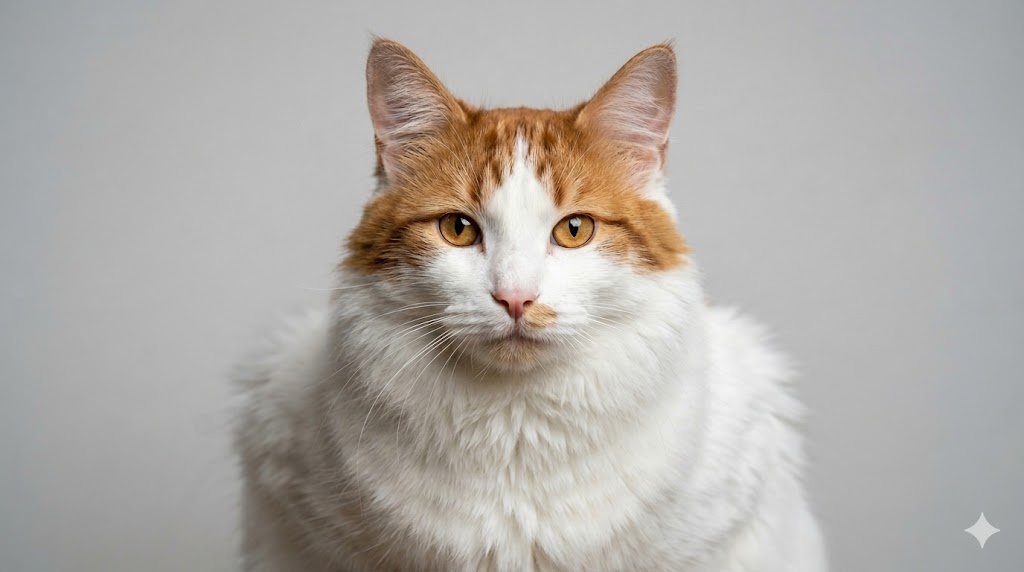
The Turkish Van is famously the "swimming cat" β€” a large, semi-longhaired Turkish breed that genuinely enjoys swimming.

🐈
🐾
Coming soon
πŸ“Ί Video guide in production

Turkish Van β€” the full video guide

Coming soon. Subscribe to the newsletter to get notified when this video drops.

Lifespan
12–17 years
Weight
4–9 kg
Category
Cats
Difficulty
See care section

Overview

The Turkish Van is famously the "swimming cat" β€” a large, semi-longhaired Turkish breed that genuinely enjoys swimming. Bred from cats living in the Lake Van region of eastern Turkey, the breed has a distinctive coat pattern (white body with colour on the head and tail) and a strong, independent personality.

History & Origins

The breed has existed in eastern Turkey for at least a thousand years. Two British women β€” Laura Lushington and Sonia Halliday β€” imported the first dogs to Britain in 1955 after observing them swimming in Lake Van. The breed is considered a national treasure in Turkey. CFA recognition came in 1994.

Appearance

Large, athletic, semi-longhaired. Adults weigh 4–9 kg (9–20 lb). Slow-maturing β€” full size by age 5.

  • Coat: medium-long, silky, single-coated, with cashmere-like texture. Water-resistant.
  • Pattern: the iconic Van pattern β€” solid white body with colour only on the head and the full tail. White-only or solid-coloured variants exist but the patched "Van" is iconic.
  • Eyes: large, almond, amber, blue, or odd-eyed (one of each β€” highly prized).
  • Body: long, muscular, athletic.

Temperament & Character

Active, intelligent, independent. The Turkish Van bonds strongly with family but is not a typical lap cat β€” affectionate on its own terms. Athletic and playful. Generally good with children and other pets when raised together.

Care

Coat & Grooming

The silky single coat resists matting. 2–3 times weekly brushing.

Health & Lifespan

12–17 years.

  • Hypertrophic cardiomyopathy.
  • Deafness in white blue-eyed cats β€” BAER test.

Pros & Cons

Pros: athletic, intelligent, swims, beautiful pattern. Cons: independent (not a lap cat); deafness risk in white blue-eyed cats; uncommon.

FAQ

Do they really swim? Yes β€” the breed enjoys water and many will jump into ponds and pools voluntarily. The water-resistant coat dries quickly.

Turkish Van vs Turkish Angora? Different breeds despite both being Turkish. Van is larger, water-loving, with the distinctive Van pattern. Angora is smaller, more refined, with solid white or coloured coat.

Are they hypoallergenic? No, though the single coat sheds less than double-coated longhairs.

Are they good with kids? With respectful older children, yes.

🎬 YOUTUBE LONG-FORM SCRIPT

Working title

The Turkish Van β€” The Swimming Cat of Lake Van

Estimated length

10–11 minutes

Thumbnail concept

White Turkish Van with red-orange head and tail, swimming or splashing in water. Caption: "THE SWIMMING CAT".

Thumbnail Image Prompt

Action photograph of a Turkish Van cat splashing playfully in shallow water, mostly white coat with distinctive red-auburn coloured head and tail, athletic muscular body, bright amber eyes, water droplets visible, soft blue lake background, natural sunlight, 85mm lens at f/2.8, professional cat action photography.

Description with timestamps

The Turkish Van is the ancient swimming cat from Lake Van in eastern Turkey. White body with coloured head and tail, athletic build, and a famous love of water. Today we cover the breed history, the bold temperament, care, health, and whether the Van is your cat.

⏱ Timestamps 00:00 Intro Hook 01:00 Origin: Lake Van and Ancient Anatolia 02:30 Temperament: Bold and Athletic 04:00 Care: Single Coat, Water Tolerance 05:30 Health: Generally Robust 07:00 Training: Highly Trainable 08:30 3 Biggest Mistakes New Van Owners Make 10:00 Is The Turkish Van Right For You? 11:00 Outro

πŸ”” Subscribe for a new breed each week.

00:00–01:00 INTRO HOOK

"Most cats hate water. The Turkish Van swims in it. From the area around Lake Van in eastern Turkey, this ancient breed evolved as a working cat in a region of hot summers and cool lake waters. The Van learned to swim, and many modern Vans still genuinely enjoy water. Today: the ancient origins, the bold temperament, breed health, training, and whether the Turkish Van is your cat."

01:00–02:30 ORIGIN: LAKE VAN AND ANCIENT ANATOLIA

"Vans have been documented in eastern Turkey for at least a thousand years. The breed evolved as a natural landrace around Lake Van β€” Turkey's largest lake β€” and the surrounding mountainous region. British travellers brought the first Vans to the West in the 1950s. Laura Lushington of England received breeding stock from Turkey and developed the breed in the UK. GCCF recognised the Turkish Van in 1969. CFA accepted the breed in 1994. The Turkish government considers the Van a national treasure. Export from Turkey is tightly controlled. The signature 'Van pattern' β€” white body with coloured head and tail only β€” is a distinctive piebald pattern named for the breed."

02:30–04:00 TEMPERAMENT: BOLD AND ATHLETIC

"Turkish Vans are bold, athletic, intelligent, energetic, and devoted. Voice is moderate. Bonding is intense and often one- or two-person. Energy is very high. Vans climb, jump, run, and swim well into adulthood. With other animals β€” variable. Vans can be territorial. Children β€” best with respectful older children. The breed dislikes being grabbed. The water love is genuine. Many Vans splash in bowls, join showers, and swim in baths."

04:00–05:30 CARE: SINGLE COAT, WATER TOLERANCE

"Coat is single-layered semi-long. Surprisingly easy. Weekly metal comb. Bath every two or three months. Vans dry quickly with the water-resistant single coat. Nails fortnightly. Teeth daily. Enrichment: tall cat tree, daily play, water access (large bowl or shallow basin). Indoor or supervised outdoor."

05:30–07:00 HEALTH: GENERALLY ROBUST

"Lifespan twelve to seventeen years. Health concerns: Deafness in white-headed individuals with blue eyes. HCM. Annual cardiac ultrasound. Otherwise a robust breed."

07:00–08:30 TRAINING: HIGHLY TRAINABLE

"Highly trainable. Targets: name, recall, sit, fetch, harness wear, tricks. Leash training works well. Litter solved by the breeder. Scratching: tall sisal posts."

08:30–10:00 3 BIGGEST MISTAKES NEW VAN OWNERS MAKE

"Mistake one: rough handling. Vans dislike being grabbed. How to avoid: respectful handling. Teach children. Mistake two: small home with no climbing. Athletic breed needs space. How to avoid: vertical climbing structures. Mistake three: ignoring the water instinct. Vans access bowls, showers, baths. How to avoid: provide a deep bowl or shallow water container as enrichment."

10:00–11:00 IS THE TURKISH VAN RIGHT FOR YOU?

"Checklist: Bold athletic cat. Vertical space. Respectful household. Engagement provided. You appreciate a water-loving breed. Tick four β€” the Van is wonderful."

11:00–11:30 OUTRO AND CTA

"That is the Turkish Van β€” the swimming cat of Lake Van. Athletic. Devoted. Unique. Next breed? Comment below. Subscribe and the bell. Next week: the Snowshoe β€” the pointed cat with the famous white paws." (End screen: subscribe button, 'watch next: Snowshoe' thumbnail, channel logo)

One smart pet email a week.

Vet-reviewed care, training, and gear. No spam, unsubscribe in one click.

🐢
🐱
🐰