Akita
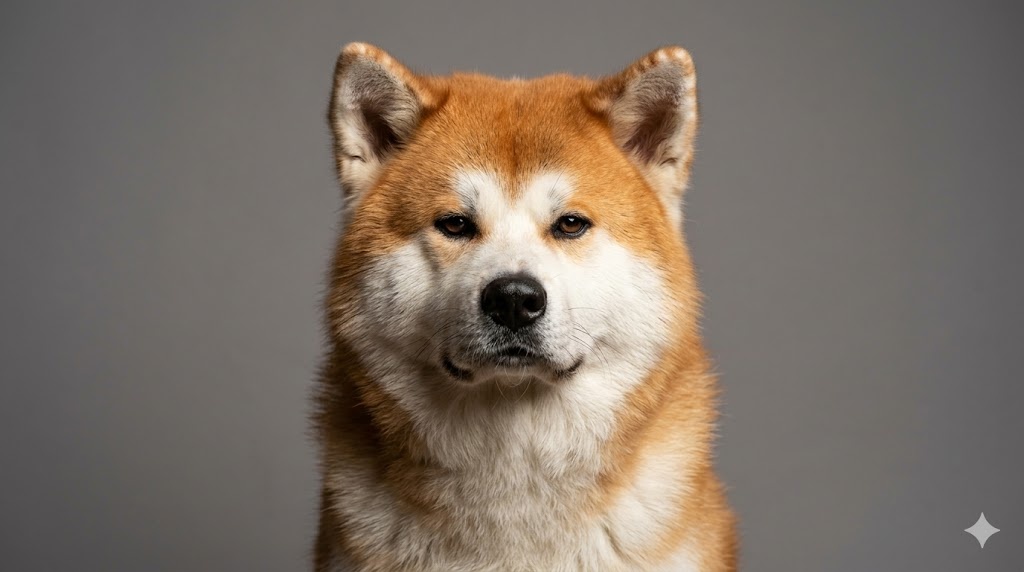
The Akita is a large, powerful Japanese Spitz breed of striking dignity and complex temperament.
🗓️ Last reviewed: June 2026
Overview
The Akita is a large, powerful Japanese Spitz breed of striking dignity and complex temperament. Bred to hunt boar, bear, and deer in the mountainous Akita prefecture of northern Japan, the breed is also a national treasure, a symbol of fidelity and good fortune, and one of the most challenging large breeds in the world to own. The story of Hachikō - the Akita who waited for his deceased owner at Shibuya Station for nearly ten years - made the breed an international symbol of canine loyalty.
History & Origins
Large Japanese Spitz-type dogs have existed in northern Japan for at least 1,000 years. The modern Akita developed in the Akita Prefecture during the 1600s-1800s, used for hunting large game and as fighting dogs. After dog fighting was banned in 1908 the breed's purpose shifted to companionship and ceremonial roles.
World War II nearly destroyed the breed. Japanese authorities ordered the slaughter of non-military dogs; the only Akitas spared were those used by the military as guard dogs. After the war the breed was reconstructed from a small number of survivors.
Two distinct types emerged from the post-war reconstruction. The Japanese Akita Inu (or "Akita-ken") is smaller, more refined, and limited to a few colours. The American Akita is larger, heavier, with a broader range of colours and a more mastiff-like build. The Japanese type was officially split as a separate breed by the FCI in 2000; the AKC continues to recognise a single Akita standard (the American type).
The Hachikō story dates to the 1920s and made the breed famous globally. A bronze statue stands at Shibuya Station today.
Appearance
Large, powerful, dignified. American Akita males stand 66-71 cm (26-28 in) and weigh 45-60 kg (100-130 lb). Japanese Akita Inu is smaller, around 60-67 cm and 30-45 kg.
Key features:
- Coat: thick double coat - harsh straight outer coat, soft dense undercoat. Built for cold mountain weather.
- Colour: American Akita allows any colour and combinations including pinto and brindle. Japanese Akita Inu restricts to red with white urajiro markings, brindle, white, and a couple of other patterns.
- Head: broad, with small dark almond eyes, small triangular erect ears, and a moderately short broad muzzle.
- Tail: thick, set high, curled tightly over the back.
Temperament & Character
Dignified, courageous, intensely loyal. The Akita bonds deeply with family - usually with one or two specific people - and treats everyone else as varying degrees of stranger. With strangers the breed is reserved at best, watchful and protective at worst.
Around children, well-bred Akitas can be wonderful with their own family's children but are usually not safe with visiting children. Around other dogs the breed is famously intolerant, especially same-sex; many Akitas cannot live with other dogs of the same sex regardless of socialisation.
The breed has high prey drive. Cats, rabbits, and small animals are rarely safe.
Akitas are dignified rather than affectionate. They are not the cuddly, demonstrative loyalty of a Lab - they are the quiet, watchful loyalty of a samurai's dog. Their love is expressed through presence rather than affection.
Care
Coat & Grooming
The double coat sheds massively twice yearly - the undercoat falls out in clouds. Brush 2-3 times weekly normally; daily during the spring and autumn shed.
Otherwise the breed is famously clean - Akitas groom themselves cat-like and rarely smell. Bathe every 8-10 weeks. Never shave the double coat.
Clean ears weekly, trim nails every 3 weeks, brush teeth several times weekly. Drool is moderate.
Exercise & Activity Needs
Moderate. Adults need 45-60 minutes of daily exercise - walks, training, calm play. The breed is not built for marathon running or extreme sport but enjoys hiking, weight pulling, and structured work.
Puppies require controlled exercise to protect joints.
Health & Lifespan
Average lifespan is 10-13 years.
Common concerns:
- Hip and elbow dysplasia.
- Progressive retinal atrophy and eye conditions.
- Hypothyroidism - common.
- Auto-immune diseases - pemphigus, lupus, immune-mediated polyarthritis.
- VKH-like syndrome (uveodermatologic syndrome) - a specific auto-immune condition affecting eyes, skin, and pigment.
- Sebaceous adenitis.
- Bloat (GDV) - moderate risk.
- Anaesthetic sensitivities - Akitas are known to react adversely to certain anaesthetic agents; inform the vet.
Feeding & Nutrition
Adults typically eat 3-4 cups of quality large-breed food per day in two meals. The breed maintains lean condition naturally.
Bloat prevention: multiple smaller meals, no vigorous exercise around meals. Many Akitas are prone to allergies; novel-protein diets often help.
Pros & Cons
Pros
- Striking, dignified appearance.
- Devoted to family.
- Clean, low-odour, cat-like in habits.
- Naturally watchful without aggression training.
- Independent - doesn't demand constant attention.
Cons
- Often aggressive toward other dogs, especially same-sex.
- High prey drive - small pets unsafe.
- Reserved with strangers; not friendly by default.
- Requires experienced ownership.
- Heavy seasonal shedding.
- Insurance and legal restrictions in many regions.
Best Suited For
- Experienced large-breed owners.
- Adults-only or older-children households.
- Single-dog homes.
- Cold or mild climates.
- Owners committed to lifelong training and management.
Not suited for first-time owners, multi-dog households, families with toddlers or visiting children, owners wanting a friendly social dog.
Akita puppy growth chart
A typical growth curve for a giant breed like the Akita, estimated from its adult weight of 45-60 kg. Puppies vary with sex, genetics and diet, so treat this as a guide - for your own puppy, use the puppy weight predictor.
| Age | Typical weight | % of adult |
|---|---|---|
| 2 mo | 8.1-10.8 kg | 18% |
| 3 mo | 12.6-16.8 kg | 28% |
| 4 mo | 16.7-22.2 kg | 37% |
| 6 mo | 23.4-31.2 kg | 52% |
| 9 mo | 31.5-42 kg | 70% |
| 12 mo | 37.4-49.8 kg | 83% |
| Adult | 45-60 kg | 100% |
Akita - frequently asked questions
Are Akitas dangerous?
Improperly bred or mishandled Akitas are genuinely dangerous due to size, strength, and dog-dog aggression. A well-bred and properly raised Akita is controllable, but the breed is not for casual ownership.
American vs Japanese Akita - what's the difference?
American Akita is larger (45-60 kg), heavier-boned, more mastiff-like, allows all colours. Japanese Akita Inu is smaller (30-45 kg), more refined, more fox-like, restricted to traditional Japanese colours. They are now separate breeds in FCI countries.
Are they good with kids?
Generally yes with their own family's children, with careful supervision. Visiting children - usually no. The breed's protective instinct and stranger reserve make unfamiliar children risky.
Can Akitas live with other dogs?
Many cannot, particularly same-sex pairings. Some live successfully with an opposite-sex dog if raised together. Adding a new dog to an adult Akita household is often disastrous.
Is the Hachikō story real?
Yes. From 1925 to 1935 the dog Hachikō waited daily at Shibuya Station for his deceased owner. He became a national symbol of loyalty. A statue at Shibuya Station and a film starring Richard Gere have made the story internationally familiar.
🧠 Test yourself: guess the dog
Three clues from our quiz bank, each about another of our dogs. Can you name them?
Clue 1.A large gray-and-white companion, this dog of paint-advert fame needs hours of grooming to prevent matting.
It's the Old English Sheepdog - read the full profile →
Clue 2.Bred down from fighting stock in 19th-century Massachusetts, this compact breed shares its city's name and is its state's official dog.
It's the Boston Terrier - read the full profile →
Clue 3.Named for the way it paws and spars with its front legs, this square-jawed German working dog has an undershot bite.
It's the Boxer - read the full profile →
💛 Adoptable Akitas near you
Real dogs of this breed (and close mixes) waiting in shelters and rescues right now, live from Petfinder. We have no affiliation and earn nothing - if someone catches your eye, the link goes straight to their shelter. New to adopting? Start with our adoption guide.
Widget not loading (some ad-blockers hide it)? Search directly on petfinder.com.