Australian Shepherd
Despite the name, the Australian Shepherd is an American breed - a brilliant, athletic herding dog developed on California ranches in the late 1800s.
🗓️ Last reviewed: June 2026
Overview
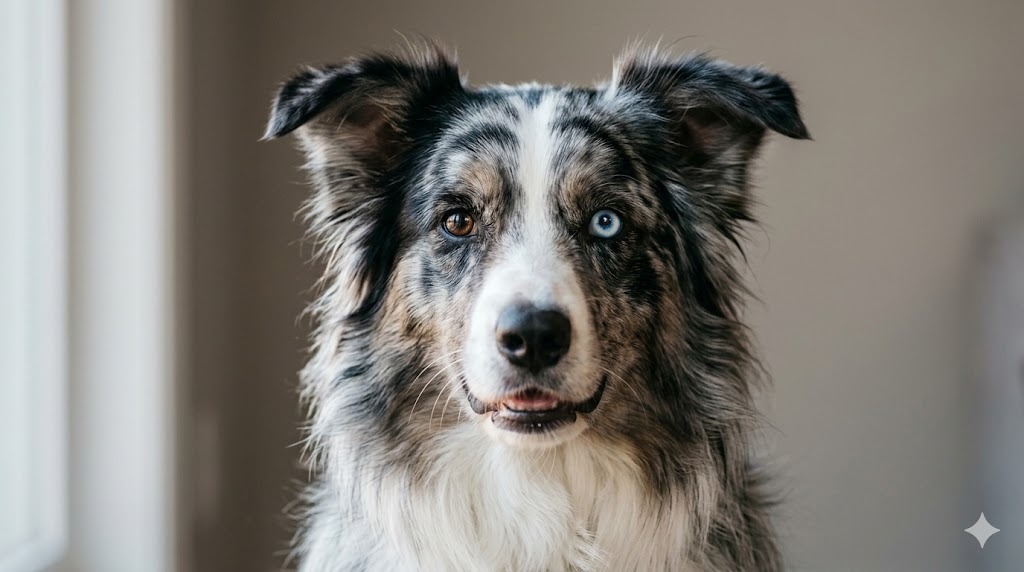
Despite the name, the Australian Shepherd is an American breed - a brilliant, athletic herding dog developed on California ranches in the late 1800s. Often called the "Aussie," the breed combines intense work drive, sharp intelligence, and devoted family attachment with a striking, varied coat that can include merle patterns and uncommon eye colours. It is one of the most capable dogs in the world and one of the most demanding pets a household can choose.
History & Origins
The Australian Shepherd was developed primarily in the American West during the gold-rush era, when Basque shepherds emigrated to California from Australia (a stopover en route from Europe) and brought their sheepdogs with them. American ranchers called the dogs "Australian" because of the recent stopover, and the name stuck even though the breed was refined in the United States, not in Australia.
By the early 20th century the Aussie had become the standard ranch dog of the western United States - herding cattle and sheep, riding rodeos, and starring in mid-century horse shows. The breed was recognised by the AKC in 1991, relatively late, because working enthusiasts initially resisted formal show recognition. Today the breed exists in two distinct populations: working/ranch lines (lighter, harder, more drive) and show/companion lines (heavier coats, often calmer).
Appearance
Medium-sized, balanced, muscular, slightly longer than tall. Males stand 51-58 cm (20-23 in) and weigh 23-29 kg (50-65 lb); females are smaller. The Miniature American Shepherd, formerly the Miniature Australian Shepherd, is a separate AKC-recognised breed.
Key features:
- Coat: medium-length, weather-resistant double coat with moderate feathering.
- Colour: four recognised patterns - black, red (liver), blue merle, red merle - usually with white markings and copper points.
- Eyes: brown, blue, amber, or any combination, including one of each colour or "split" eyes (two colours in one eye).
- Tail: naturally bobbed or docked traditionally; full natural tails increasingly common.
Double-merle breeding (merle × merle) is genetically dangerous, often producing blind and/or deaf puppies. Ethical breeders never pair two merles.
Temperament & Character
Bold, alert, devoted, and highly intelligent. The Aussie attaches intensely to family ("Velcro dog") and is typically reserved with strangers. Friendly socialisation produces a polite adult; lax socialisation can produce reactivity or fear.
The breed has high work drive - bred to think, decide, and act independently while moving cattle. In a pet home this translates to: needs a job, needs daily mental work, will invent jobs (often involving herding household members) if none are provided.
Aussies are sensitive. They read household mood and human body language quickly, and they take harsh handling personally. Reward-based training is essential.
Care
Coat & Grooming
The double coat sheds steadily and "blows" twice yearly. Brush 2-3 times weekly with a slicker and undercoat rake; daily during shed seasons.
Bathe every 6-8 weeks. Trim feathering around the rear and feet as needed. Clean ears weekly. Trim nails monthly. Do not shave the double coat - it regulates temperature year-round.
Exercise & Activity Needs
Among the highest-energy popular breeds. Adults need 90-120 minutes of vigorous daily exercise combining running, training, and mental work.
The breed excels at every dog sport: agility (often dominant in competition), obedience, herding, dock diving, disc, flyball, tracking. They are also outstanding service, therapy, and search-and-rescue dogs.
Mental work is non-negotiable. A bored Aussie chews, paces, barks, herds, and develops obsessive behaviours (shadow chasing, light fixations). Daily training sessions, puzzle feeders, varied environments, and structured sport keep the dog balanced.
Health & Lifespan
Average lifespan is 12-15 years.
Common concerns:
- Hip and elbow dysplasia - moderate; demand certified parents.
- MDR1 (multidrug sensitivity) mutation - common in this breed. Affected dogs react severely to certain drugs (ivermectin, loperamide, some chemotherapy agents). DNA test is essential; results should be on file with the vet.
- Progressive retinal atrophy, cataracts, collie eye anomaly.
- Epilepsy - relatively common.
- Hypothyroidism.
- Cancer in older dogs.
- Double-merle congenital deafness and blindness if poorly bred.
Feeding & Nutrition
Adults typically eat 2-3 cups of quality food per day in two meals. Working Aussies need more. The breed is athletic and burns calories well; obesity is less common than in retriever breeds but still possible.
A high-quality diet with EPA/DHA supports the coat and joints. Active dogs often benefit from a higher-protein performance formula.
Pros & Cons
Pros
- Brilliantly intelligent, highly trainable.
- Devoted, family-bonded companion.
- Versatile in every dog sport and working role.
- Striking appearance.
- Generally long-lived for a medium breed.
Cons
- Enormous exercise and mental-stimulation needs.
- Heavy shedding; significant coat maintenance.
- Sensitive - not for chaotic homes or harsh handlers.
- Tendency to herd children and pets.
- Predisposed to anxiety and obsessive behaviours when under-stimulated.
Best Suited For
- Active families willing to commit substantial daily time.
- Sport homes (agility, obedience, herding, disc).
- Service and therapy programmes.
- Working homes with livestock.
- Owners with experience handling drivey, sensitive dogs.
Not suited for sedentary owners, full-time-office homes, first-time owners, or anyone wanting an "easy" pet.
Australian Shepherd puppy growth chart
A typical growth curve for a large breed like the Australian Shepherd, estimated from its adult weight of 23-29 kg. Puppies vary with sex, genetics and diet, so treat this as a guide - for your own puppy, use the puppy weight predictor.
| Age | Typical weight | % of adult |
|---|---|---|
| 2 mo | 5.1-6.4 kg | 22% |
| 3 mo | 7.6-9.6 kg | 33% |
| 4 mo | 9.9-12.5 kg | 43% |
| 6 mo | 13.8-17.4 kg | 60% |
| 9 mo | 18.4-23.2 kg | 80% |
| 12 mo | 21.2-26.7 kg | 92% |
| Adult | 23-29 kg | 100% |
Australian Shepherd - frequently asked questions
Are Australian Shepherds good first-time dogs?
Rarely. Their intelligence and drive overwhelm most novice owners. First-timers who succeed usually have outside trainer support and a clear sport or activity in mind.
Do they shed a lot?
Yes - moderately year-round and heavily twice a year. Daily brushing during shed seasons is essential.
Are they good with children?
Generally yes with their family, but the herding drive often produces nipping at running children. Train and supervise.
Are blue-eyed Aussies less healthy?
Blue eyes alone are fine. The concern is double-merle breeding (merle × merle), which produces high rates of deafness and blindness. A single merle parent is safe.
Are they hypoallergenic?
No - they shed heavily and produce dander.
🧠 Test yourself: guess the dog
Three clues from our quiz bank, each about another of our dogs. Can you name them?
Clue 1.Heavy, low-slung, and brachycephalic, this breed's pushed-in face causes snoring and a low tolerance for heat or swimming.
It's the Bulldog (English Bulldog) - read the full profile →
Clue 2.This small, perky Scottish terrier has a pure white double coat and was bred to hunt rats and foxes in the Highlands.
It's the West Highland White Terrier - read the full profile →
Clue 3.This small, merry scent hound with a white-tipped tail is famously used to sniff out contraband food in airports because of its keen nose and friendly nature.
It's the Beagle - read the full profile →
💛 Adoptable Australian Shepherds near you
Real dogs of this breed (and close mixes) waiting in shelters and rescues right now, live from Petfinder. We have no affiliation and earn nothing - if someone catches your eye, the link goes straight to their shelter. New to adopting? Start with our adoption guide.
Widget not loading (some ad-blockers hide it)? Search directly on petfinder.com.