Chihuahua
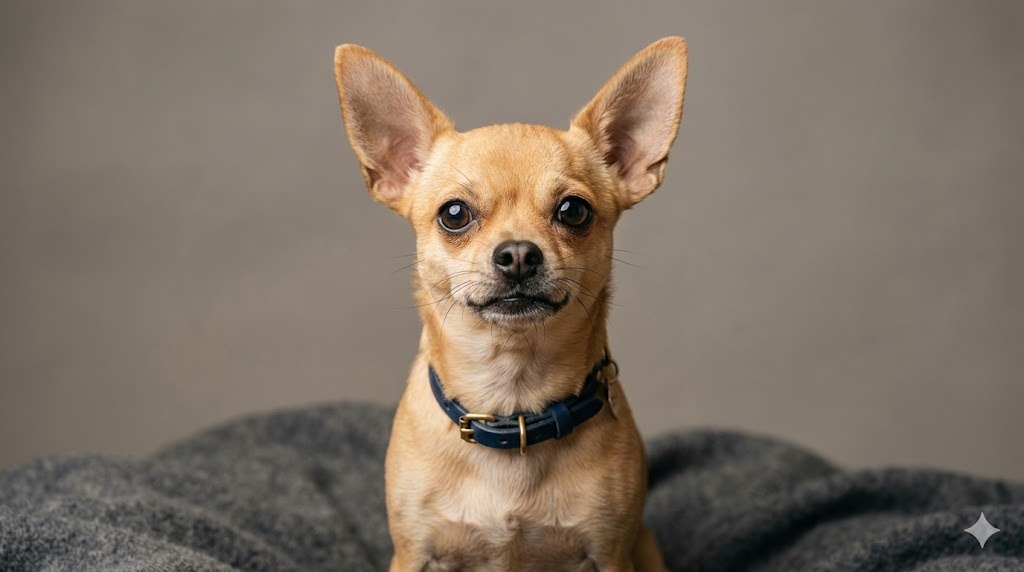
The Chihuahua is the smallest recognised dog breed in the world - a tiny, big-eared, big-eyed companion with an outsized personality, ancient Mexican roots, and the longest lifespan of almost any breed.
🗓️ Last reviewed: June 2026
Overview
The Chihuahua is the smallest recognised dog breed in the world - a tiny, big-eared, big-eyed companion with an outsized personality, ancient Mexican roots, and the longest lifespan of almost any breed. Behind the handbag-dog stereotype is a genuinely confident, sometimes startlingly bold little dog that has been bred for companionship for at least a thousand years. Owners who treat Chihuahuas like real dogs are rewarded with affectionate, intelligent companions; those who carry them everywhere and shield them from the world create the snappy, reactive "purse dogs" of stereotype.
History & Origins
The Chihuahua's ancestors were the Techichi, small mute companion dogs kept by the Toltec civilisation in central Mexico from at least the 9th century. Aztec nobles inherited the Techichi from the Toltecs and used them in religious ceremonies - small dogs were buried with their owners to guide souls to the afterlife.
Modern Chihuahuas were "rediscovered" in the mid-1800s when American travellers encountered the small native dogs in the Mexican state of Chihuahua. The first dogs were exported north of the border by the 1880s. The AKC recognised the breed in 1904. Two coat varieties (smooth and long) are recognised by all major kennel clubs.
Appearance
Tiny, with a distinctive apple-shaped or deer-shaped head. Adults typically stand 15-23 cm (6-9 in) and weigh under 3 kg (under 6 lb).
Key features:
- Coat: two varieties - smooth (short, close, glossy) and long (soft, slightly wavy, with feathering on ears, legs, and tail). Both are double-coated in many lines.
- Colour: any colour or pattern - black, fawn, chocolate, blue, lavender, cream, white, brindle, parti-coloured, merle. Merle is controversial; double-merle is dangerous.
- Head: the breed standard specifies an "apple-shaped" rounded skull. A "deer head" Chihuahua has a more elongated head and is not show-standard but common in pet lines.
- Ears: large, erect, set at a 45-degree angle.
- Eyes: large, round, prominent.
- Tail: carried up over the back or out as a sickle, never docked.
Temperament & Character
Bold, alert, and intensely devoted to one person. Most Chihuahuas form an unusually strong bond with one primary owner and remain reserved or wary with everyone else. The breed is famously suspicious of strangers - alarm-barking is breed-typical, and some Chihuahuas progress to fear-snapping without proper socialisation.
With family, Chihuahuas are affectionate and playful. They are intelligent and trainable when motivated, but stubborn. Many do well with other Chihuahuas (the breed tends to prefer its own kind to other breeds).
The breed has a reputation for snappiness, particularly toward children and unfamiliar dogs. Most of this is the result of poor socialisation, lack of training, and being constantly carried - not breed-inherent.
Care
Coat & Grooming
Smooth Chihuahua: weekly brush with a rubber curry; very low maintenance.
Long-coat Chihuahua: brush 2-3 times weekly with a pin brush and metal comb. Pay attention to feathering behind ears and on rear legs (mats first). Trim sanitary area as needed. Bathe every 4-6 weeks.
Both varieties: clean ears weekly. Brush teeth daily - dental disease is the breed's most common health issue. Trim nails every 3 weeks.
Exercise & Activity Needs
Modest. Adults need 20-30 minutes of daily exercise - short walks, indoor play, training games. Many Chihuahuas enjoy short scent games, agility scaled down, and trick training.
Use a harness, not a collar - the trachea is fragile. Avoid hot pavement and cold weather (small dogs heat up and chill quickly). Many Chihuahuas need sweaters in winter.
Carry up and down stairs and off high furniture. Small joints are vulnerable.
Health & Lifespan
Average lifespan is 14-18 years - one of the longest of any breed.
Common concerns:
- Dental disease - universal in small breeds.
- Tracheal collapse - use harnesses.
- Patellar luxation.
- Open fontanelle (incomplete skull closure on the molera) - common in this breed; protect from impact.
- Hydrocephalus - water on the brain; more common in this breed than in most.
- Hypoglycaemia - small puppies and very small adults crash without regular meals.
- Heart disease - patent ductus arteriosus, mitral valve disease in older dogs.
- Eye conditions - corneal ulcers (prominent eyes), cataracts.
- Shivering - not a health issue but breed-typical; cold or excitement.
Feeding & Nutrition
Adults typically eat 1/4 to 1/2 cup of high-quality small-breed food per day in two or three meals. Puppies need 3-4 small meals daily.
Many Chihuahuas are picky eaters - establish a calm routine and resist hand-feeding. Treats counted into daily calories.
Pros & Cons
Pros
- Tiny - fits any home, easy travel.
- Among the longest-lived breeds.
- Strong personality; devoted companion.
- Adaptable to apartment life.
- Low food costs.
Cons
- Snappy, fear-reactive without proper socialisation.
- Vocal - barks readily.
- Fragile; injury risk from children, large dogs, falls.
- Dental, joint, and cardiac issues common.
- Many are spoiled into behaviour problems.
- Often produced unethically (puppy mills, backyard breeders).
Best Suited For
- Singles, couples, retirees wanting a constant companion.
- Apartment dwellers.
- Adults-only households.
- Owners willing to train as if the dog were ten times its size.
- Multi-Chihuahua homes (the breed often prefers its own kind).
Not suited for households with young children, families with large rough-playing dogs, owners wanting a friendly-with-everyone dog, or anyone who can't commit to dental care.
Chihuahua - frequently asked questions
Are Chihuahuas good with kids?
Generally not. The breed is small, easily injured, and quick to defend itself. Many Chihuahuas snap defensively at children. Households with toddlers should choose another breed.
Why are they so snappy?
A combination of small-body defensiveness, breed-typical wariness, and (often) being treated as accessories rather than dogs. Properly raised Chihuahuas - walked on the ground, socialised young, trained like real dogs - are not snappy.
Apple head vs deer head - which is better?
Apple head is the show standard - rounder skull, shorter muzzle. Deer head has a longer muzzle and more elegant head, popular as pets but not shown. Both are healthy Chihuahuas; choice is aesthetic.
Do they shiver because they're cold?
Often, but not always. Chihuahuas also shiver with excitement, anxiety, or for no obvious reason. Genuinely cold dogs need sweaters and heated beds.
How long do they live?
14-18 years is typical. With excellent dental care and lean weight, some Chihuahuas reach 20.
🧠 Test yourself: guess the dog
Three clues from our quiz bank, each about another of our dogs. Can you name them?
Clue 1.This brachycephalic, fawn-or-brindle breed often shows a comically wrinkled forehead and a long, energetic puppyhood.
It's the Boxer - read the full profile →
Clue 2.This large, gentle Swiss farm dog has a striking tricolor coat of black, white, and rust, and was bred to pull carts and drive cattle in the Alps.
It's the Bernese Mountain Dog - read the full profile →
Clue 3.This large, wrinkled scent hound has the most powerful sense of smell of any dog, and its trailing results are admissible as evidence in some courts.
It's the Bloodhound - read the full profile →
💛 Adoptable Chihuahuas near you
Real dogs of this breed (and close mixes) waiting in shelters and rescues right now, live from Petfinder. We have no affiliation and earn nothing - if someone catches your eye, the link goes straight to their shelter. New to adopting? Start with our adoption guide.
Widget not loading (some ad-blockers hide it)? Search directly on petfinder.com.