Havanese
The Havanese is the national dog of Cuba and the only breed native to the island.
🗓️ Last reviewed: June 2026
Overview
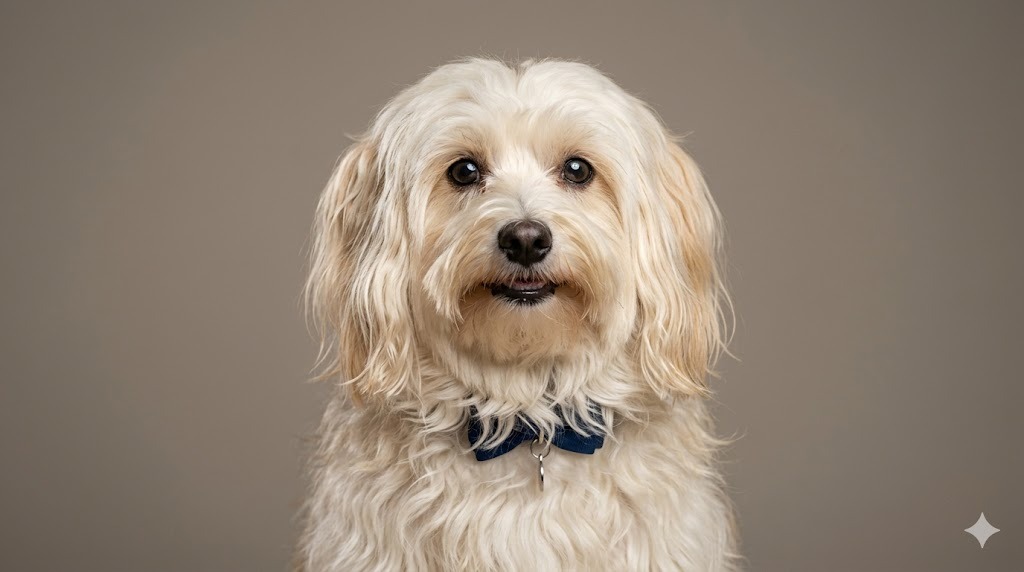
The Havanese is the national dog of Cuba and the only breed native to the island. Small, sturdy, with a long, silky double coat and a perpetually cheerful expression, the Havanese is one of the friendliest and most adaptable toy breeds. It is also among the few small dogs widely recommended for families with children - affectionate, sociable, and tolerant of normal family chaos.
History & Origins
The breed descends from small companion dogs of the Mediterranean Bichon family, brought to Cuba by Spanish settlers and traders in the 1500s and 1600s. Cuban breeders developed the distinctive long, silky, lightweight coat that suited the tropical climate (long for shade, not dense for heat). By the 1800s the Havanese - then called the Habanero Silk Dog - was the favoured companion of Havana's wealthy class.
After the 1959 Cuban Revolution the breed nearly disappeared from its homeland as wealthy families fled. About 11 founding dogs reached the United States with refugee families and formed the basis of every modern Havanese in the West. The AKC recognised the breed in 1996. Today the Havanese is one of the fastest-growing breeds in popularity.
Appearance
Small, sturdy, slightly longer than tall. Adults stand 22-29 cm (8½-11½ in) and weigh 3-6 kg (7-13 lb).
Key features:
- Coat: long, silky, slightly wavy double coat. The undercoat is light; the outer coat is soft and flowing. Unique among toy breeds, the Havanese coat is designed for insulation against heat, not cold.
- Colour: all colours and combinations are accepted. Black, white, cream, gold, silver, parti-coloured, brindle, and sable are all common.
- Head: wedge-shaped with a slightly arched skull, drop ears, and dark almond eyes.
- Tail: carried up over the back, plumed.
- Gait: a distinctive springy "Havana gait" - light, lively, slightly bouncing.
Temperament & Character
Friendly, outgoing, and gentle. The Havanese is exceptionally sociable - comfortable with strangers, children, dogs, and cats. They are quiet for a small breed and not typically nuisance barkers.
The defining trait is attachment. Havanese are "Velcro dogs" - they follow their people from room to room, settle on laps, and dislike being left alone for long. They thrive in households where someone is home most of the day. Separation anxiety is common in dogs left alone routinely.
Despite the lap-dog appearance, the breed is bright and energetic enough to enjoy training, agility, scent work, and trick competition. Havanese are circus performers in miniature - they love to learn new tricks and show them off.
Care
Coat & Grooming
The long silky coat is the main work. Two paths:
Long show coat: daily brushing with a pin brush and metal comb. Light spritz to prevent breakage. Weekly baths. Hours per week.
Pet "puppy clip": professional grooming every 4-6 weeks (clip body to 2-4 cm, scissor face, sanitary trim, ears, nails). Most pet owners choose this. Brushing 2-3 times weekly between groomings.
The Havanese coat is single-layered as an adult in some lines (a "true Havanese coat") and only mildly shedding. Many allergy sufferers tolerate the breed well.
Clean ears weekly. Trim hair between paw pads. Brush teeth daily - dental disease is the breed's main health concern. Trim nails every 3 weeks.
Exercise & Activity Needs
Modest. Adults need 30-45 minutes of daily exercise - walks, indoor play, training games. Havanese enjoy short hikes and adapt well to apartment life with regular outings.
The breed is heat-tolerant (the coat was built for it) but small dogs still need protection from intense sun and hot pavement.
Health & Lifespan
Average lifespan is 14-16 years.
Common concerns:
- Dental disease - universal in toy breeds; daily brushing essential.
- Patellar luxation.
- Legg-Calvé-Perthes (hip joint).
- Hip dysplasia - uncommon for a small breed but possible.
- Progressive retinal atrophy and cataracts.
- Deafness - congenital deafness occurs at low rates.
- Chondrodysplasia / chondrodystrophy - short-limb genetic condition; DNA testing exists.
- Heart murmur in older dogs.
- Liver shunt - relatively rare.
The breed is generally robust given good dental care and a healthy weight.
Feeding & Nutrition
Adults typically eat 1/2 to 1 cup of quality small-breed food per day in two meals. Havanese maintain healthy weight more easily than most toy breeds when fed measured portions.
Treats should be tiny and counted into daily calories. The breed is food-motivated, which helps training but invites obesity if uncontrolled.
Pros & Cons
Pros
- Friendly, gentle, family-oriented.
- Excellent with children and other pets.
- Long-lived (14-16 years common).
- Trainable, intelligent, sociable.
- Adapts to apartments and active homes.
- Heat-tolerant for a long-coated breed.
Cons
- Moderate-to-high grooming demands.
- Prone to separation anxiety.
- Dental disease without daily care.
- Some lines have hereditary issues - choose a tested breeder.
- Expensive when bought from reputable, health-tested sources.
Best Suited For
- Families with children of any age.
- Apartment dwellers and city homes.
- Retirees wanting a constant companion.
- Multi-pet households.
- Allergy-sensitive owners (with breed testing).
- Therapy and trick-training enthusiasts.
Not suited for households empty all day, owners unwilling to budget for grooming, or anyone wanting a low-maintenance coat.
Havanese puppy growth chart
A typical growth curve for a toy breed like the Havanese, estimated from its adult weight of 3-6 kg. Puppies vary with sex, genetics and diet, so treat this as a guide - for your own puppy, use the puppy weight predictor.
| Age | Typical weight | % of adult |
|---|---|---|
| 2 mo | 1-2 kg | 33% |
| 3 mo | 1.4-2.7 kg | 45% |
| 4 mo | 1.7-3.3 kg | 55% |
| 6 mo | 2.3-4.5 kg | 75% |
| 9 mo | 2.8-5.7 kg | 95% |
| 12 mo | 3-6 kg | 100% |
| Adult | 3-6 kg | 100% |
Havanese - frequently asked questions
Are Havanese hypoallergenic?
No dog is fully hypoallergenic, but Havanese shed minimally and produce low dander. Many allergy sufferers tolerate them.
Are they good with children?
Excellent - patient, gentle, sociable. Among the best toy breeds for families.
Do they bark a lot?
Less than most toy breeds. Havanese alarm-bark but are not chronic barkers.
Can they be left alone for work?
Poorly. The breed is prone to separation anxiety. Plan for daycare, dog walker, or a second pet if you work full days.
Havanese vs Maltese vs Bichon Frise - what's the difference?
All three are small Bichon-family companion dogs. Maltese is smallest and most fragile, with pure white silk coat. Bichon Frise is white and curly, slightly larger. Havanese is the largest, comes in all colours, has a softer flowing coat, and is generally considered the most family-friendly and trainable of the three.
🧠 Test yourself: guess the dog
Three clues from our quiz bank, each about another of our dogs. Can you name them?
Clue 1.This small wrinkly-faced dog with a tightly curled tail and big round eyes was bred as a companion for Chinese emperors.
It's the Pug - read the full profile →
Clue 2.A smart, eager-to-please herder with a fluffy medium coat, it craves a job and can develop bad habits if left bored.
It's the Australian Shepherd - read the full profile →
Clue 3.Ranked among the smartest of all dogs, this tan-and-black herder was originally bred to manage flocks of sheep.
It's the German Shepherd - read the full profile →
💛 Adoptable Havaneses near you
Real dogs of this breed (and close mixes) waiting in shelters and rescues right now, live from Petfinder. We have no affiliation and earn nothing - if someone catches your eye, the link goes straight to their shelter. New to adopting? Start with our adoption guide.
Widget not loading (some ad-blockers hide it)? Search directly on petfinder.com.