Pembroke Welsh Corgi
The Pembroke Welsh Corgi is a short-legged, big-personality herder famous for centuries as a Welsh cattle dog and for nearly a century as the favourite breed of Queen Elizabeth II.
🗓️ Last reviewed: June 2026
Overview
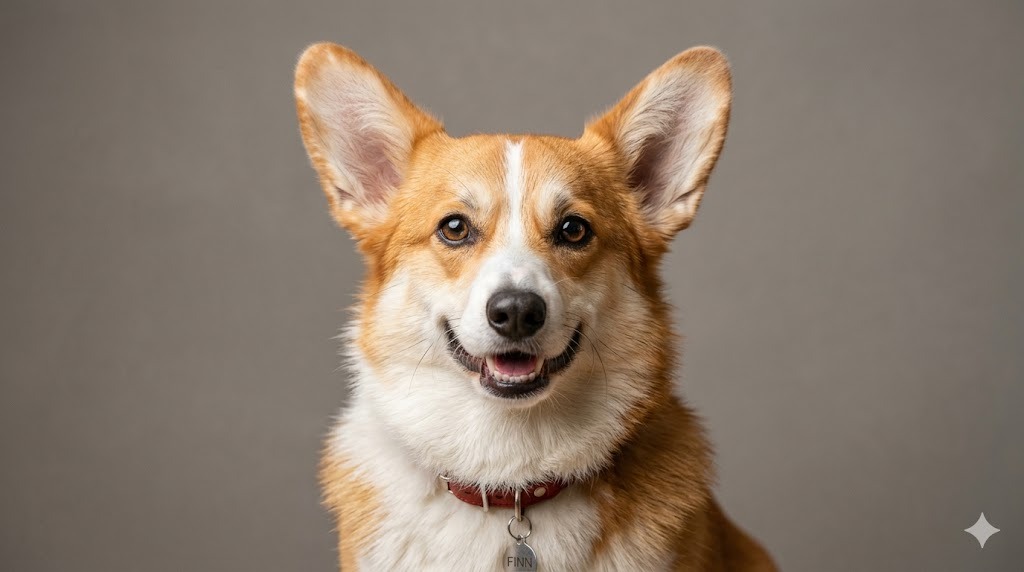
The Pembroke Welsh Corgi is a short-legged, big-personality herder famous for centuries as a Welsh cattle dog and for nearly a century as the favourite breed of Queen Elizabeth II. Confident, intelligent, and surprisingly athletic for its size, the Pembroke retains a strong working drive despite its compact, fox-faced cuteness. The breed is closely related to but distinct from the Cardigan Welsh Corgi, with which it was officially merged until 1934.
History & Origins
Corgis have been working Welsh farms for at least a thousand years. The Pembroke type was developed in the southern Welsh county of Pembrokeshire, probably from Spitz-type dogs brought by Vikings or Flemish weavers in the 10th-11th centuries. The Cardigan, by contrast, descends from older Teckel-like dogs and is more clearly hound-influenced.
The low stance is functional: short legs allowed the Corgi to nip the heels of cattle and duck under their kicks. The breed drove cattle, herded geese, and guarded the farm.
Queen Elizabeth II famously kept over 30 Pembrokes during her reign, beginning with her childhood dog Dookie in 1933. Her last Pembroke, Muick, outlived her in 2022. Royal patronage made the Pembroke one of the most recognisable breeds in the world.
Appearance
Low, sturdy, with a foxy face and big ears. Adults stand 25-30 cm (10-12 in) and weigh 10-14 kg (22-31 lb).
Key features:
- Body: long and low, but not as long as a Dachshund; substantial bone.
- Tail: traditionally docked or naturally bobbed; full natural tails now common in countries that ban docking.
- Ears: large, erect, set fairly wide.
- Coat: medium-length weather-resistant double coat.
- Colour: red, sable, fawn, black-and-tan, all usually with white markings.
The "fluffy" Pembroke - a longhaired variant - is genetic but disqualified in show standards. Increasingly popular as a pet.
Temperament & Character
Confident, bold, alert, and affectionate. Pembrokes are deeply attached to family, smart enough to learn quickly, and stubborn enough to do exactly what they want once they think they know better.
The herding drive is alive and well. Many Pembrokes nip at heels (children's especially), bark to control household movement, and "round up" other pets. Channelled into training, this becomes obedience; ignored, it becomes a daily annoyance.
The breed is vocal - barking at doorbells, vehicles, and minor injustices. They are also notoriously good comedians, with an expressive face that telegraphs every emotion.
Care
Coat & Grooming
Heavy shedding double coat. Brush 2-3 times weekly with a slicker and undercoat rake; daily during the twice-yearly shed when the coat falls out in handfuls.
Bathe every 6-8 weeks. Clean ears weekly. Trim nails monthly. Brush teeth several times weekly. Never shave the double coat - it provides essential insulation.
Exercise & Activity Needs
Surprisingly athletic. Adults need 60 minutes of daily exercise, split between walks and play. The breed excels at agility (yes, with short legs), obedience, herding, scent work, and rally.
Mental stimulation matters. A bored Pembroke barks, herds household members, and eats furniture. Daily training, puzzle toys, and varied walks keep the dog balanced.
Manage jumping. The long back is shorter than a Dachshund's but still vulnerable; discourage jumping off furniture and use ramps when possible.
Health & Lifespan
Average lifespan is 12-14 years.
Common concerns:
- Intervertebral disc disease (IVDD) - long-back risk, less severe than in Dachshunds.
- Hip dysplasia - moderate.
- Degenerative myelopathy (DM) - relatively common; DNA test available.
- Progressive retinal atrophy and cataracts.
- Von Willebrand's disease (clotting disorder) - DNA test available.
- Obesity - the breed gains weight easily.
- Bladder stones in older dogs.
Feeding & Nutrition
Adults typically eat 3/4 to 1½ cups of quality food per day in two meals. The breed is highly food-motivated and gains weight effortlessly. Measure portions and count treats into daily calories.
A lean Pembroke - visible waist, ribs easily felt - moves better, lives longer, and faces fewer back problems. Many vets recommend feeding 10-15% less than the bag instructs.
Pros & Cons
Pros
- Big personality in a compact size.
- Highly intelligent and trainable.
- Sturdy, generally healthy, long-lived.
- Adaptable to apartments with sufficient exercise.
- Devoted, family-oriented, naturally watchful.
Cons
- Heavy shedder - coat in every corner of the house.
- Vocal - barking at every passing event.
- Strong herding drive; nipping at children's heels.
- Prone to weight gain.
- Back vulnerability.
Best Suited For
- Active families with older children.
- Apartment and house living alike, given exercise.
- Owners who enjoy training and dog sports.
- Households tolerant of barking and shedding.
Not suited for noise-sensitive neighbours, families with toddlers (heel-nipping risk), or sedentary owners.
Pembroke Welsh Corgi puppy growth chart
A typical growth curve for a medium breed like the Pembroke Welsh Corgi, estimated from its adult weight of 10-14 kg. Puppies vary with sex, genetics and diet, so treat this as a guide - for your own puppy, use the puppy weight predictor.
| Age | Typical weight | % of adult |
|---|---|---|
| 2 mo | 2.7-3.8 kg | 27% |
| 3 mo | 4-5.6 kg | 40% |
| 4 mo | 5-7 kg | 50% |
| 6 mo | 6.8-9.5 kg | 68% |
| 9 mo | 8.5-11.9 kg | 85% |
| 12 mo | 9.7-13.6 kg | 97% |
| Adult | 10-14 kg | 100% |
Pembroke Welsh Corgi - frequently asked questions
Pembroke vs Cardigan Corgi - what's the difference?
Cardigan is older, slightly larger, with a long tail and rounded ears. Pembroke is smaller, traditionally docked, with more upright ears and a foxier face. Cardigans are generally calmer and rarer.
Are Corgis good with kids?
Generally yes, with respectful older children. Watch the heel-nipping with toddlers - it's herding behaviour, not aggression, but the bite still hurts.
Do they bark a lot?
Yes. The Pembroke is a vocal breed. Training reduces unwanted barking but does not eliminate it.
Can Corgis live in apartments?
Yes, with daily exercise and barking control. Noise-sensitive buildings may not appreciate the breed.
Why did the Queen love them so much?
Elizabeth II grew up with her father's Pembrokes from age seven. She kept the line going privately, breeding from her own dogs. The Queen's preference made the breed an enduring royal and national symbol.
🧠 Test yourself: guess the dog
Three clues from our quiz bank, each about another of our dogs. Can you name them?
Clue 1.Named for a region of northwestern France, this leggy, tailless-or-bobtailed gun dog both points and retrieves upland birds.
It's the Brittany - read the full profile →
Clue 2.Large, athletic, and protective, this molosser sports a broad blocky head and comes in black, fawn, gray, and brindle.
It's the Cane Corso - read the full profile →
Clue 3.Heavy, low-slung, and brachycephalic, this breed's pushed-in face causes snoring and a low tolerance for heat or swimming.
It's the Bulldog (English Bulldog) - read the full profile →
💛 Adoptable Pembroke Welsh Corgis near you
Real dogs of this breed (and close mixes) waiting in shelters and rescues right now, live from Petfinder. We have no affiliation and earn nothing - if someone catches your eye, the link goes straight to their shelter. New to adopting? Start with our adoption guide.
Widget not loading (some ad-blockers hide it)? Search directly on petfinder.com.