Pomeranian
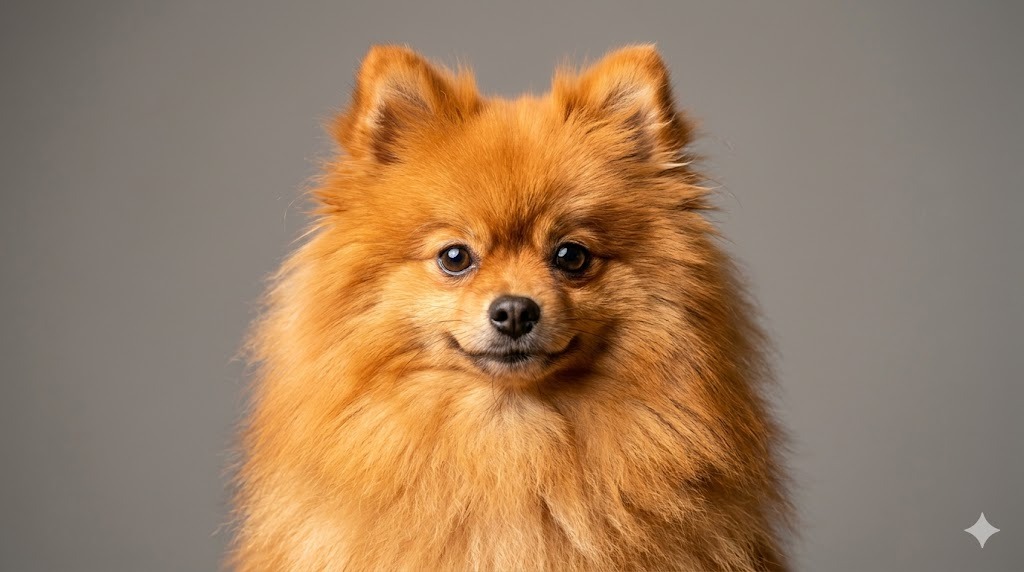
The Pomeranian is the smallest member of the Spitz family - a tiny, foxy-faced, double-coated dog with a personality many times its weight.
🗓️ Last reviewed: June 2026
Overview
The Pomeranian is the smallest member of the Spitz family - a tiny, foxy-faced, double-coated dog with a personality many times its weight. Bred down from much larger Arctic working dogs over the past two centuries, the modern "Pom" is a true toy companion: bold, vocal, intelligent, and unfailingly aware that it is, despite all evidence, the most important being in the room. Royal patronage in the 19th century turned the breed into a Victorian fashion phenomenon, and it has remained one of the most popular small breeds ever since.
History & Origins
The breed traces back to large Spitz-type sled dogs that worked across Lapland, Iceland, and northern Germany. The region of Pomerania (now divided between Germany and Poland) gave the breed its name. Early Pomeranians weighed 10-14 kg - large enough to herd sheep and pull carts.
The breed's dramatic size reduction is owed mostly to Queen Victoria, who fell in love with a small Pom named Marco during an 1888 visit to Florence and brought him home. Her preference for tiny Pomeranians made small size fashionable; within decades the breed had been bred down to roughly the modern 2-3 kg. The AKC recognised the breed in 1900.
Appearance
Tiny, double-coated, foxy-faced. Adults typically weigh 1.8-3.5 kg (4-7.5 lb) and stand 18-28 cm (7-11 in).
Key features:
- Coat: double - soft thick undercoat with a longer, harsh, standoff outer coat. A pronounced ruff frames the head, and the tail plumes over the back.
- Colour: the breed comes in more than 20 recognised colours including orange (most iconic), red, cream, white, black, blue, sable, parti-colour, merle, and brindle.
- Head: wedge-shaped, fox-like, with small erect ears, dark almond eyes, and a short muzzle (not flat).
- Tail: set high, plumed, carried tightly over the back.
Temperament & Character
Bold, lively, and confident. Pomeranians are aware of their surroundings, quick to alert, and often suspicious of strangers initially. Once they accept someone they are warm and affectionate. The breed is intelligent and trainable but stubborn.
The Pomeranian is famously vocal - barking at the doorbell, the postman, leaves blowing past the window, and most other minor events. Training reduces but rarely eliminates this.
Bonds with family are intense; many Poms attach especially strongly to one person and can be jealous of others. Despite the lap-dog appearance the breed enjoys walks, sniffing, and play in safe environments.
Care
Coat & Grooming
The double coat needs real work. Brush 2-3 times weekly with a slicker followed by a metal comb to reach the undercoat. Daily during the twice-yearly heavy shed.
Bathe every 4-6 weeks. Trim hair around feet, sanitary area, and ear edges. Many pet owners keep Poms in a "teddy bear" cut for easier maintenance, though over-clipping can damage the coat texture and cause "post-clipping alopecia" - a frustrating condition where the coat regrows patchy or not at all. Never shave a Pomeranian.
Clean ears weekly. Pluck or trim ear-canal hair. Trim nails every 3 weeks. Brush teeth daily - dental disease is universal in toy breeds.
Exercise & Activity Needs
Modest but real. Adults need 30-45 minutes of daily exercise - walks, indoor play, sniffing time. Pomeranians are surprisingly athletic and enjoy short hikes, agility, scent work, and trick training.
Use a harness, not a collar - the trachea is fragile. Avoid hot pavement (small dogs heat up fast) and cold wet weather (small bodies chill quickly). Many Poms tolerate snow well, given their Arctic ancestry.
Health & Lifespan
Average lifespan is 12-16 years.
Common concerns:
- Dental disease - universal in this breed.
- Tracheal collapse - chronic cough from weakened windpipe. Use a harness.
- Patellar luxation.
- Legg-Calvé-Perthes (hip joint).
- Hypoglycaemia - small puppies and very small adults crash without regular meals.
- Open fontanelle (incomplete skull closure).
- Black skin disease (alopecia X) - a hormonal/genetic condition causing patchy coat loss.
- Heart disease - patent ductus arteriosus, mitral valve disease in older dogs.
- Eye conditions - cataracts, PRA, entropion.
"Teacup Pomeranians" under 1.5 kg are not a separate breed but typically runts or unethically bred dogs with very high health risks. Avoid them.
Feeding & Nutrition
Adults typically eat 1/4 to 1/2 cup of high-quality small-breed food per day, split into two or three meals. Puppies need 3-4 small meals daily to prevent hypoglycaemia.
Many Poms are picky eaters - establish a calm, consistent routine and resist hand-feeding from day one. Treats should be tiny and counted into daily calories.
Pros & Cons
Pros
- Tiny - fits any home, easy travel companion.
- Long-lived (often 13-16 years).
- Big personality, entertaining and devoted.
- Intelligent and trainable.
- Adaptable to apartments.
Cons
- Vocal - barks readily and persistently.
- High grooming requirements; never shave.
- Dental, tracheal, and joint issues common.
- Fragile; injury risk from rough play or large dogs.
- Often spoiled into "small dog syndrome."
Best Suited For
- Singles, couples, retirees wanting a constant companion.
- Apartment dwellers tolerant of barking.
- Allergy-sensitive households (with caution - Poms shed despite their reputation).
- Families with older, gentle children.
- Owners willing to invest in grooming and dental care.
Not suited for households with toddlers, noise-sensitive neighbours, or families with rough-playing large dogs.
Pomeranian puppy growth chart
A typical growth curve for a medium breed like the Pomeranian, estimated from its adult weight of 10-14 kg. Puppies vary with sex, genetics and diet, so treat this as a guide - for your own puppy, use the puppy weight predictor.
| Age | Typical weight | % of adult |
|---|---|---|
| 2 mo | 2.7-3.8 kg | 27% |
| 3 mo | 4-5.6 kg | 40% |
| 4 mo | 5-7 kg | 50% |
| 6 mo | 6.8-9.5 kg | 68% |
| 9 mo | 8.5-11.9 kg | 85% |
| 12 mo | 9.7-13.6 kg | 97% |
| Adult | 10-14 kg | 100% |
Pomeranian - frequently asked questions
Are Pomeranians hypoallergenic?
No - they shed heavily, particularly during seasonal coat blows. Allergy sufferers should consider less coat-heavy breeds.
Do they bark a lot?
Yes. Pomeranians are vocal alarm dogs. Training and socialisation help but the breed will always alert-bark.
Are Poms good with kids?
Better with older, gentle children. Small Pomeranians are easily injured by toddlers and may snap defensively.
Why is my groomer warning me not to shave my Pom?
Shaving can trigger "post-clipping alopecia" - patchy regrowth or no regrowth at all. Reputable groomers will clip rather than shave the body.
How long does a Pomeranian live?
Typically 12-16 years. Lean weight, good dental care, and reputable breeding push the upper end.
🧠 Test yourself: guess the dog
Three clues from our quiz bank, each about another of our dogs. Can you name them?
Clue 1.This imposing Italian mastiff, whose name roughly means 'bodyguard dog', descends from Roman war dogs.
It's the Cane Corso - read the full profile →
Clue 2.A small, floppy-eared hound that inspired a famous cartoon comic-strip dog, it is one of the most popular family pets in the world.
It's the Beagle - read the full profile →
Clue 3.This sleek, energetic pointer wears a solid liver head over a speckled body and excels at dog sports.
It's the German Shorthaired Pointer - read the full profile →
💛 Adoptable Pomeranians near you
Real dogs of this breed (and close mixes) waiting in shelters and rescues right now, live from Petfinder. We have no affiliation and earn nothing - if someone catches your eye, the link goes straight to their shelter. New to adopting? Start with our adoption guide.
Widget not loading (some ad-blockers hide it)? Search directly on petfinder.com.