Shiba Inu
The Shiba Inu is the smallest of Japan's six native Spitz breeds and one of the oldest dog breeds in existence.
🗓️ Last reviewed: June 2026
Overview
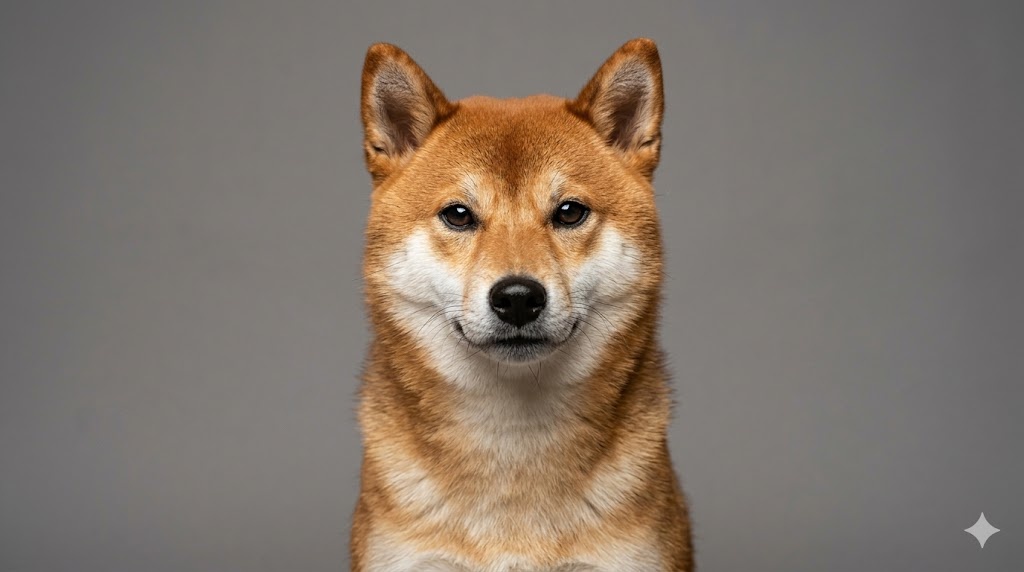
The Shiba Inu is the smallest of Japan's six native Spitz breeds and one of the oldest dog breeds in existence. Compact, fox-like, and intensely independent, the Shiba is a hunting dog turned national companion - bold, cat-like, and famously aloof. Internet fame in the 2010s as the "doge" meme dog made the breed globally recognisable, but the popularity has often outpaced understanding: the Shiba is not an easy dog. Behind the adorable face is a strong-willed, sometimes prickly small dog that does not behave like a Western breed.
History & Origins
The Shiba is an ancient breed. Archaeological evidence shows Shiba-type dogs in Japan from at least 7000 BC. The breed was developed for flushing small game and birds in the mountainous regions of central Japan. Three regional types - Shinshu, Mino, and Sanin - were combined in the 20th century to produce the modern Shiba.
The breed nearly went extinct during World War II from a combination of bombing, food shortages, and a post-war distemper epidemic. Surviving dogs were collected from remote mountain regions and the breed was carefully reconstituted in the 1950s. The name "Shiba Inu" translates as "brushwood dog" - possibly for the dog's coat colour or because it hunted through brushwood.
The Shiba reached the US in 1954 and was officially recognised by the AKC in 1992. Today it is the most popular dog breed in Japan and one of the most popular small breeds globally.
Appearance
Small, compact, fox-like. Adults stand 33-43 cm (13-17 in) and weigh 7-10 kg (15-23 lb).
Key features:
- Coat: thick double coat - harsh straight outer coat with a soft thick undercoat. Built for cold Japanese mountain weather.
- Colour: four official - red (most iconic), red sesame (red with black-tipped hairs), black-and-tan, and cream. The "urajiro" - white or cream markings on the cheeks, throat, chest, belly, and tail underside - is required.
- Head: broad triangular skull with small erect triangular ears and small dark almond eyes set obliquely. The expression is alert, dignified, and decidedly fox-like.
- Tail: thick, set high, curled tightly over the back.
Temperament & Character
Bold, independent, alert. The Shiba is more cat than dog in many respects - clean, fastidious, self-sufficient, and selectively affectionate. Most Shibas bond with one person but maintain emotional distance from others. They are not lap dogs and do not crave constant attention.
With strangers Shibas are reserved or aloof. With other dogs they can be combative, especially same-sex; many Shibas are best as only dogs. Prey drive is high - cats, rabbits, and small animals are at risk.
The "Shiba scream" is famous: a high-pitched, almost human screaming sound the breed makes when restrained, bathed, or upset. New owners are often startled.
Shibas are highly possessive of food, toys, and resting places. Without early training, resource guarding can become serious.
Care
Coat & Grooming
The double coat sheds spectacularly twice yearly - the undercoat falls out in clouds. Brush 2-3 times weekly normally; daily during the spring and autumn shed.
Otherwise low-maintenance. Shibas are famously clean - they groom themselves cat-like and rarely smell. Bathe every 8-10 weeks; over-bathing strips coat oils.
Never shave the double coat. Clean ears weekly, trim nails every 3 weeks, brush teeth several times weekly.
Exercise & Activity Needs
Moderate. Adults need 45-60 minutes of daily exercise - walks, off-leash play in safe areas, training games. The breed is athletic and enjoys agility, lure coursing, and scent work.
Recall is famously unreliable. The breed is fast, prey-driven, and known to be one of the most difficult breeds to retrieve once it escapes. Most Shiba experts advise long lines and never off-leash freedom in unfenced areas.
Health & Lifespan
Average lifespan is 13-16 years.
Common concerns:
- Allergies and skin issues - common.
- Hip dysplasia and patellar luxation.
- Progressive retinal atrophy and cataracts.
- Glaucoma.
- Hypothyroidism.
- Chylothorax - a rare condition where lymphatic fluid accumulates in the chest cavity, more common in this breed.
- GM1 gangliosidosis - a fatal neurological storage disease; DNA test.
Feeding & Nutrition
Adults typically eat 1/2 to 1 cup of quality food per day in two meals. The breed maintains lean weight naturally when exercised properly. Some Shibas are picky eaters; establish a calm feeding routine.
Resource guarding can be severe in this breed. Address feeding behaviour from day one - calm consistent approach, no taking food away as "training" (this creates rather than solves the problem).
Pros & Cons
Pros
- Compact, clean, cat-like - minimal odour or mess.
- Long-lived.
- Strikingly beautiful.
- Independent - doesn't need constant attention.
- Adaptable to apartments.
Cons
- Stubborn and difficult to train in standard ways.
- High prey drive - danger to cats, small pets.
- Reactivity toward same-sex dogs common.
- Heavy seasonal shedding.
- Resource guarding common without prevention.
- Recall unreliable; high escape drive.
- "Shiba scream" startles new owners.
Best Suited For
- Experienced dog owners.
- Singles or couples wanting an independent companion.
- Apartment dwellers (with secure exits - the breed escapes).
- Households without small pets.
- Owners who appreciate cat-like dog personality.
Not suited for households with cats or small pets, families with toddlers, first-time owners expecting traditional dog behaviour, or owners wanting an affectionate lap dog.
Shiba Inu puppy growth chart
A typical growth curve for a toy breed like the Shiba Inu, estimated from its adult weight of 7-10 kg. Puppies vary with sex, genetics and diet, so treat this as a guide - for your own puppy, use the puppy weight predictor.
| Age | Typical weight | % of adult |
|---|---|---|
| 2 mo | 2.3-3.3 kg | 33% |
| 3 mo | 3.2-4.5 kg | 45% |
| 4 mo | 3.9-5.5 kg | 55% |
| 6 mo | 5.3-7.5 kg | 75% |
| 9 mo | 6.7-9.5 kg | 95% |
| 12 mo | 7-10 kg | 100% |
| Adult | 7-10 kg | 100% |
Shiba Inu - frequently asked questions
Are Shibas good first-time dogs?
Rarely. Their independence and stubbornness frustrate owners expecting Lab-like cooperation. Experienced trainers manage them well; first-timers often regret the choice.
Why do they scream?
The "Shiba scream" is a high-pitched protest vocalisation the breed makes when restrained, bathed, or genuinely upset. It is normal, not pathological, but startling to new owners.
Can Shibas live with cats?
Sometimes, with careful raising and supervision. Their prey drive is significant; many Shibas chase or harm cats despite cohabitation.
Are they good with kids?
With respectful older children, yes. The breed's independence and resource-guarding tendencies make it a poor choice for households with toddlers.
Are they hypoallergenic?
No - they shed steadily and "blow coat" heavily twice yearly.
🧠 Test yourself: guess the dog
Three clues from our quiz bank, each about another of our dogs. Can you name them?
Clue 1.Considered one of the most intelligent dog breeds, this hypoallergenic dog is the national breed of France.
It's the Poodle (Standard, Miniature, Toy) - read the full profile →
Clue 2.Famously energetic, this compact hunting terrier of TV fame can leap five times its own height.
It's the Jack Russell Terrier - read the full profile →
Clue 3.Bred to haul ducks from icy American bay waters, this brown gun dog has an oily, wavy waterproof coat.
It's the Chesapeake Bay Retriever - read the full profile →
💛 Adoptable Shiba Inus near you
Real dogs of this breed (and close mixes) waiting in shelters and rescues right now, live from Petfinder. We have no affiliation and earn nothing - if someone catches your eye, the link goes straight to their shelter. New to adopting? Start with our adoption guide.
Widget not loading (some ad-blockers hide it)? Search directly on petfinder.com.