Soft Coated Wheaten Terrier
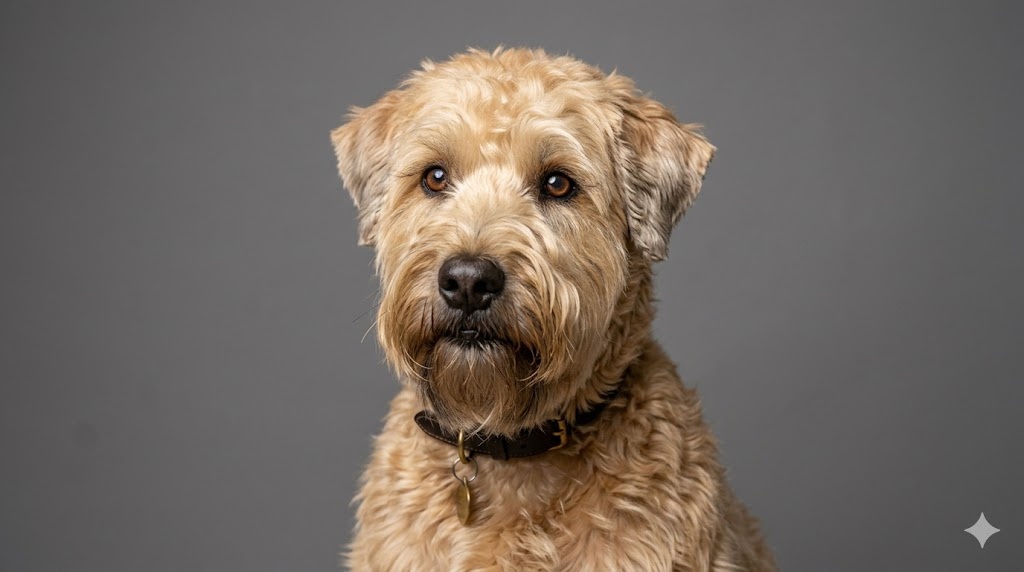
The Soft Coated Wheaten Terrier - commonly called simply the "Wheaten" - is a medium-sized Irish terrier with a uniquely soft, silky, wavy coat the colour of ripening wheat.
🗓️ Last reviewed: June 2026
Overview
The Soft Coated Wheaten Terrier - commonly called simply the "Wheaten" - is a medium-sized Irish terrier with a uniquely soft, silky, wavy coat the colour of ripening wheat. Bred for centuries as an all-purpose Irish farm dog, the Wheaten herded cattle, hunted vermin, and guarded the family home. The breed is friendlier than most terriers, retaining the spirit but tempering the scrappiness - making it one of the more family-tolerant breeds in the terrier group.
History & Origins
Soft Coated Wheaten Terriers worked Irish farms for at least 200 years before the breed was formally recognised. They were the poor man's dog - kept by tenant farmers who were forbidden under English law to own larger sporting breeds. The Wheaten herded sheep and cattle, killed rats, drew badgers, and guarded the farmstead.
The Irish Kennel Club recognised the breed on St. Patrick's Day in 1937 - appropriately, since the Wheaten is one of three Irish terriers (with the Irish Terrier and the Kerry Blue Terrier). The AKC recognised the breed in 1973.
Two distinct grooming styles developed. The Irish trim is shorter and more rustic, matching the breed's working heritage; the American trim is fuller and longer, with elaborate shaping of the body and head furnishings.
Appearance
Medium-sized, balanced, square-built. Males stand 46-48 cm (18-19 in) and weigh 16-20 kg (35-45 lb); females are smaller.
Key features:
- Coat: the breed's defining feature - soft, silky, wavy, ranging from a slight wave to full curl. Single-coated (no undercoat).
- Colour: any shade of wheaten - pale ivory to deep reddish gold. Puppies are born darker and lighten over the first 2 years. Black tipping on ears is acceptable.
- Head: rectangular with a moderate stop and dark almond-shaped eyes.
- Ears: small to medium, set at the level of the skull, dropped forward.
- Tail: historically docked; natural tails increasingly common.
Temperament & Character
Friendly, lively, and confident. The Wheaten is more sociable than most terriers - typically excellent with children, friendly with strangers, and tolerant of other dogs. The breed is rarely aggressive; it leans toward exuberance and "Wheaten greeting" - leaping at visitors with enthusiastic enthusiasm.
The breed is intelligent and biddable but with terrier stubbornness. Wheaten owners describe the personality as "exuberant" rather than "obedient."
Care
Coat & Grooming
The silky coat is significant maintenance. Unlike most terriers, the Wheaten's coat does not "strip" (pluck); it must be clipped, scissored, or kept long with daily brushing.
Daily brushing is essential. The soft coat mats faster than most. Use a slicker followed by a metal comb. Skipping a few days creates painful pelts.
Professional grooming every 6-8 weeks. Both the Irish and American trims require skill - find a groomer experienced with Wheatens.
Bathe every 4-6 weeks. Trim hair around eyes for visibility. Trim sanitary area. Clean ears weekly; pluck or trim ear-canal hair. Brush teeth several times weekly. Trim nails every 3 weeks.
The Wheaten is famously low-shedding. Many allergy sufferers tolerate the breed well.
Exercise & Activity Needs
Moderate to high. Adults need 60 minutes of daily exercise - walks, off-leash play, training games. The breed enjoys agility, rally, scent work, and earthdog at amateur level.
Health & Lifespan
Average lifespan is 12-14 years.
Common concerns:
- Protein-losing nephropathy (PLN) and protein-losing enteropathy (PLE) - breed-specific kidney and intestinal diseases. Choose a breeder who openly screens for these via annual urine and blood testing.
- Renal dysplasia.
- Addison's disease.
- Hip dysplasia.
- Progressive retinal atrophy.
- Allergies.
PLN and PLE are the most serious breed concerns. Reputable Wheaten breeders test their breeding stock annually and discuss the risk openly.
Feeding & Nutrition
Adults typically eat 1½-2½ cups of quality food per day in two meals. The breed maintains lean condition naturally when exercised.
Some Wheatens require low-protein diets if PLN/PLE develops. Annual veterinary screening for kidney function is standard.
Pros & Cons
Pros
- Friendly, family-oriented temperament.
- Low-shedding; often suitable for allergy sufferers.
- Friendlier than most terriers.
- Sturdy, athletic, capable of sport.
- Distinctive, beautiful appearance.
Cons
- High coat maintenance.
- PLN/PLE - serious breed-specific kidney/GI risks.
- "Wheaten greeting" - exuberant jumping if untrained.
- Stubborn at times.
- Expensive when bought from health-tested breeders.
Best Suited For
- Active families with children.
- Allergy-sensitive households.
- Owners willing to commit to grooming or budget for professional care.
- Suburban and rural homes.
- Multi-pet households.
Not suited for households unable to maintain coat, owners wanting a low-maintenance pet, or families unaware of PLN/PLE risks.
Soft Coated Wheaten Terrier puppy growth chart
A typical growth curve for a medium breed like the Soft Coated Wheaten Terrier, estimated from its adult weight of 16-20 kg. Puppies vary with sex, genetics and diet, so treat this as a guide - for your own puppy, use the puppy weight predictor.
| Age | Typical weight | % of adult |
|---|---|---|
| 2 mo | 4.3-5.4 kg | 27% |
| 3 mo | 6.4-8 kg | 40% |
| 4 mo | 8-10 kg | 50% |
| 6 mo | 10.9-13.6 kg | 68% |
| 9 mo | 13.6-17 kg | 85% |
| 12 mo | 15.5-19.4 kg | 97% |
| Adult | 16-20 kg | 100% |
Soft Coated Wheaten Terrier - frequently asked questions
Are Soft Coated Wheaten Terriers hypoallergenic?
No dog is fully hypoallergenic, but the Wheaten shed minimally and produce low dander. Many allergy sufferers tolerate them.
What is the "Wheaten greeting"?
A breed-typical exuberant jumping greeting where the dog leaps at visitors with enthusiasm. Training can manage it; the trait is genetic.
Are they good with kids?
Generally excellent - friendly, playful, gentle. Among the most family-tolerant terriers.
What is PLN/PLE?
Protein-losing nephropathy (kidney) and protein-losing enteropathy (intestine) - serious breed-specific diseases where the body loses protein through the kidneys or gut. Annual screening from breeding age catches early cases.
Wheaten vs Lagotto vs Poodle - which is best for allergies?
All three are low-shedding curly/wavy-coated breeds. Wheaten has the softest coat but PLN/PLE concern. Lagotto is robust and has truffle-hunting skills. Standard Poodle is the largest and most trainable. Choice depends on size preference and breeder availability.
🧠 Test yourself: guess the dog
Three clues from our quiz bank, each about another of our dogs. Can you name them?
Clue 1.This sleek golden-rust Hungarian gundog is known as a 'velcro' breed for sticking closely to its owner's side.
It's the Vizsla - read the full profile →
Clue 2.A cheerful, hypoallergenic-friendly lapdog that looks like a small white powder puff, it is playful and bonds closely with its family.
It's the Bichon Frise - read the full profile →
Clue 3.A large gray-and-white companion, this dog of paint-advert fame needs hours of grooming to prevent matting.
It's the Old English Sheepdog - read the full profile →
💛 Adoptable Soft Coated Wheaten Terriers near you
Real dogs of this breed (and close mixes) waiting in shelters and rescues right now, live from Petfinder. We have no affiliation and earn nothing - if someone catches your eye, the link goes straight to their shelter. New to adopting? Start with our adoption guide.
Widget not loading (some ad-blockers hide it)? Search directly on petfinder.com.