🐾 Smart pet care, real pet parent NEW 50+ buyer guides published πŸ“© Weekly newsletter As an Amazon Associate we earn from qualifying purchases
Home/ Pets/ Reptiles/ Blue-Tongue Skink

Blue-Tongue Skink

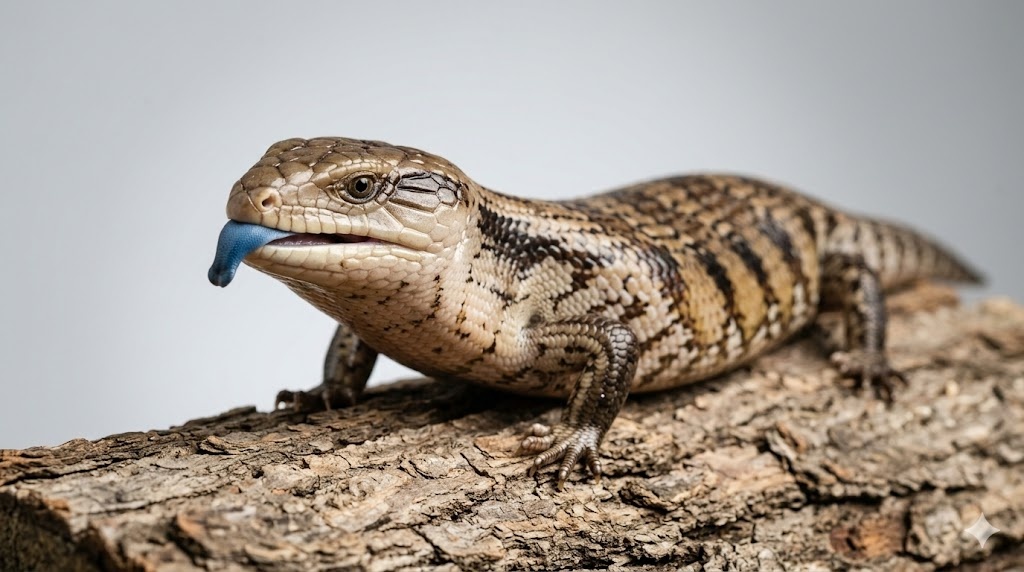
The Blue-Tongue Skink is an Australian and Indonesian lizard known for its bright blue tongue (displayed when threatened) and dog-like, interactive personality.

🦎
🐾
Coming soon
πŸ“Ί Video guide in production

Blue-Tongue Skink β€” the full video guide

Coming soon. Subscribe to the newsletter to get notified when this video drops.

Lifespan
15–20 years
Category
Reptiles
Difficulty
See care section

Overview

The Blue-Tongue Skink is an Australian and Indonesian lizard known for its bright blue tongue (displayed when threatened) and dog-like, interactive personality. Among the most affectionate reptiles, Blueys recognise their owners, "smile" with their open mouths, and have become increasingly popular as pets.

Natural History

Several species in the Tiliqua genus, native to Australia, Indonesia, and Papua New Guinea. Live in forests, grasslands, and scrub. Diurnal terrestrial omnivores.

Common pet species:

  • Northern Blue-Tongue (Tiliqua scincoides intermedia) β€” most popular.
  • Indonesian Blue-Tongue (Tiliqua gigas) β€” more aggressive.
  • Eastern Blue-Tongue (Tiliqua scincoides scincoides).
  • Centralian (Tiliqua multifasciata).

Appearance

Adults 45–60 cm length, 400–600 g. Stocky body, short legs, long tongue.

Banded brown/grey/orange patterns by species and locality.

Temperament & Handling

Calm, curious, tolerant. Among the most handleable lizards. Northern Blue-Tongues are typically calmest; Indonesians can be more defensive.

The blue tongue is displayed as a warning when threatened β€” predators are startled by the bright colour.

Enclosure

Minimum: 1.2 Γ— 0.6 Γ— 0.4 m for one adult. Larger preferred. Glass, PVC, or wooden enclosure.

Provide:

  • Deep substrate (15+ cm) for burrowing β€” they love to dig.
  • Hides on warm and cool sides.
  • Shallow water dish.
  • Branches and rocks.

Heating & Lighting

  • Basking spot: 35–40Β°C.
  • Warm side ambient: 27–32Β°C.
  • Cool side: 22–25Β°C.
  • Night: can drop to 20–24Β°C.
  • UVB essential β€” high-output (Arcadia 12% or T5 10.0).

Humidity

40–60% (Northern); higher for Indonesian species.

Diet

Omnivore. Diverse diet:

  • Protein: insects (dubia roaches, crickets, hornworms), cooked chicken/turkey, fish, eggs, high-quality dog food (occasionally).
  • Plant: dark leafy greens, vegetables (squash, carrot), berries, melon.
  • Calcium + vitamins.

Mix at roughly 50/50 plant/protein for adults.

Health & Lifespan

15–20 years.

Common concerns:

  • Obesity β€” major issue.
  • Metabolic bone disease.
  • Mites and parasites.
  • Respiratory infections.
  • Mouth rot.

Pros & Cons

Pros:

  • Calm, dog-like personality.
  • Long-lived.
  • Tolerates handling well.
  • Omnivorous diet allows variety.
  • Diurnal.

Cons:

  • Some species can be defensive (Indonesian).
  • 15–20 year commitment.
  • UVB and proper temperatures essential.
  • Obesity risk.

FAQ

Why blue tongue? A defensive display β€” bright blue tongue plus open mouth startle predators.

Are they good for kids? Yes β€” among the most handleable reptiles for older children.

How long do they live? 15–20 years; some over 20.

Northern vs Indonesian β€” which is better? Northern: calmer, more popular, easier. Indonesian: more defensive, more humidity-dependent.

Do they bite? Rarely. Even defensive Blue-Tongues prefer display over biting.

🎬 YOUTUBE LONG-FORM SCRIPT

Working title

The Blue-Tongue Skink β€” The Friendly Australian Lizard With the Blue Tongue

Estimated length

10–12 minutes

Thumbnail concept

Blue-tongue skink with mouth open and bright blue tongue extended. Caption: "BRIGHT BLUE WARNING".

Thumbnail Image Prompt

Studio photograph of a blue-tongue skink with mouth open showing brilliant cobalt-blue tongue extended, brown-and-tan banded body, alert dark eyes, soft natural background, warm side lighting, 85mm lens at f/2.5, professional pet reptile photography, dramatic alert expression.

Description with timestamps

Blue-tongue skinks are stocky, friendly, intelligent Australian lizards β€” and one of the most engaging pet reptiles. Today we cover the species, setup, diet, handling, health, and whether a blue-tongue fits your home.

⏱ Timestamps 00:00 Intro Hook 01:00 Origin: Australia and Indonesia 02:30 Setup: 120 cm Vivarium 04:00 Diet: Omnivore, Varied 05:30 Handling and Temperament 07:00 Health: MBD, Tumours 08:30 3 Biggest Mistakes New Owners Make 10:00 Is a Blue-Tongue Right For You? 11:00 Outro

πŸ”” Subscribe for a new species each week.

00:00–01:00 INTRO HOOK

"Blue-tongue skinks are stocky, friendly, intelligent Australian lizards. They live 20–30 years, tolerate handling beautifully, eat omnivorous diets, and engage with their owners more than most reptiles. Today: complete blue-tongue care."

01:00–02:30 ORIGIN: AUSTRALIA AND INDONESIA

"Several species in the genus Tiliqua. Most common in the pet trade: Northern blue-tongue (T. scincoides intermedia) β€” Australian, larger. Eastern blue-tongue (T. scincoides scincoides) β€” common in Australia. Indonesian (T. gigas) β€” large, dark, sometimes more nervous. The blue tongue is a defensive display β€” flashed at predators."

02:30–04:00 SETUP: 120 CM VIVARIUM

"Minimum: 120 Γ— 60 Γ— 45 cm for adults. Substrate: aspen, cypress, paper, or bioactive. Temperature: basking 35–40Β°C, cool side 22–25Β°C, night 18–22Β°C. UVB: high-output T5 essential. Hides and basking spot. Water dish: large enough to soak."

04:00–05:30 DIET: OMNIVORE, VARIED

"Diet roughly 50% animal protein, 40% vegetables, 10% fruit. Animal: lean cooked meat, eggs, low-fat dog food, snails, insects. Vegetables: leafy greens, squash, peppers, carrot. Fruit: small portion of berries, melon. Calcium and vitamin supplementation. Feeding 2–3 times weekly for adults. Never: avocado, citrus, fatty processed foods, raw meat without veterinary guidance."

05:30–07:00 HANDLING AND TEMPERAMENT

"Blue-tongues are excellent handling lizards. Most become genuinely tame. Support full body. Sessions: 15–30 minutes, several times weekly. Bites are powerful β€” handle confidently."

07:00–08:30 HEALTH: MBD, TUMOURS

"Lifespan 20–30 years. Metabolic bone disease. Obesity from overfeeding. Tumours in older skinks. Atadenovirus (Indonesian especially). Find an exotics vet."

08:30–10:00 3 BIGGEST MISTAKES NEW OWNERS MAKE

"Mistake one: insufficient UVB. How to avoid: high-output T5. Mistake two: dog/cat food only. Unbalanced. How to avoid: varied omnivore diet. Mistake three: small vivarium. How to avoid: 120 cm minimum."

10:00–11:00 IS A BLUE-TONGUE RIGHT FOR YOU?

"Checklist: 120 cm vivarium. Varied diet feasible. Exotics vet identified. 20-30 year commitment. You want a handleable reptile. Tick four β€” the blue-tongue is excellent."

11:00–11:30 OUTRO AND CTA

"That is the blue-tongue skink β€” friendly Australian lizard, engaging companion. Next species? Comment below. Subscribe and the bell. Next week: the green iguana β€” the difficult giant tropical lizard." (End screen: subscribe button, 'watch next: Green Iguana' thumbnail, channel logo)

One smart pet email a week.

Vet-reviewed care, training, and gear. No spam, unsubscribe in one click.

🐢
🐱
🐰