🐾 Smart pet care, real pet parent NEW 50+ buyer guides published πŸ“© Weekly newsletter As an Amazon Associate we earn from qualifying purchases
Home/ Pets/ Small Mammals/ Guinea Pig

Guinea Pig

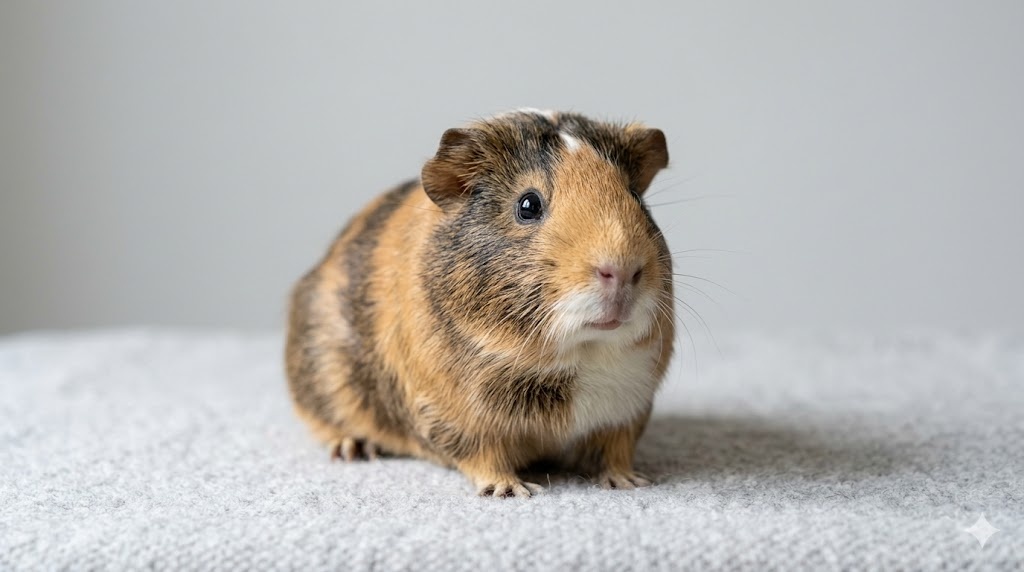
The guinea pig (Cavia porcellus) is one of the most beloved small mammal pets β€” a vocal, social, ground-dwelling rodent originally domesticated in South America for food.

πŸ‡
🐾
Coming soon
πŸ“Ί Video guide in production

Guinea Pig β€” the full video guide

Coming soon. Subscribe to the newsletter to get notified when this video drops.

Lifespan
5–8 years
Category
Small Mammals
Difficulty
See care section

Overview

The guinea pig (Cavia porcellus) is one of the most beloved small mammal pets β€” a vocal, social, ground-dwelling rodent originally domesticated in South America for food. Modern pet guinea pigs are friendly, communicative, and well-suited to families willing to invest in proper space, diet, and companionship.

Natural History & Origin

Domesticated by Andean peoples (in modern Peru, Ecuador, Bolivia) around 5,000 BC, originally for meat and ceremonial use. Spanish explorers brought them to Europe in the 1500s, where they became aristocratic pets. The wild ancestor is debated but likely Cavia tschudii.

Guinea pigs are not pigs, not from Guinea, and not closely related to other small rodents. Their nearest pet relatives are chinchillas and capybaras.

Appearance

Adults weigh 700–1200 g, length 20–25 cm.

Coat varieties:

  • American (short smooth hair) β€” most common.
  • Abyssinian (rosettes/whorls) β€” wiry hair in cowlicks.
  • Peruvian (long hair) β€” needs daily grooming.
  • Silkie/Sheltie (long backward hair) β€” no forehead sweep.
  • Texel (long curly hair) β€” high maintenance.
  • Skinny Pig (hairless) β€” special care.
  • Many others.

Temperament & Handling

Friendly, vocal, social. Guinea pigs communicate in a wide vocabulary β€” squeaks, wheeks, purrs, chutters. They recognise owners and call out when humans approach the kitchen.

Generally easy to handle. Less likely to bite than hamsters or rats. Pick up by supporting the body fully (one hand under chest, one under hindquarters).

Housing

Minimum enclosure: 1 mΒ² for one cavy, 1.2 mΒ² for two β€” large rectangular pens, not tiny pet-shop cages. Cubes-and-coroplast (C&C) cages built from grid panels are the gold standard.

Provide:

  • Hay constantly available (timothy or other grass hay).
  • Hideouts (multiple).
  • Heavy ceramic food bowl.
  • Water bottle plus shallow bowl.
  • Solid flooring (no wire bottom β€” causes pododermatitis).
  • Paper-based bedding (no pine or cedar shavings).

Indoors only. Guinea pigs cannot regulate body temperature in heat or cold; outdoor housing is dangerous.

Diet

  • Unlimited timothy or other grass hay (alfalfa for under 6 months only).
  • Fresh leafy greens daily β€” romaine, parsley, cilantro, kale (limited), bell pepper.
  • Plain timothy pellets β€” 1–2 tablespoons daily.
  • Vitamin C β€” guinea pigs (like humans and great apes) cannot synthesise vitamin C. Daily fresh vegetables high in C (bell pepper, parsley) or vitamin C supplement essential. Deficiency causes scurvy.
  • Limited fruit β€” small piece 2–3 times weekly.

Avoid: iceberg lettuce, dairy, grain-based treats, seeds, nuts, onion/garlic, chocolate.

Health & Lifespan

5–8 years average.

Major concerns:

  • Vitamin C deficiency (scurvy) β€” universal without supplementation.
  • Bumblefoot (pododermatitis) β€” from wire floors or wet bedding.
  • Respiratory infections β€” common, can be fatal.
  • Dental disease β€” overgrown molars.
  • Bladder stones β€” calcium-related; reduce calcium-rich foods.
  • Pregnancy complications β€” females over 6 months who haven't bred are at risk of dystocia. Never breed older first-time females.
  • Ovarian cysts.
  • Ringworm and parasites.

Find an exotic vet experienced with guinea pigs before getting one.

Social Needs

Guinea pigs are obligate herd animals. Keeping a single guinea pig is considered abusive in many countries (illegal in Switzerland). Always keep at least two, ideally same-sex pairs (two females or two neutered males).

Pros & Cons

Pros:

  • Sociable, vocal, communicative.
  • Easier to handle than most small mammals.
  • Good for older children.
  • Don't bite often.
  • 5–8 year companions.

Cons:

  • Must be kept in pairs (or more).
  • Large space requirement.
  • Daily fresh greens needed.
  • Exotic vet required.
  • Lifespan shorter than expected.

Best Suited For

  • Families with children (older than 6, supervised).
  • Households with space for large pen.
  • Multi-pig homes.

Not suited for households unable to keep at least two, or those with no space for proper-sized enclosure.

FAQ

Can I keep just one guinea pig? Strongly discouraged. Switzerland legally requires pairs. Single guinea pigs become depressed and short-lived.

Are they good for kids? Yes for ages 6+, with parental supervision. Better than hamsters because of friendlier temperament.

How long do they live? 5–8 years average. Some reach 10+.

Do they bite? Rarely. Among the gentlest small pets.

What about pellets in pet shops with seeds? Avoid mixed seed-based foods entirely β€” guinea pigs select sugary bits and ignore healthy components. Use plain timothy pellets only.

🎬 YOUTUBE LONG-FORM SCRIPT

Working title

The Guinea Pig β€” The Gentle Social Herbivore

Estimated length

10–12 minutes

Thumbnail concept

Two guinea pigs side by side eating greens. Caption: "ALWAYS GET TWO".

Thumbnail Image Prompt

Studio photograph of two guinea pigs side by side eating fresh romaine lettuce, one black and white, one ginger, soft hay scattered, warm wooden background, gentle natural lighting, 85mm lens at f/2.2, professional pet photography, content engaged expressions, fluffy coats clearly visible.

Description with timestamps

Guinea pigs are gentle social herbivores from the Andes β€” and require very specific care most owners get wrong. Today we cover the right setup, diet (including the vitamin C problem), social needs, health, and whether a guinea pig pair is right for you.

⏱ Timestamps 00:00 Intro Hook 01:00 Andean Social Herbivore 02:30 Setup: Floor Space, Not Cage Height 04:00 Diet: Hay, Greens, Vitamin C 05:30 Social Needs: Same-Sex Pairs 07:00 Health: Vitamin C, Skin, Dental 08:30 3 Biggest Mistakes New Owners Make 10:00 Is a Guinea Pig Pair Right For You? 11:00 Outro

πŸ”” Subscribe for a new species each week.

00:00–01:00 INTRO HOOK

"Guinea pigs are gentle, social, vocal, and surprisingly demanding. They live five to eight years. They need a pair, a large floor space, daily fresh greens with vitamin C, and an exotics vet. Today: the right way to keep guinea pigs."

01:00–02:30 ANDEAN SOCIAL HERBIVORE

"Guinea pigs are domesticated descendants of the wild cavy of the Andean highlands. They were domesticated by indigenous Andean peoples five to seven thousand years ago β€” originally as food, later as companions. They are highly social. Wild cavies live in groups of five to ten. A solitary pet guinea pig is genuinely lonely. They are also vocal β€” wheek, rumble, purr, chatter, scream β€” and bond strongly with humans who handle them gently from an early age."

02:30–04:00 SETUP: FLOOR SPACE, NOT CAGE HEIGHT

"Floor space matters; cage height does not β€” guinea pigs do not climb. Minimum: 1 mΒ² per pig, 1.5 mΒ² for two, 2 mΒ² for three. Larger is better. Avoid pet-shop cages β€” most are too small. C&C grids (cubes-and-coroplast) or large indoor pens are standard. Floor: soft bedding (paper-based or fleece liners). Skip wood shavings (respiratory irritation, especially cedar). Hiding: two enclosed boxes per pig. Hay rack: unlimited hay 24/7. Timothy hay for adults. Water: bottle or shallow bowl, refreshed daily. Temperature: 18–24Β°C. Guinea pigs heat-stroke easily above 26Β°C."

04:00–05:30 DIET: HAY, GREENS, VITAMIN C

"Hay: 80 percent of diet. Timothy hay. Unlimited 24/7. Fresh vegetables: 10–15 percent. Daily portion of romaine, kale, parsley, coriander, bell pepper (high in vitamin C). Rotate to avoid bladder stones β€” high-calcium greens like spinach only occasionally. Pellets: 5–10 percent. One tablespoon per pig per day. Plain timothy-based pellets β€” no muesli or seed mixes (pigs pick out fattening bits). The vitamin C problem: guinea pigs, like humans, cannot synthesise vitamin C. Without daily fresh sources, they develop scurvy. Bell pepper, kale, parsley provide it. Pellets are fortified but lose potency fast. Treats: small piece of strawberry, apple, cucumber occasionally. Never: iceberg lettuce, dairy, bread, nuts, seeds, chocolate, onion, garlic, potatoes, citrus peel."

05:30–07:00 SOCIAL NEEDS: SAME-SEX PAIRS

"Guinea pigs must live in pairs or trios. Solo pigs become depressed. Same-sex pairs are easiest β€” two neutered males or two females. Boar-sow pairs work if the boar is neutered. Switzerland legally requires owners to keep guinea pigs in pairs. Bonding: introduce in neutral territory. Most same-sex pigs bond within a few hours to a few days."

07:00–08:30 HEALTH: VITAMIN C, SKIN, DENTAL

"Lifespan five to eight years. Common health issues: Scurvy from vitamin C deficiency. Skin problems: mites, fungal infections β€” both treatable, both preventable. Dental disease: continuously growing teeth. Hay-heavy diet prevents most issues. Bladder stones: high-calcium diets predispose. Limit alfalfa. Bumblefoot: pressure sores on feet from rough or wire flooring. Respiratory infection: bacterial pneumonia, often from stress or poor ventilation. Treatable if caught early. Heat stroke: above 26Β°C ambient. Find an exotics vet before getting the pigs."

08:30–10:00 3 BIGGEST MISTAKES NEW OWNERS MAKE

"Mistake one: keeping a solo pig. Cruel by modern standards. How to avoid: always two or more. Mistake two: muesli mixes and no vitamin C. Selective feeding causes obesity and deficiency. How to avoid: plain pellets, daily fresh greens with vitamin C. Mistake three: wood shavings. Respiratory irritation, especially cedar. How to avoid: paper bedding or fleece liners."

10:00–11:00 IS A GUINEA PIG PAIR RIGHT FOR YOU?

"Checklist: You can dedicate 1.5 mΒ² minimum. You will keep two or more. You can budget for fresh greens daily. You can find an exotics vet. You commit to a 5–8-year animal. Tick four β€” the pair is wonderful. Tick fewer β€” choose another pet."

11:00–11:30 OUTRO AND CTA

"That is the guinea pig β€” gentle, social, demanding done right. Worth every effort. Next species? Comment below. Subscribe and the bell. Next week: the Syrian hamster β€” the solo desert nocturnal." (End screen: subscribe button, 'watch next: Syrian Hamster' thumbnail, channel logo)

One smart pet email a week.

Vet-reviewed care, training, and gear. No spam, unsubscribe in one click.

🐢
🐱
🐰