Rabbit (Domestic)
The domestic rabbit is one of the most popular small mammal pets in the world - a quiet, affectionate, intelligent animal that can be litter-trained, allowed to roam the house, and lives for a decade or more.
🗓️ Last reviewed: June 2026
Overview
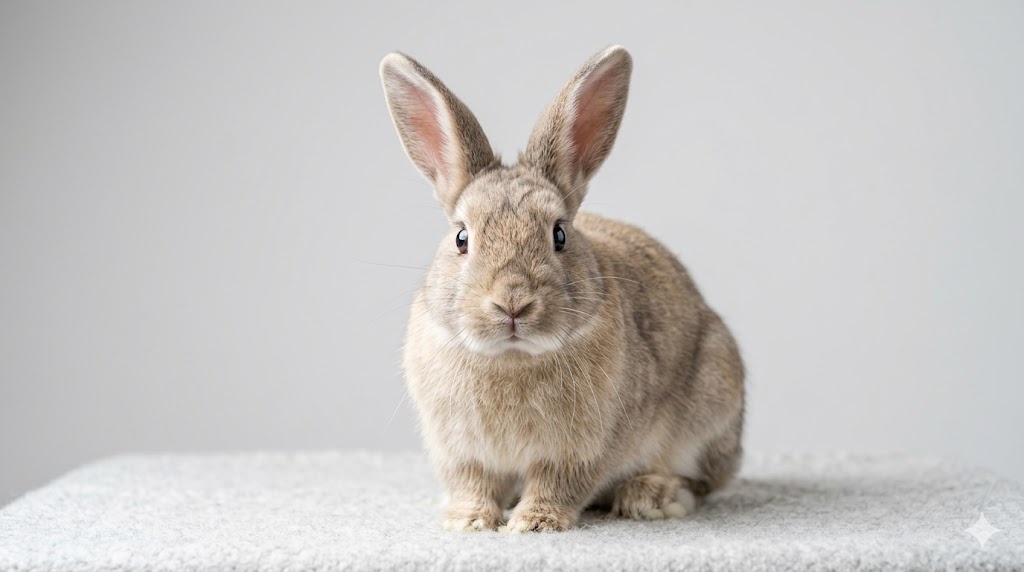
The domestic rabbit is one of the most popular small mammal pets in the world - a quiet, affectionate, intelligent animal that can be litter-trained, allowed to roam the house, and lives for a decade or more. Despite the popular image of rabbits as "easy first pets" or "starter pets for children," rabbits are actually complex, fragile, and demanding animals - closer in care needs to a cat than to a hamster.
Natural History & Origin
All domestic rabbits descend from the European Rabbit (Oryctolagus cuniculus), native to Iberia and southwestern France. Domestication began with monasteries in the Middle Ages, initially for meat. Selective breeding for colour and shape produced dozens of recognised breeds.
Domestic rabbits cannot survive long in the wild and are not the same species as wild American cottontails or hares.
Appearance
Enormous variation. Recognised breeds range from 1 kg (Netherland Dwarf) to 10+ kg (Flemish Giant).
Popular pet breeds:
- Holland Lop, Mini Lop, French Lop: drop ears, friendly temperament.
- Netherland Dwarf: smallest pet rabbit, alert ears.
- Lionhead: mane around the head.
- Rex: velvety short coat.
- English Angora: very long wool.
- Flemish Giant: largest breed, 6-10 kg.
- Dutch: distinctive bicolour pattern.
Temperament & Handling
Quiet, intelligent, social. Rabbits are prey animals and naturally cautious - bonds with humans build over weeks, not days. Once bonded, rabbits are affectionate, recognise their owners, come when called, and enjoy gentle petting.
Critical handling note: rabbits have lightweight skeletons with powerful hind legs. They can break their own backs by kicking against being held incorrectly. Most prefer to be petted on the ground rather than held. Children must be carefully supervised - many rabbits surrendered to shelters arrived after being dropped.
Rabbits are not "starter pets" for children. They are fragile, complex, and require adult-level care.
Housing
Modern best practice is "free roaming" or a large enclosed pen/room - not a small hutch. Minimum enclosed space: 4-6 m² per rabbit. Cages sold in pet shops are usually too small.
Provide:
- Hiding box.
- Litter box with paper-based or hay-based litter (corn cob, clay, and pine/cedar are dangerous).
- Hay constantly available.
- Water in a heavy bowl (bottles are inferior).
- Rabbit-proofed area (chewing cables, baseboards, carpets is universal).
- Flooring with traction - not slippery floors.
Outdoor rabbits face predators, weather extremes, parasites, and disease. Indoor rabbits live significantly longer.
Diet
Approximately:
- 80% grass hay (timothy, orchard, meadow) - unlimited, all day.
- 15% fresh leafy greens - daily mix of romaine, herbs, kale, parsley.
- 5% pellets - small portion of plain timothy-based pellets.
- Treats - very limited fresh fruit or carrot. Pet shop yogurt drops, seed sticks, and corn-based treats are dangerous.
Avoid completely: iceberg lettuce, dairy, bread, chocolate, onion, garlic, raw potato. Alfalfa hay is for young rabbits only (too rich for adults).
Constant access to fresh water - bowls preferred.
Health & Lifespan
8-12 years (some live 14+).
Major concerns:
- GI stasis - stopped gut; the #1 rabbit emergency. Triggered by stress, dehydration, low-fibre diet. Symptoms: not eating, small or no droppings. Veterinary emergency.
- Dental disease - rabbit teeth grow continuously; soft food causes overgrowth.
- Pododermatitis ("sore hocks") - from inadequate flooring.
- Uterine cancer in unspayed females - up to 80% by age 5. Spay all female rabbits at 6 months.
- RHDV2 (rabbit haemorrhagic disease) - fatal viral disease; vaccine available in many countries.
- Myxomatosis - vaccine available.
- Parasites - fleas, ear mites, encephalitozoon cuniculi.
- Heat stroke - rabbits cannot tolerate temperatures above 25°C.
Find an exotic vet experienced with rabbits before getting one. Many small-animal vets are not properly trained for rabbits.
Pros & Cons
Pros:
- Quiet (no barking or meowing).
- Can be litter-trained.
- Intelligent and bondable.
- Allergy-friendly for many people.
- 10+ year companions.
Cons:
- Surprisingly expensive (vet, hay, space).
- Fragile - not for young children.
- Chew everything if not supervised.
- GI stasis emergencies.
- Exotic vet required.
- Best kept in pairs.
Best Suited For
- Adults and older children with parental supervision.
- Households with space for free-roaming or large pen.
- Allergy-sensitive owners.
- Those wanting a quiet long-lived companion.
Not suited for households expecting an "easy pet for kids," small apartments without bunny-proof space, or owners unwilling to budget for exotic vet care.
Rabbit (Domestic) - frequently asked questions
Are rabbits good pets for kids?
Not as the child's sole responsibility. They are fragile, complex, and need adult-level care. Surrender rates after Easter rabbits are notoriously high.
Can I keep a rabbit in a cage?
Not in the small cages typically sold. Minimum housing is 4-6 m² of pen/room space, with several hours of free-roaming daily.
How long do they live?
8-12 years on average. Some reach 14-15.
Do they need a friend?
Strongly recommended. A single rabbit is often lonely. Bonded pairs are the gold standard.
Are they expensive?
Yes. Initial setup ($300-$600), monthly hay/greens ($30-$50), annual vet (vaccines, exotic vet visit) ($100-$300+). Emergency care is often $500-$2000.
🧠 Test yourself: guess the small mammal
Three clues from our quiz bank, each about another of our small mammals. Can you name them?
Clue 1.A pocket-sized Australian and New Guinean pet that glides on a stretchy flap of skin and bonds intensely with its colony.
It's the Sugar Glider - read the full profile →
Clue 2.Far smarter than its reputation, this domesticated brown rodent can learn its name and be litter-trained.
It's the Fancy Rat - read the full profile →
Clue 3.This social herbivore is born fully furred with open eyes and can run within hours of birth.
It's the Guinea Pig - read the full profile →
Social Needs
Rabbits are social. A single rabbit will be lonely; most experts recommend keeping two (bonded, opposite sex, both neutered).
Bonding two rabbits takes time and patience - slow gradual introductions over weeks. Established bonded pairs do well together.
Rabbits and other pets: dogs and cats can be safe companions if introduced carefully. Predators (hawks, etc.) are obviously dangerous outdoors.