Best Dog Water Fountains 2026: Filtered, Quiet, and Stainless Steel Picks
Compare the top dog and cat water fountains of 2026 - PetSafe Drinkwell, Veken, PetLibro, Catit. Filtration, noise, capacity, and which one keeps pets drinking.
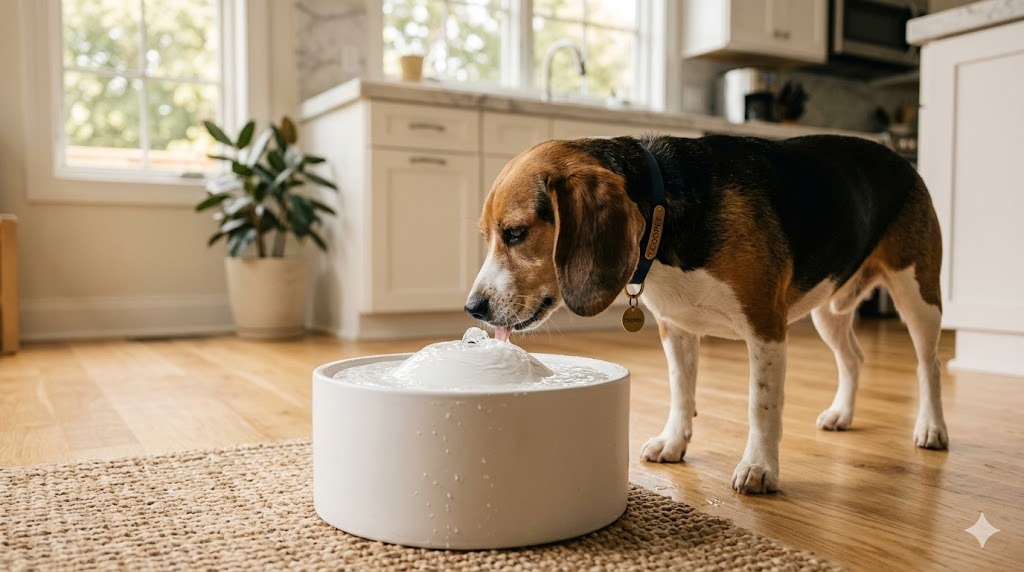
Best Dog Water Fountains 2026: Filtered, Quiet, and Stainless Steel Picks
The best pet water fountain is a quiet, easy-to-clean model with good filtration - PetSafe Drinkwell and PetLibro lead the field, and a stainless-steel design is best if your pet is acne-prone or you want simpler cleaning. Running water simply gets dogs and cats to drink more, which protects the kidneys and urinary tract.
Dogs and cats need more water than most owners realize, and many don’t drink enough. Chronic mild dehydration contributes to urinary stones, kidney disease, urinary tract infections, and constipation - conditions that affect millions of pets annually. The simplest intervention with proven impact: a running water fountain.
Pets are biologically wired to prefer moving water (still water in nature is often contaminated). Studies show fountain access increases daily water intake by 30-70% in cats and 15-30% in dogs. For senior pets and those with early kidney issues, this is genuinely health-protective.
This guide compares the best water fountains in 2026 - across plastic, stainless steel, and ceramic categories - with honest assessments of noise, maintenance, and longevity.
Material matters: BPA-free plastic is acceptable. Stainless steel is best (most hygienic, easiest cleaning). Ceramic is beautiful but breakable. Cheap plastic fountains develop biofilm faster and may leach chemicals over time.
At a Glance: Top Picks
| Rank | Fountain | Material | Capacity | Best For |
|---|---|---|---|---|
| 🥇 #1 | PetSafe Drinkwell 360 | Plastic + Stainless | 128 oz | Multi-pet, all sizes |
| 🥈 #2 | PetLibro Capsule Stainless | Stainless steel | 67 oz | Modern design, hygiene |
| 🥉 #3 | Veken 95oz Pet Fountain | BPA-free plastic | 95 oz | Value pick |
| #4 | Catit Flower Fountain | Plastic | 100 oz | Cat-specific, customizable |
| #5 | PETKIT Eversweet Pro | Plastic + ceramic | 67 oz | App-controlled, wireless |
| #6 | Pioneer Pet Stainless Raindrop | Stainless steel | 60 oz | Cat-favorite, quiet |
| #7 | Cat Mate Pet Fountain | Ceramic | 70 oz | Aesthetic + durability |
| #8 | PetSafe Drinkwell Sedona | Plastic | 100 oz | Premium look |
🥇 #1: PetSafe Drinkwell 360 Multi-Pet Fountain
The Drinkwell 360 is the workhorse of pet fountains. Its multi-stream design serves multiple pets simultaneously without crowding, and the gallon capacity means refilling only every few days. PetSafe has been refining this model since 2010, and the current generation has solved most of the early reliability complaints.
Filtration: Activated carbon filter removes chlorine, fluoride taste, and some heavy metals. Replace every 2-4 weeks (more often if multiple pets).
Cleaning frequency: Disassemble and deep-clean weekly. Soak in white vinegar + water solution. Most “fountain failed” complaints trace to inadequate cleaning routines.
Best for: Households with 2+ pets, large dogs, busy owners who want to refill less often.
🥈 #2: PetLibro Capsule Stainless Steel
For owners willing to pay extra for stainless steel, PetLibro Capsule is the standout. Full stainless construction (not just a stainless dish on a plastic base) resists biofilm dramatically better than plastic. The smart sensor also turns off the pump if water gets too low, preventing burnout.
Best for: Single-pet households, those prone to fountain hygiene issues, design-conscious owners, dogs/cats sensitive to plastic taste.
🥉 #3: Veken 95oz Pet Fountain
Veken hit the sweet spot of features and price. It’s not as durable as PetLibro stainless or as proven as PetSafe Drinkwell, but for owners on a budget who want a quality entry-level fountain, it punches above its price point.
Best for: First-time fountain buyers, value shoppers, secondary fountains in multi-room setups.
#4: Catit Flower Fountain
The original “fountain that cats love.” 100 oz reservoir with three customizable flow modes (calm, stream, bubble). Designed specifically with cat preferences in mind - the flower-shape encourages multiple drinking angles.
Caveats: Plastic-only, not the most hygienic over time. Filters need frequent replacement.
Best for: Cat households, especially picky drinkers.
#5: PETKIT Eversweet Pro (App-Controlled)
The “smart” fountain with WiFi connectivity, water level monitoring, and pump control via app. Includes wireless capability (battery + AC power) - useful for portable setups or owners with limited outlets.
Best for: Tech-forward owners, those who want remote monitoring, situations where outlet placement is challenging.
#6: Pioneer Pet Stainless Steel Raindrop
A cat-specific fountain with a unique raindrop-style waterfall. Stainless steel construction, ultra-quiet operation. Many cats prefer this to faster-moving stream fountains.
Best for: Cat households with shy drinkers, sensory-sensitive cats.
#7: Cat Mate Pet Fountain (Ceramic)
A genuinely beautiful ceramic fountain that doubles as decor. Available in several glaze colors. Ceramic is naturally hygienic and easy to clean - but breakable.
Best for: Aesthetic-focused owners, single pets, homes without rough-housing dogs.
#8: PetSafe Drinkwell Sedona
The premium PetSafe model - design-forward, larger capacity than the 360, but more expensive. Same filtration concept.
Best for: Owners wanting Drinkwell quality with better aesthetics.
Why Pets Need Fountains
Increased Water Intake
Cats specifically don’t have strong thirst drives (evolved from desert ancestors). They depend on dietary moisture (in nature: prey). Modern indoor cats fed kibble drink too little, contributing to:
- Chronic kidney disease (#1 cause of death in older cats)
- Urinary stones / blockages (emergency-level common)
- Dehydration-related constipation
Dogs drink more naturally but can still be underhydrated, especially:
- Senior dogs (decreased thirst with age)
- Dogs with kidney/cardiac issues
- Active or hot-climate dogs
- Some breeds with low natural water drive
Moving Water Attraction
In the wild, still water is often contaminated. Pets evolved to prefer fresh, moving sources. Studies (notably Cornell, 2019) show fountain access:
- Increases cat water intake 40-70%
- Increases dog water intake 15-30%
- Particularly impacts senior pet hydration
Cleaner Water
Standing bowl water develops biofilm (bacterial slime) within 24 hours. Fountain water is continuously circulated and filtered. Hygienic difference is meaningful.
Filtration: What Actually Matters
Filters remove three categories of contaminants:
Mechanical (Foam Pre-Filter)
- Hair, debris, food particles
- Prevents pump clogging
- Clean weekly
Activated Carbon
- Chlorine taste/smell
- Some heavy metals (varies)
- Replace every 2-4 weeks
- Most important for tap water users
Ion Exchange (Some Fountains)
- Reduces hardness minerals
- Reduces some organic contaminants
- Replace per manufacturer
Reality check: Filters don’t make tap water perfect. They make it taste better and reduce surface chlorine. If your tap water is genuinely unsafe, use bottled or filtered water in the fountain.
Maintenance Reality
Weekly: Quick clean
- Empty fountain
- Rinse foam pre-filter
- Wipe down basin
- Refill with fresh water
Bi-weekly: Carbon filter check (replace if heavily used)
Monthly: Deep clean
- Full disassembly
- White vinegar + water soak (1:3 ratio) for 30 min
- Scrub pump impeller with old toothbrush
- Rinse thoroughly
- Replace filters
Annual: Pump replacement consideration (pumps fail after 2-4 years of constant operation)
Cost of ownership: ~$30-60/year in filters and pump replacements after initial purchase.
Choosing the Right Capacity
| Pet | Daily Water Intake | Recommended Fountain |
|---|---|---|
| Cat (10 lbs) | 4-6 oz | 50+ oz fountain |
| Small dog (15 lbs) | 8-10 oz | 70+ oz |
| Medium dog (40 lbs) | 25-30 oz | 90+ oz |
| Large dog (75 lbs) | 50-60 oz | 128 oz (1 gallon) |
| Multi-pet (any) | Sum of all | Always largest available |
Rule of thumb: Fountain capacity = 3 days of water intake. This means refilling every 2-3 days, which keeps water fresh.
Common Problems and Solutions
”My pet ignores the fountain”
- Place fountain in pet’s usual drinking spot for 2 weeks
- Add a few drops of tuna juice or chicken broth temporarily
- Some pets need 7-14 days to adapt
- Try fast vs slow flow modes
”Fountain is too loud”
- Check water level (low water = louder pump)
- Clean pump impeller (debris causes noise)
- Some fountains are inherently quieter (PetLibro, Pioneer)
“Pet keeps pawing/playing in water”
- Most cats outgrow this within 2 weeks
- Add splash mat underneath
- If persistent, fountain may not be right choice (consider weighted bowl)
“Water level drops fast”
- Check for leaks at seams
- Increase capacity (larger fountain)
- Some loss is normal evaporation
”Pump failure”
- Always run with adequate water (running dry burns out pump)
- Annual cleaning extends pump life
- Most fountains have replaceable pumps ($10-20)
Frequently Asked Questions
Are water fountains worth the cost?
For most pets, yes. Increased water intake reduces risk of kidney disease (a $1,000-2,000/year condition), urinary stones ($1,500+ per blockage emergency), and UTIs. The $40-80 fountain pays for itself preventively over years.
Are fountains better than just changing bowl water frequently?
Yes. Moving water encourages more drinking (40-70% increase in cats). Static water develops biofilm within 24 hours even when changed daily. Fountains keep water circulating and filtered.
Can I use tap water?
Yes, with filtration. Most modern fountains’ carbon filters handle typical tap water. If your area has very hard water or heavy chlorine, consider using filtered water from a Brita or similar.
How often do I need to replace the pump?
Pumps last 2-4 years with consistent cleaning. Cheap pumps fail sooner; PetSafe and PetLibro pumps last longer. Most are easily replaceable for $10-20.
Do fountains use a lot of electricity?
Almost no. A pet fountain pump uses 1-5 watts continuous - equivalent to a small LED nightlight. Annual electricity cost: $2-8.
Can multiple cats share one fountain?
Yes. Larger fountains (PetSafe 360, Catit Flower) handle 3-4 cats easily. For very large multi-cat homes, consider 2 fountains in different rooms.
Is stainless steel really worth more?
For hygiene-conscious owners: yes. Stainless steel resists biofilm, doesn’t stain, doesn’t leach chemicals. Premium price worth it for single-pet households or those prone to scummy fountain water.
What if my pet has a specific medical condition?
For pets with kidney disease, urinary issues, or chronic dehydration: definitely use a fountain (vet-recommended). Some vets even recommend wet food supplementation in addition.
Are ceramic fountains better than plastic?
Ceramic is more hygienic and aesthetically appealing but breakable. Stainless steel is most practical for both hygiene and durability. Plastic is acceptable if cleaned well.
Do fountains help with hot summer weather?
Yes - pets drink more on hot days, and the cool moving water is more appealing. Some owners place ice cubes in fountains for hot-day temperature control.
Our Final Recommendation
For most multi-pet households, PetSafe Drinkwell 360 is the right pick - capacity, reliability, and proven track record over 15+ years on the market.
For single-pet hygiene-focused homes, PetLibro Capsule Stainless is the premium choice - stainless steel construction, quiet operation, smart sensor.
For value shoppers, Veken 95oz delivers most of the benefits at half the price of premium options.
For cat-specific households, Catit Flower Fountain is the classic for a reason - cats love the flow customization.
A water fountain is one of the few pet purchases that genuinely improves health, not just convenience. Increased hydration prevents serious conditions that cost thousands in veterinary care. The $40-80 investment is well-justified.
Related Reading
- Best Automatic Dog Feeders
- Best Smart Litter Box: Litter-Robot Review
- Best Slow Feeders for Fast Eaters
- Is Pet Insurance Worth It?
- Best Senior Dog Food
Last updated: May 2026.