🐾 Smart pet care, real pet parent NEW 50+ buyer guides published πŸ“© Weekly newsletter As an Amazon Associate we earn from qualifying purchases
Home/ Pets/ Fish/ Cichlid (Overview)

Cichlid (Overview)

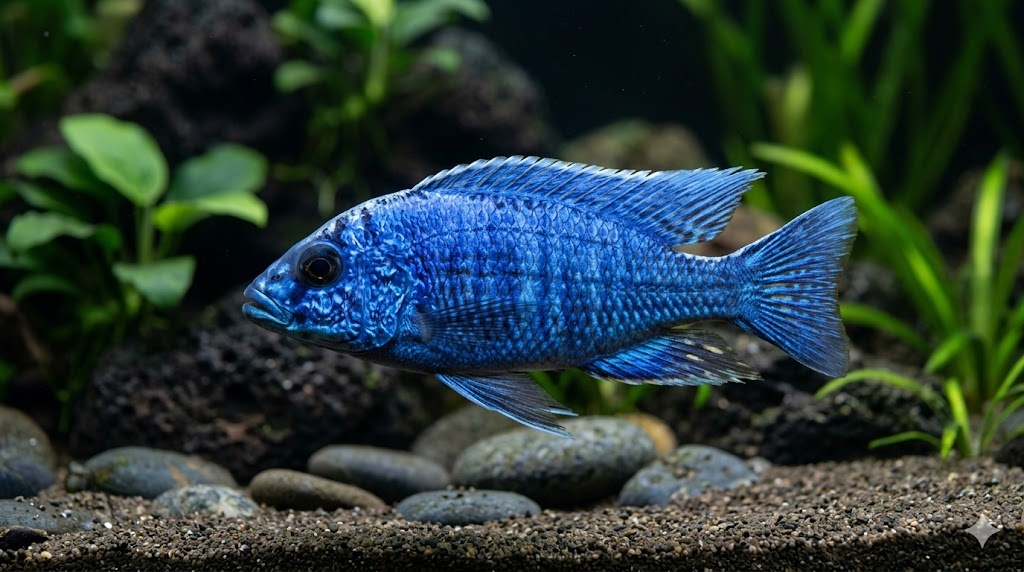
Cichlids are an enormous family of freshwater fish (over 1,650 described species) found primarily in Central and South America, Africa, and parts of Asia.

🐠
🐾
Coming soon
πŸ“Ί Video guide in production

Cichlid (Overview) β€” the full video guide

Coming soon. Subscribe to the newsletter to get notified when this video drops.

Lifespan
3–5 years
Category
Fish
Difficulty
See care section

Overview

Cichlids are an enormous family of freshwater fish (over 1,650 described species) found primarily in Central and South America, Africa, and parts of Asia. Cichlids are intelligent, often territorial, and frequently aggressive. The family includes everything from peaceful Angelfish to murderous Mbuna African Cichlids β€” research the specific species before buying.

Major Cichlid Groups

African Cichlids

  • Lake Malawi Mbuna β€” rock-dwelling, brilliantly coloured, aggressive. Need hardness 200+ ppm, pH 7.8–8.6.
  • Lake Malawi Haps and Peacocks β€” more peaceful than Mbuna.
  • Lake Tanganyika Cichlids β€” shell-dwellers, Frontosa, others. Very hard alkaline water.
  • West African Cichlids β€” Kribensis, Jewel, others. Softer water.

South American Cichlids

  • Angelfish.
  • Discus.
  • Apistogramma (dwarf cichlids) β€” small, peaceful.
  • Oscars β€” large, intelligent, aggressive.
  • Severums, Festivums, others.

Central American Cichlids

  • Convicts.
  • Firemouth.
  • Jack Dempsey.
  • Generally aggressive.

Universal Cichlid Care Points

Tank Size

Larger than typical community fish demand. Most cichlid tanks start at 200 L (55 gallon) and many species need 400 L+ as adults.

Filtration

Heavy. Cichlids are messy eaters and high-waste producers.

Water Parameters

Vary dramatically by region:

  • African Rift Lake: hard alkaline (pH 7.8–8.6, GH 200+).
  • South American: soft acidic (pH 5.5–7.0).
  • Central American: moderate.

Aggression Management

  • Crowd tactically β€” too few cichlids in too much space increases aggression. Many tanks are stocked with more cichlids than seems sensible, reducing territorial focus.
  • Provide hiding spots, rock work, and visual barriers.
  • Avoid mixing aggressive species with peaceful tankmates.

Tankmates

Region-matched only. Don't mix African Rift Lake with South American Cichlids β€” water parameters and behaviours conflict.

Diet

Region-specific:

  • Mbuna: vegetarian β€” algae wafers, spirulina, vegetables.
  • Most others: carnivore or omnivore β€” pellets, frozen foods, blanched vegetables.

Health & Lifespan

Highly variable: small dwarfs 3–5 years; large species 15–25+ years.

Pros & Cons

Pros: brilliant colours, intelligent, interactive, often parents broods of young. Cons: aggression management required, species-specific care, mistakes are common in cichlid keeping.

FAQ

Best beginner cichlid? Convicts, German Blue Rams (if water is right), Bolivian Rams, Kribensis. Avoid Oscars and large aggressive species as first cichlids.

Can I mix cichlids? With great care. Region, temperament, and adult size must match. Most cichlid disasters come from mixed incompatible species.

Are they smart? Yes β€” many recognise owners, perform problem-solving, and care for young actively.

Do they really eat their tankmates? Larger cichlids eat smaller fish. Always consider adult size.

Mbuna or Peacocks for African tank? Peacocks: more peaceful, mix better. Mbuna: more aggressive, more colourful, harder to manage.

🎬 YOUTUBE LONG-FORM SCRIPT

Working title

Cichlid Overview β€” The Most Diverse Fish Family

Estimated length

10–12 minutes

Thumbnail concept

Collage of African and South American cichlids. Caption: "PICK YOUR LAKE".

Thumbnail Image Prompt

Composite underwater photograph showing brilliantly coloured Mbuna African cichlids alongside a South American Ram cichlid, contrasting rock and planted backgrounds, soft natural lighting, 85mm lens at f/2.5, professional aquatic photography.

Description with timestamps

Cichlids are one of the largest and most diverse fish families β€” and choosing the right cichlid setup matters more than any other decision. Today: complete cichlid overview by group.

⏱ Timestamps 00:00 Intro Hook 01:00 The Cichlid Families 02:30 African Rift Lake β€” Mbuna and Haps 04:00 South American β€” Apistogramma, Rams, Severums 05:30 Central American β€” Convicts, Jack Dempseys 07:00 Pick One Lake, Stick To It 08:30 3 Biggest Mistakes New Cichlid Owners Make 10:00 Which Cichlid Group Suits You? 11:00 Outro

πŸ”” Subscribe for a new species each week.

00:00–01:00 INTRO HOOK

"Cichlids are one of the most diverse fish families on earth β€” over 1,600 species across Africa, South and Central America, and parts of Asia. Picking the right cichlid setup matters more than any other decision in fishkeeping. Today: a complete cichlid overview by group."

01:00–02:30 THE CICHLID FAMILIES

"Three major pet cichlid groups: African Rift Lake (Malawi, Tanganyika, Victoria) β€” hard alkaline water. South American (Amazon basin, Orinoco) β€” soft acidic water. Central American (Mexico, Guatemala) β€” moderate water, often aggressive."

02:30–04:00 AFRICAN RIFT LAKE β€” MBUNA AND HAPS

"Lake Malawi: Mbuna β€” rock-dwellers. Yellow lab, electric blue, demasoni. Colourful and aggressive. Need rocky aquascape, 250+ litre tanks, groups of 10+ to spread aggression. Haps and Peacocks β€” open-water. Larger tanks (400+ litres), peaceful with each other but eat smaller fish. Lake Tanganyika: Shell-dwellers (multies) β€” tiny, charming, small tank suitable (60 litres for a colony). Frontosa β€” large, peaceful, 600+ litre tanks. Hard alkaline water essential β€” pH 7.8–8.6, hard."

04:00–05:30 SOUTH AMERICAN β€” APISTOGRAMMA, RAMS, SEVERUMS

"Apistogramma β€” dwarf cichlids, 5–8 cm, beautiful colours. Pair in 75 litres, harem in 100+. Bolivian and German Blue Rams β€” small (5 cm), peaceful, soft warm water. Severums β€” larger (15 cm), peaceful, 250+ litre tanks. Discus and angelfish are also South American cichlids. Soft acidic water β€” pH 6.0–7.0, soft."

05:30–07:00 CENTRAL AMERICAN β€” CONVICTS, JACK DEMPSEYS

"Convict cichlid β€” small (10 cm), hardy, aggressive. Mid-sized tank. Jack Dempsey β€” 20 cm, aggressive, large tank. Firemouth β€” moderately aggressive. Texas cichlid β€” large, aggressive, expert species. Often single specimens or breeding pairs only."

07:00–08:30 PICK ONE LAKE, STICK TO IT

"The fundamental rule: choose one biotope and commit. African Rift Lake water chemistry kills South American softwater cichlids and vice versa. Aggressive Central Americans cannot coexist with peaceful South Americans."

08:30–10:00 3 BIGGEST MISTAKES NEW CICHLID OWNERS MAKE

"Mistake one: mixing groups. Water chemistry and aggression incompatibilities. How to avoid: one biotope only. Mistake two: small Malawi tanks. Aggression spirals. How to avoid: 250+ litres for Mbuna, 10+ individuals. Mistake three: 'common cichlid' from a pet shop without research. Could be 30 cm aggressive species. How to avoid: research species at purchase."

10:00–11:00 WHICH CICHLID GROUP SUITS YOU?

"Small tank β€” Tanganyika shell-dwellers or South American dwarfs. Medium tank β€” Mbuna or Apistogramma. Large tank β€” Frontosa, Discus, Central Americans. Choose lake and water chemistry first, then species within that group."

11:00–11:30 OUTRO AND CTA

"That is the cichlid overview β€” diverse, demanding, rewarding. Pick your lake. Next species? Comment below. Subscribe and the bell. Next week: livebearers β€” guppies, mollies, platies, swordtails." (End screen: subscribe button, 'watch next: Livebearers' thumbnail, channel logo)

One smart pet email a week.

Vet-reviewed care, training, and gear. No spam, unsubscribe in one click.

🐢
🐱
🐰