Cordon Bleu Finch
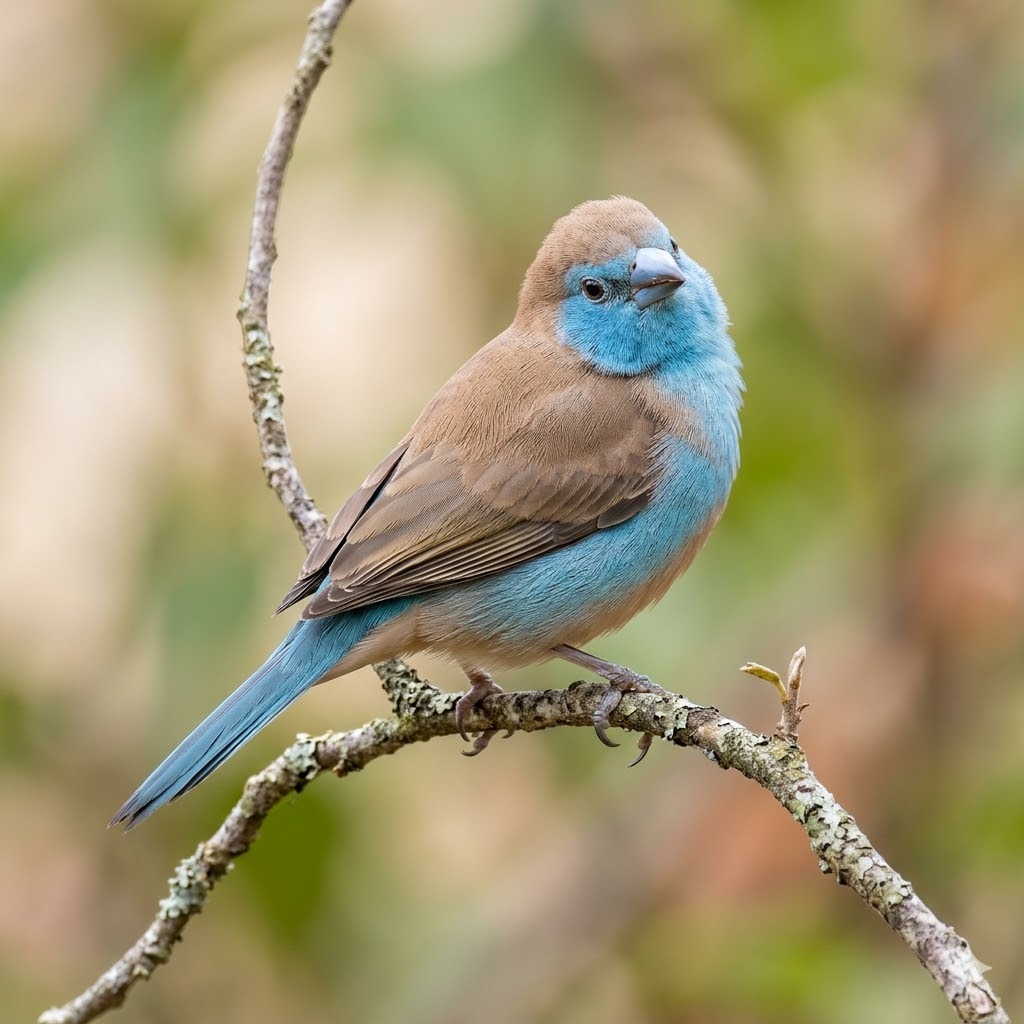
The cordon bleu finch is one of the most beautiful of the small African waxbills, a delicate jewel of powder-blue and soft brown that has long been admired in aviculture.
🗓️ Last reviewed: July 2026
Overview
The cordon bleu finch is one of the most beautiful of the small African waxbills, a delicate jewel of powder-blue and soft brown that has long been admired in aviculture. It is, however, not a beginner's bird in the way a spice finch is. The cordon bleu is softer and more fragile than the tough seed-eating munias, sensitive to cold and stress, and - crucially - dependent on live insect food to thrive and especially to breed successfully. Kept honestly, with warmth and live food, it is a rewarding and graceful aviary bird. Kept on seed alone in a cold flight, it will fade. This is a bird for the keeper willing to meet its real needs.
Natural History & Origin
Cordon bleu finches are native to sub-Saharan Africa, ranging across the dry savannahs, thornscrub, and grasslands of East and Central Africa. In the wild they forage on the ground and among grasses for small seeds, but they also actively hunt insects - termites, small grubs, and flying insects - which form an essential part of their diet, particularly when feeding chicks. They live in pairs and small groups near water and human settlements. Understanding this insectivorous streak is the single most important key to keeping them well, because it is often overlooked by those who assume all finches are simple seed-eaters.
Appearance
The cordon bleu is a small, slender finch, about 12-13 cm in length and weighing roughly 9-11 g. The body is a warm sandy fawn-brown above, with the sides of the face, breast, flanks, and long tail washed in a beautiful sky-blue - the "cordon bleu" for which it is named. In the red-cheeked cordon bleu, the male carries a bright crimson patch on each cheek, while the female is duller and lacks the cheek patch, which makes sexing this species straightforward. The bill is a pinkish-grey cone. The overall impression is of a fine-boned, elegant little bird.
Temperament & Noise
Cordon bleus are gentle, active, and rather nervous birds. They are peaceful and non-aggressive toward other calm finches but can be shy and easily startled, especially when newly settled. They are not tame or handleable - they are aviary birds to be watched, not held. Their voice is soft and pleasant: quiet, high peeping calls and a delicate, thin song from the male during courtship. Nervousness means they need a calm, undisturbed setting; a stressful or busy location can leave them flighty and prone to panic against the mesh.
Housing & Flight
These are warmth-loving, somewhat delicate birds that need thoughtful housing.
Provide:
- A warm, draught-free, dry aviary or flight - warmth is not optional for this species.
- Densely planted cover and shrubs, which help nervous birds feel secure and offer nesting sites.
- Natural perches and grasses; access to gentle sunlight and a sheltered roosting area.
- Protection from cold; in cool climates they need indoor or heated housing over winter.
- A calm, low-traffic location to reduce stress.
They should not be housed in cold, exposed, or draughty conditions - chilling is a common cause of loss.
Diet
- Quality foreign-finch or waxbill seed mix (small millets and grass seeds) as the seed base.
- Live food is essential - small livefood such as micro-mealworms, fruit flies, aphids, and other tiny insects, offered regularly and especially heavily during breeding.
- Seeding grasses and green food - chickweed and seeding grass heads.
- Sprouted and soaked seed and softfood/eggfood to supplement protein.
- Cuttlebone, grit, and mineral supplement for calcium.
Without live food, cordon bleus rarely breed successfully and often struggle to stay in full health. Avoid: avocado (toxic to all birds), chocolate, caffeine, alcohol, onion, and salt.
Health & Lifespan
Cordon bleu finches typically live around 5-7 years, though delicate individuals may fall short of this without careful management.
Common concerns:
- Chilling and respiratory illness from cold or damp - the leading risk for this warmth-loving species.
- Stress-related decline from a busy or disturbed environment.
- Nutritional problems and breeding failure from a lack of live food.
- Air-sac mites and general finch parasites.
- Egg binding in breeding hens lacking calcium.
An avian vet, consistent warmth, live food, and a calm setting are the foundations of keeping them healthy.
Training & Enrichment
Like other waxbills, cordon bleus are observation birds, not trainable pets, and handling only stresses them. Enrichment means recreating their natural life: dense planting to explore and hide in, live insects to hunt (which brings out fascinating natural foraging behaviour), seeding grasses, bathing water, and a warm, secure setting. Providing live food is enrichment as much as nutrition, letting the birds hunt as they would in the wild and greatly improving their condition and breeding success.
Pros & Cons
Pros:
- Exquisite powder-blue plumage.
- Gentle and peaceful in a calm aviary.
- Easy to sex (male has red cheek patch).
- Fascinating natural insect-hunting behaviour.
- Rewarding for the attentive keeper.
Cons:
- Delicate and cold-sensitive; needs warmth.
- Requires live insect food to thrive and breed.
- Nervous and easily stressed.
- Not tame or handleable.
- Not a beginner's finch.
Best Suited For
- Experienced finch and waxbill keepers.
- People able to provide live food and warm, planted aviaries.
- Calm, low-traffic aviary settings.
- Keepers wanting a beautiful, natural-behaviour bird to observe.
Not suited for beginners expecting a simple seed-only finch, unheated or draughty aviaries in cool climates, busy stressful locations, or anyone unwilling to supply live insect food.
Cordon Bleu Finch - frequently asked questions
Do cordon bleu finches really need live food?
Yes - honestly, they do. Live insects are essential for full health and are all but required for successful breeding. Seed alone is not enough for this species.
Are they good for beginners?
Not really. They are more delicate, cold-sensitive, and demanding than hardy finches like the spice finch, and suit a keeper with some experience.
How can I tell males from females?
In the red-cheeked cordon bleu the male has a bright red cheek patch and the female does not, making sexing easy.
Are they cold-hardy?
No - they are warmth-loving and prone to chilling. They need warm, draught-free housing and heated or indoor accommodation in cool climates.
How long do they live?
Around 5-7 years with careful, warm, well-fed care.
🧠 Test yourself: guess the bird
Three clues from our quiz bank, each about another of our birds. Can you name them?
Clue 1.Highly social and prone to boredom, this long-lived ash-feathered parrot can pluck out its own plumage if left without mental stimulation.
It's the African Grey Parrot - read the full profile →
Clue 2.This small finch, named for the Atlantic islands it hails from, was famously carried into coal mines to detect deadly gas.
It's the Canary - read the full profile →
Clue 3.This is the largest type of parrot kept as a pet, with a long sweeping tail and a huge nut-cracking beak.
It's the Macaw - read the full profile →
Social Needs
Cordon bleus are social and best kept as a true pair or in small numbers, ideally in a planted community aviary with other gentle, non-aggressive finches. They should not be crowded with boisterous species that will bully or stress them, as their nervous nature leaves them poorly equipped to compete. A bonded pair in a warm, densely planted flight will settle, display, and may nest, the male often singing softly while carrying a grass stem in courtship. They are not solitary birds and appreciate the security of a calm mixed group, but the aviary must be peaceful, warm, and well planted for them to relax and show their best.