Suphalak
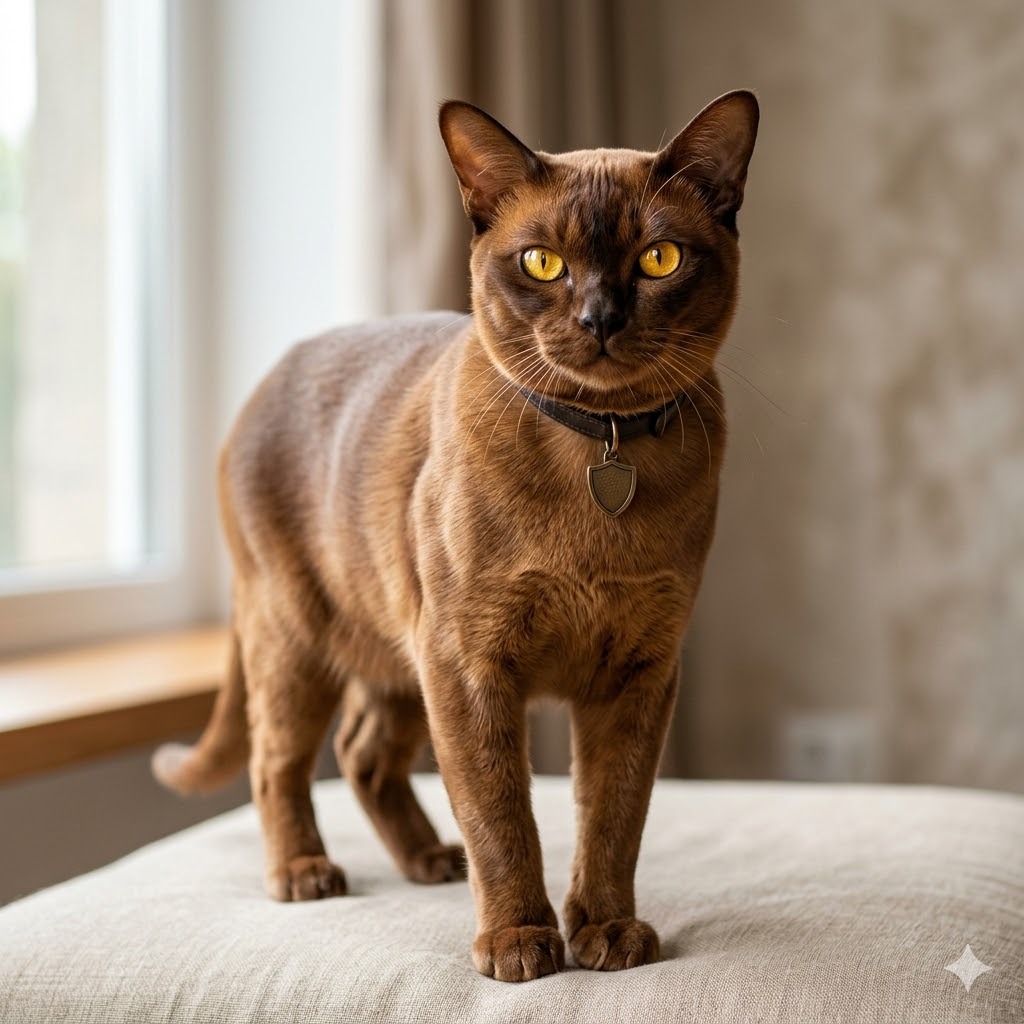
The Suphalak is a rare and ancient Thai breed - a solid, gleaming coppery-brown cat described in the centuries-old Thai cat poems known as the Tamra Maew.
🗓️ Last reviewed: July 2026
Overview
The Suphalak is a rare and ancient Thai breed - a solid, gleaming coppery-brown cat described in the centuries-old Thai cat poems known as the Tamra Maew. Muscular, medium-sized, and richly coloured, the Suphalak is one of Thailand's treasured native cats, alongside relatives like the Siamese and Korat. It is affectionate, intelligent, and closely bonded to its people, combining an elegant appearance with a warm, sociable temperament. Adults typically weigh 4-7 kg, with males heavier than females. Genuinely rare even in Thailand and scarce elsewhere, the Suphalak is prized by enthusiasts for its glossy solid-brown coat, golden eyes, and living connection to Thailand's ancient cat heritage.
History & Origins
The Suphalak's roots reach deep into Thai history. The Tamra Maew, illustrated manuscripts of Thai cat poems dating back centuries (some traditions place them in the Ayutthaya era), describe a group of auspicious "good luck" cats. Among them is a solid coppery-brown cat widely identified with the Suphalak, said to bring wealth and good fortune to its owner.
For much of modern history the breed existed quietly in Thailand as a rare native cat rather than a formalised show breed. Interest revived as breeders and enthusiasts, in Thailand and abroad, worked to identify and preserve cats matching the ancient descriptions, distinguishing the Suphalak from the similar Burmese and Havana Brown.
The breed remains rare and is not yet widely recognised by all major registries. It is cherished as part of Thailand's cultural and feline heritage, and responsible breeders focus on preserving its solid coppery-brown colour and healthy native constitution.
Appearance
Medium-sized, muscular, and solidly built, the Suphalak carries its rich colour on a firm, athletic frame. Weight is typically 4-7 kg, with males noticeably larger and heavier than females.
Key features:
- Coat: short, smooth, close-lying, and glossy, showing off a uniform solid colour with a lustrous sheen.
- Colour: solid coppery-brown - a warm, reddish-brown to mahogany shade that is the breed's defining feature, ideally even throughout with no markings.
- Head: rounded to slightly wedge-shaped, with gentle contours and a firm muzzle.
- Ears: medium to large, set well apart, alert.
- Eyes: large, expressive, in shades of gold to amber, glowing against the brown coat.
- Body: medium, muscular, and well-proportioned, powerful without being heavy.
- Legs: medium, strong, ending in neat oval paws.
- Tail: medium to long, tapering, in balance with the body.
Temperament & Character
The Suphalak is affectionate, intelligent, and people-oriented. Like many Thai breeds, it bonds closely with its family and enjoys being involved in daily life, often following owners around and seeking companionship.
These cats are active, curious, and playful, with a lively intelligence that responds well to games, puzzles, and interaction. Despite their energy, they are typically gentle and warm with their people, enjoying lap time and quiet closeness as much as play.
Suphalaks are generally sociable and adaptable, getting along with children, other cats, and cat-friendly dogs when well socialised. Moderately communicative, they express themselves in soft voices and value attention, thriving in homes where they receive plenty of interaction. Their blend of liveliness and affection means they enjoy an active play session as much as a quiet evening curled beside their favourite person.
Care
Coat & Grooming
The short, glossy coat is very low maintenance. A weekly brush or grooming mitt removes loose hair and keeps the coppery sheen bright. Shedding is moderate and easily managed.
Bathing is rarely necessary. Clean ears as needed, trim claws every couple of weeks, and brush teeth regularly to support dental health.
Exercise & Enrichment
An active and intelligent breed, the Suphalak needs regular play and mental stimulation. Provide cat trees, scratching posts, interactive wand toys, and puzzle feeders to keep it engaged.
These cats enjoy climbing, chasing, and problem-solving games. Daily interactive play keeps them fit and content, and their intelligence makes them receptive to training and enrichment.
Health & Lifespan
Average lifespan is 12-16 years.
Common concerns:
- Generally robust - as a natural Thai breed with landrace roots, the Suphalak has no widely documented breed-specific genetic diseases.
- Standard feline issues - routine risks such as dental disease and, in older cats, kidney disease apply as to any cat.
- Limited gene pool - because the breed is rare, responsible breeders take care to maintain genetic diversity.
- Obesity - keep this active but food-loving cat lean with measured feeding.
Choose a breeder who preserves the breed's health and diversity and keeps cats in good conditions.
Feeding & Nutrition
Feed a high-quality, protein-rich diet suited to an active, muscular cat. Measured meals help maintain the breed's firm, athletic condition and prevent obesity.
A mix of wet and dry food supports hydration and dental health. Keep fresh water available at all times, and adjust portions to activity level and life stage.
Living With
Litter
Standard provisions: 1 + 1 box per cat, scooped daily. A medium-large box suits this muscular breed. Low-dust, unscented litter is generally preferred.
Multi-cat households
Suphalaks are typically sociable and adapt well to other cats with proper introductions. Their affectionate, adaptable nature makes them good companions in multi-pet homes.
Indoor vs outdoor
Indoor-only is strongly recommended, especially given the breed's rarity and value. A catio or supervised harness time offers safe enrichment while protecting the cat from traffic, theft, disease, and injury.
Pros & Cons
Pros
- Striking, glossy solid coppery-brown coat.
- Affectionate, intelligent, and people-oriented.
- Generally healthy natural Thai breed.
- Low-maintenance short coat.
- Living link to ancient Thai cat heritage.
Cons
- Genuinely rare and hard to find.
- Not yet recognised by all major registries.
- Active - needs daily play and stimulation.
- Limited gene pool requires careful breeding.
- Can be confused with Burmese or Havana Brown.
Best Suited For
- Enthusiasts drawn to rare, historic breeds.
- Households wanting an affectionate, interactive cat.
- Families with children and other pets.
- Owners who can provide daily play and companionship.
- Admirers of Thai cat heritage.
Not suited for owners wanting a common, easy-to-find breed, homes with no time for play and interaction, or anyone seeking a quiet, hands-off pet.
Suphalak - frequently asked questions
What makes the Suphalak special?
Its rich, solid coppery-brown coat and its place in the ancient Thai cat poems (the Tamra Maew) as a "good luck" cat make it both beautiful and historically significant.
How is it different from a Burmese?
The Suphalak is a distinct native Thai breed with its own coppery-brown colour and heritage, though it can superficially resemble the Burmese and Havana Brown.
Are Suphalaks rare?
Yes - they are genuinely rare, even in Thailand, and only a small number of dedicated breeders work with them worldwide.
Are they affectionate?
Very - they are people-oriented, bond closely with their families, and enjoy both play and quiet companionship.
Do they need much grooming?
No - the short, glossy coat needs only a weekly brush to stay healthy and lustrous.
🧠 Test yourself: guess the cat
Three clues from our quiz bank, each about another of our cats. Can you name them?
Clue 1.Famously the model for a grinning Lewis Carroll character, this teddy-bear cat has copper or gold eyes against a crisp slate coat.
It's the British Shorthair - read the full profile →
Clue 2.This affectionate cat is a deliberate hybrid of two Asian-derived breeds, producing a medium 'mink' coat with aqua-colored eyes.
It's the Tonkinese - read the full profile →
Clue 3.Originally a rich sable brown, this short-coated, golden-eyed breed is famed for being intensely people-oriented and dog-like.
It's the Burmese - read the full profile →
💛 Adoptable Suphalaks near you
Real cats of this breed (and close mixes) waiting in shelters and rescues right now, live from Petfinder. We have no affiliation and earn nothing - if someone catches your eye, the link goes straight to their shelter. New to adopting? Start with our adoption guide.
Widget not loading (some ad-blockers hide it)? Search directly on petfinder.com.