🐾 Smart pet care, real pet parent NEW 50+ buyer guides published πŸ“© Weekly newsletter As an Amazon Associate we earn from qualifying purchases
Home/ Pets/ Amphibians/ Tiger Salamander

Tiger Salamander

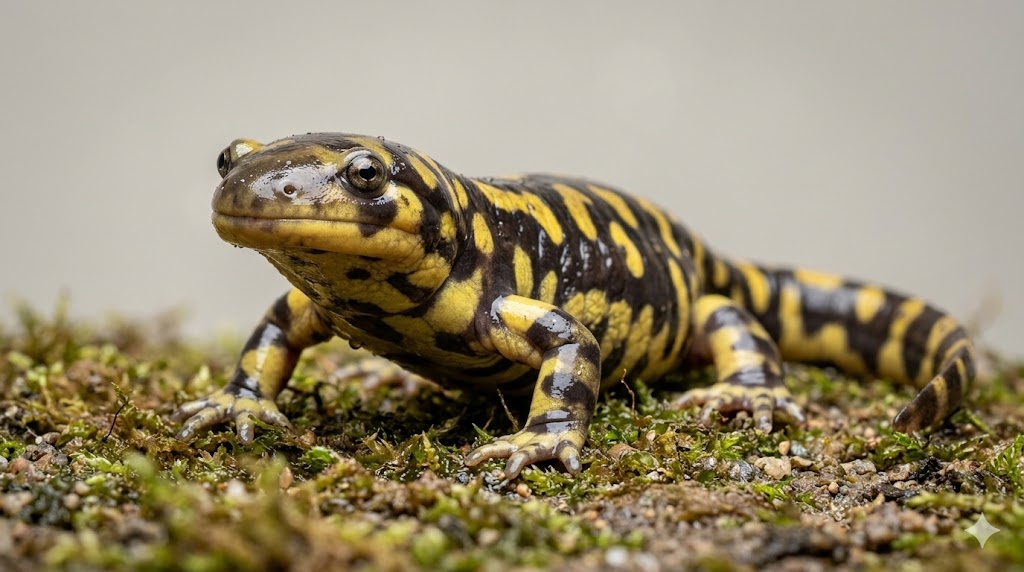
The Tiger Salamander (Ambystoma tigrinum and related) is one of the largest terrestrial salamanders β€” a striking yellow-banded amphibian sometimes called "the puppy of the salamander world" for its expressive face and food-driven personality.

🐸
🐾
Coming soon
πŸ“Ί Video guide in production

Tiger Salamander β€” the full video guide

Coming soon. Subscribe to the newsletter to get notified when this video drops.

Lifespan
10–25 years
Category
Amphibians
Difficulty
See care section

Overview

The Tiger Salamander (Ambystoma tigrinum and related) is one of the largest terrestrial salamanders β€” a striking yellow-banded amphibian sometimes called "the puppy of the salamander world" for its expressive face and food-driven personality. Long-lived, hardy, and impressively patterned.

Natural History

Native across North America. Terrestrial adult lives in burrows; aquatic larval stage.

Appearance

Adults 15–25 cm length. Stocky body. Dark base with yellow, olive, or pale bars and spots.

Temperament & Handling

Calm. Better tolerates careful handling than many amphibians, but skin sensitivity remains. Brief, gloved or wet-hand handling only.

Enclosure

Minimum: 75 L (20 gallon) for one adult.

Provide:

  • Deep moist substrate (15+ cm) for burrowing.
  • Hides.
  • Shallow water dish.
  • Cool dark environment.

Heating, Lighting, Humidity

  • Temperature: 16–22Β°C. Cool β€” heat is dangerous.
  • Dim lighting.
  • Humidity: 70–80%.

Diet

Insects: nightcrawlers (gold standard), crickets, dubia roaches, occasional pinky mice (treats, fatty). Feed adults every 3–5 days.

Health & Lifespan

10–25 years.

Common concerns:

  • Heat stress β€” major killer.
  • Impaction from substrate.
  • Chytrid fungus.
  • Bacterial infections.

Pros & Cons

Pros: long-lived, hardy, striking appearance, food-driven personality. Cons: cool temperatures required; observation pet primarily.

FAQ

How long do they live? 10–25 years. Some over 25.

Are they good for kids? For observation, yes. Older children only.

Can I keep two together? Adults can fight; safer alone.

Why "Tiger"? The yellow banded pattern on a dark background resembles tiger stripes.

🎬 YOUTUBE LONG-FORM SCRIPT

Working title

The Tiger Salamander β€” Large Terrestrial Amphibian

Estimated length

10–11 minutes

Thumbnail concept

Tiger salamander on moist substrate, yellow-and-black pattern, alert face. Caption: "BIG BURROWING AMPHIBIAN".

Thumbnail Image Prompt

Studio photograph of a tiger salamander on moist coconut fibre substrate, bold yellow-and-black mottled pattern, alert dark eyes, blunt rounded head, soft natural background, gentle warm lighting, 85mm lens at f/2.5, professional pet amphibian photography, calm alert expression.

Description with timestamps

The tiger salamander is a large North American terrestrial amphibian β€” robust, long-lived, and one of the easier amphibians to keep. Today: complete tiger salamander care.

⏱ Timestamps 00:00 Intro Hook 01:00 Origin: North American Grasslands 02:30 Setup: Terrestrial Vivarium 04:00 Diet: Carnivore 05:30 Handling: Observation Mostly 07:00 Health: Stress, Chytrid 08:30 3 Biggest Mistakes New Owners Make 10:00 Is a Tiger Salamander Right For You? 11:00 Outro

πŸ”” Subscribe for a new species each week.

00:00–01:00 INTRO HOOK

"Tiger salamanders are large North American terrestrial amphibians. Adults reach 20–30 cm, live 10–25 years, and are robust beginner-friendly amphibians for those who appreciate observation pets. Today: complete tiger salamander care."

01:00–02:30 ORIGIN: NORTH AMERICAN GRASSLANDS

"Tiger salamanders (Ambystoma tigrinum and related species) are native to a vast range across North America, from Canada to Mexico. Larvae are aquatic; adults are terrestrial and burrowing. Adults rarely seen in the wild β€” spend most of their lives underground."

02:30–04:00 SETUP: TERRESTRIAL VIVARIUM

"Tank: 90 Γ— 45 Γ— 45 cm for one adult. Substrate: 15+ cm of moist coconut fibre or topsoil for burrowing. Temperature: 16–22Β°C. Cool environment essential. Humidity: 70–80%. Hides β€” multiple. Some buried, some surface. Shallow water dish. Solo housing β€” adults sometimes cannibalise."

04:00–05:30 DIET: CARNIVORE

"Carnivore. Earthworms (preferred), crickets, dubia roaches, occasional pinkie mouse. Feeding schedule: adults 2–3 times weekly. Dust with calcium and vitamin."

05:30–07:00 HANDLING: OBSERVATION MOSTLY

"Minimise handling. Skin sensitive to chemicals. Wet dechlorinated hands. Short sessions only when necessary."

07:00–08:30 HEALTH: STRESS, CHYTRID

"Lifespan 10–25 years. Chytrid fungus. Bacterial infections. Stress from frequent handling. Find an exotics vet."

08:30–10:00 3 BIGGEST MISTAKES NEW OWNERS MAKE

"Mistake one: warm environments. Heat-sensitive. How to avoid: cool basement or temperature-controlled room. Mistake two: shallow substrate. Salamanders burrow. How to avoid: 15+ cm depth. Mistake three: over-handling. How to avoid: observation-first relationship."

10:00–11:00 IS A TIGER SALAMANDER RIGHT FOR YOU?

"Checklist: 90 cm vivarium. Cool environment (16–22Β°C). Deep substrate. Exotics vet identified. 10-25 year commitment. Tick four β€” tiger salamanders are excellent."

11:00–11:30 OUTRO AND CTA

"That is the tiger salamander β€” large terrestrial amphibian, long-lived, robust. Next category? Comment below β€” starting fish next. Subscribe and the bell. Next week: the goldfish β€” the most misunderstood pet fish." (End screen: subscribe button, 'watch next: Goldfish' thumbnail, channel logo)

One smart pet email a week.

Vet-reviewed care, training, and gear. No spam, unsubscribe in one click.

🐢
🐱
🐰