Ackie Monitor
The Ackie Monitor (Varanus acanthurus), also known as the spiny-tailed monitor or ridge-tailed monitor, is a small "dwarf" monitor lizard that offers the intelligence, curiosity, and personality of the big monitors in a manageable, home-friendly package.
🗓️ Last reviewed: July 2026
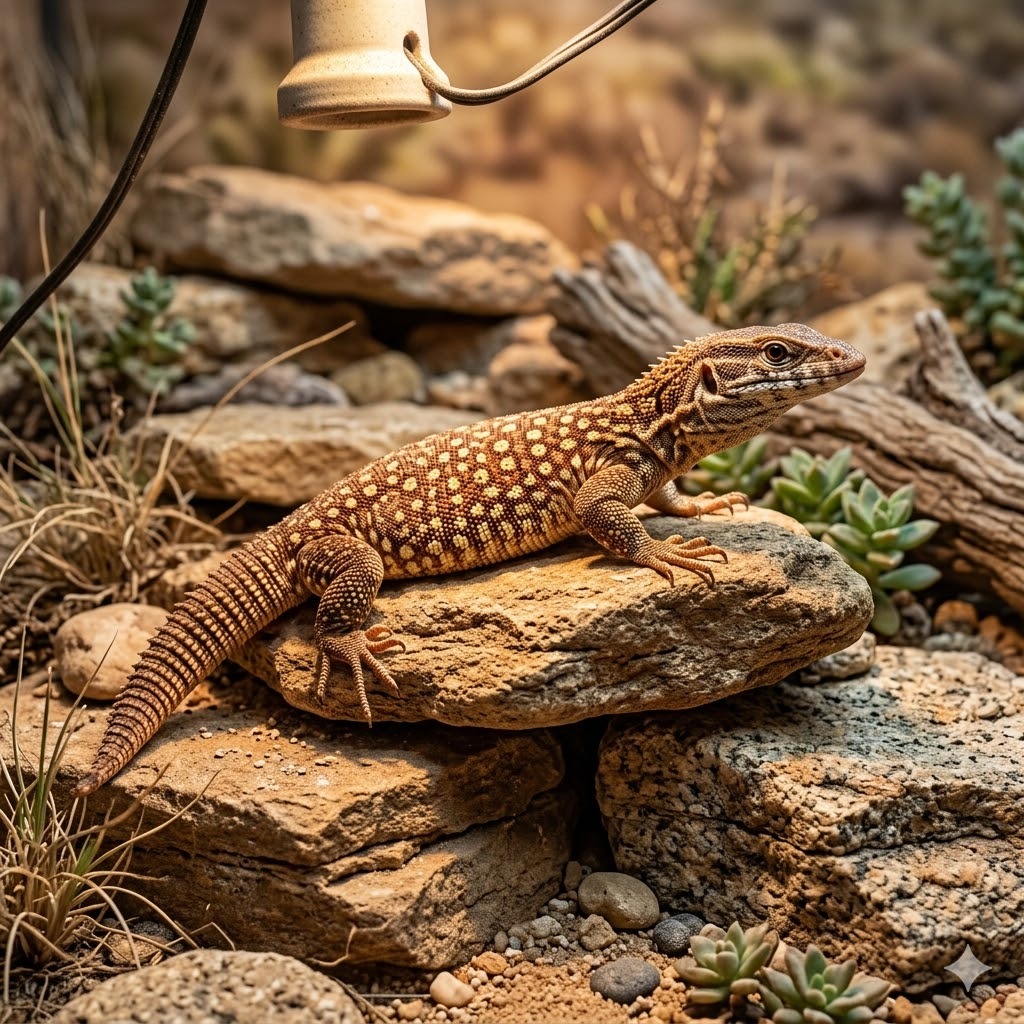
Overview
The Ackie Monitor (Varanus acanthurus), also known as the spiny-tailed monitor or ridge-tailed monitor, is a small "dwarf" monitor lizard that offers the intelligence, curiosity, and personality of the big monitors in a manageable, home-friendly package. Bright, alert, and genuinely interactive, an Ackie learns to recognise its keeper, tracks movement across the room, and forages with obvious purpose. It is often described as the ideal first monitor for someone ready to move beyond geckos and dragons. It needs deep substrate to burrow, high basking heat, and a varied prey diet, but reward the keeper who provides them with one of the most engaging reptiles available.
Natural History
Ackie Monitors are native to the arid and semi-arid regions of northern and western Australia, where they live among rocky outcrops, spinifex grassland, and dry scrub. They shelter in rock crevices and self-dug burrows to escape the heat and to ambush prey. Diurnal and highly active, they are accomplished diggers and climbers that spend the warm hours basking, hunting insects, and patrolling their territory. This is a desert animal built around intense heat and burrowing, and a successful captive setup recreates both - a blazing basking zone above and cool, humid, diggable earth below.
Appearance
Adults typically reach 60-75 cm in total length, including the distinctive spiny tail, and are relatively lightly built. Colour ranges from reddish-brown to dark brown, patterned with clusters of pale cream to yellow spots forming an ocellated design across the back. The tail is ringed with enlarged, keeled, spiny scales that give the species its common names and help it wedge into crevices. The head is narrow and alert with a long forked tongue used constantly to taste the environment. Red and yellow forms exist, differing mainly in ground colour. Despite the modest length, the proportions and behaviour are unmistakably those of a true monitor.
Temperament & Handling
Ackies are intelligent, inquisitive, and interactive - among the most personable of small lizards. With regular calm interaction they become tame, confident, and tolerant of handling, often walking onto a hand willingly and showing clear food and keeper recognition. Support the body fully and keep sessions positive and unhurried; a startled monitor is fast and may scratch or nip, though bites from a settled animal are uncommon. Their curiosity is a large part of the appeal - they investigate, problem-solve, and stay engaged - so enrichment and interaction matter as much as basic husbandry for their wellbeing.
Enclosure
Minimum: a large enclosure of at least 120-180 × 60 × 60 cm floor space for one adult, with more space always better; floor area and substrate depth matter more than height.
Provide:
- Deep substrate, at least 30-60 cm, of a soil and sand mix that holds a burrow so the monitor can dig and tunnel.
- A hot basking stack of rocks or tiles beneath the heat source for a high, focused basking surface.
- Rock crevices, cork bark, and hides at both warm and cool ends.
- Some climbing structure, as they will use vertical space when available.
- A sturdy water dish for drinking and occasional soaking.
- A secure, escape-proof enclosure - these are strong, determined diggers and climbers.
Heating & Lighting
- Basking surface: hot, around 45-55°C at the focused basking spot, higher than most pet lizards need.
- Warm ambient: 30-35°C.
- Cool end: 24-28°C, giving a strong gradient.
- Night: can drop to around 22-24°C.
- UVB: strongly recommended. A quality UVB source over the basking zone supports vitamin D3 and calcium metabolism for this active, sun-loving species.
The intense, tightly focused basking hotspot is essential - Ackies bask hard and then retreat to cool burrows, so both extremes must be present.
Humidity
Although Ackies are desert animals, they rely on humid burrows for hydration and healthy shedding. Keep the surface and upper air relatively dry, around 40-60%, but maintain the deep substrate slightly moist at the lower burrowing layers so the monitor can retreat to a humid microclimate. This dry-above, humid-below arrangement mirrors their natural burrows and prevents both dehydration and shedding problems. Provide a water dish and lightly dampen the deeper substrate as needed.
Diet
Carnivorous insectivore. Ackie Monitors are enthusiastic hunters:
- Staple: crickets, dubia roaches, locusts, and other gut-loaded insects.
- Protein variety: earthworms, silkworms, hornworms, snails, and occasional appropriately sized rodents such as pinkies or fuzzies for adults.
- Occasional: whole prey items help provide balanced nutrition.
- Avoid: an all-rodent diet, wild-caught insects, and excessive fatty prey leading to obesity.
Gut-load feeders and dust insects with calcium and vitamin D3 supplements regularly. Feed juveniles daily and adults every one to three days, adjusting to maintain healthy weight, as these active lizards can be prone to obesity if overfed on fatty prey.
Health & Lifespan
15-20 years with good care - a long-term commitment despite the compact size.
Common concerns:
- Metabolic bone disease from inadequate calcium, D3, or UVB.
- Obesity from over-feeding rodents and fatty prey.
- Respiratory infections from cold or overly damp surface conditions.
- Impaction from unsuitable substrate or loose prey ingestion.
- Retained shed from insufficient burrow humidity.
- Parasites, particularly in wild-caught or poorly sourced animals.
Pros & Cons
Pros:
- Intelligent, curious, and highly interactive.
- Manageable "dwarf" monitor size.
- Tames well and recognises its keeper.
- Fascinating natural digging and hunting behaviour.
- Long-lived and rewarding.
Cons:
- Needs a large enclosure with very deep substrate.
- Requires an intense, high-temperature basking zone.
- Strong digger and climber - escape-proofing is vital.
- Active metabolism means real feeding and enrichment effort.
- 15-20 year commitment.
Best Suited For
- Keepers ready to step up from beginner reptiles to a small monitor.
- Owners who want an intelligent, interactive lizard.
- People able to provide deep substrate, high heat, and enrichment.
Not suited for those wanting a low-effort display animal, limited on space, or unable to provide the deep burrowing substrate and intense basking heat.
Ackie Monitor - frequently asked questions
Are Ackies good first monitors?
Yes - they are often considered the best entry monitor thanks to their manageable size, hardiness, and interactive personality, provided the keeper meets their heat and substrate needs.
Why do they need such deep substrate?
Ackies are natural burrowers. Deep, partly moist substrate lets them dig tunnels, thermoregulate, hydrate, and feel secure, which is essential for their health and behaviour.
How hot should the basking spot be?
Very hot - around 45-55°C at the focused basking surface, hotter than most pet lizards, paired with cooler burrows to retreat into.
Do they bite?
A settled, well-handled Ackie rarely bites, though a startled one is fast and may scratch or nip. Calm, consistent handling keeps them tame.
How long do they live?
Typically 15-20 years with good care. Plan for a substantial long-term commitment.
🧠 Test yourself: guess the reptile
Three clues from our quiz bank, each about another of our reptiles. Can you name them?
Clue 1.This stocky Australian lizard gapes its mouth to flash a startling cobalt-colored mouth-organ at predators when threatened.
It's the Blue-Tongue Skink - read the full profile →
Clue 2.Some color forms of this docile pet reptile mimic the deadly coral snake's red, yellow, and black bands.
It's the King Snake / Milk Snake - read the full profile →
Clue 3.This basking turtle slides quickly off logs into the water when startled, giving it part of its name.
It's the Red-Eared Slider Turtle - read the full profile →