Western Hognose Snake (Heterodon nasicus)
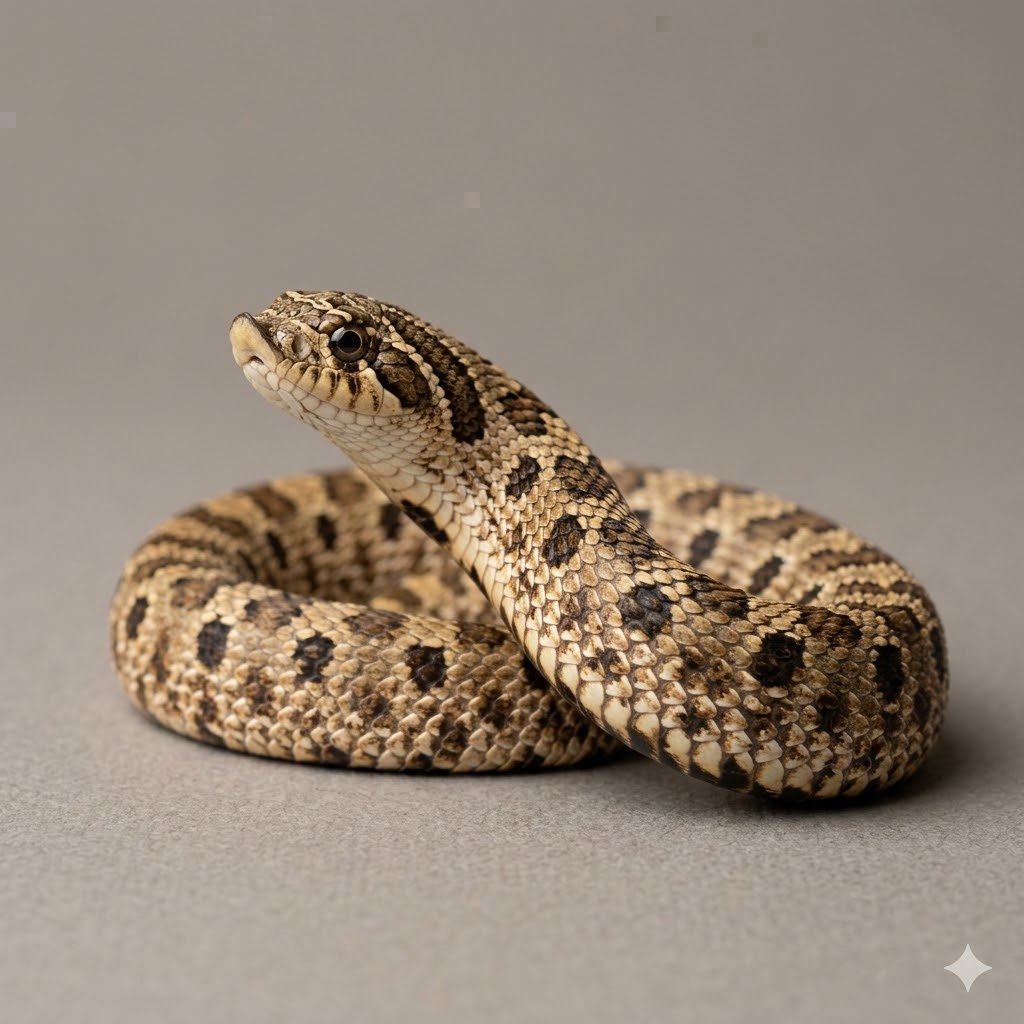
The Western Hognose Snake (Heterodon nasicus) is a small, charismatic, beginner-friendly colubrid famous for its upturned snout and theatrical defensive bluffing - flattening its neck like a cobra, hissing, and even playing dead.
🗓️ Last reviewed: June 2026
Overview
The Western Hognose Snake (Heterodon nasicus) is a small, charismatic, beginner-friendly colubrid famous for its upturned snout and theatrical defensive bluffing - flattening its neck like a cobra, hissing, and even playing dead. Hardy, manageable in size, and available in a growing range of morphs, the western hognose has become one of the most popular pet snakes for keepers who want personality in a compact package.
Natural History
Wild range: the central plains of North America, from southern Canada through the central United States into northern Mexico. Inhabits sandy and gravelly grasslands, prairies, and scrub. A dedicated burrower, using its upturned rostral scale to dig through loose soil in search of buried prey. Diurnal and fossorial, spending much of its time underground. Rear-fanged with a mild saliva used to subdue amphibian prey; harmless to humans in nearly all cases.
Appearance
Adult females 60-90 cm and notably stout; males much smaller at 35-50 cm. A heavy-bodied build for the length, with a distinctly upturned, keeled snout.
Wild colour: sandy tan to grey with dark dorsal blotches and a black-and-cream belly. Captive breeding has produced many morphs including albino, anaconda, axanthic, lavender, and toffeeglow.
Temperament & Handling
Generally docile and easy to handle once settled. The famous defensive display - neck flattening, loud hissing, and feigned death rolled belly-up - is bluff, not aggression. True bites are rare and usually feeding-response mistakes rather than defence. Support the body and handle calmly; most hognose snakes tolerate regular gentle handling well.
Enclosure
Minimum: 90 × 45 × 45 cm for an adult female; smaller males can use less but benefit from space. Glass or PVC terrarium with a secure lid - hognose snakes are persistent escape artists.
Provide:
- A deep layer of loose, dig-friendly substrate (aspen or a soil sand mix) for burrowing.
- At least two hides - warm side and cool side.
- A sturdy water dish.
- Some low branches or cork bark for surface enrichment.
Heating & Lighting
- Warm side: 30-32°C basking surface, 27-29°C ambient.
- Cool side: 22-24°C.
- Night: can drop to 20-22°C; no overnight heat needed in most homes.
- UVB: not strictly required but beneficial; a low-output UVB supports natural behaviour and health for this diurnal species.
Humidity
Ambient 30-50%, reflecting their dry grassland origins. Provide a humid hide during shedding to ensure clean sheds. Avoid persistently damp substrate, which invites scale rot and respiratory problems.
Diet
Carnivorous (rodent feeder in captivity). Frozen-thawed prey:
- Staple: appropriately sized frozen-thawed mice.
- Note: wild hognose snakes favour amphibians, but captive animals are reliably maintained on rodents.
- Avoid: prey wider than the snake's mid-body; live rodents that can injure the snake.
Feed prey roughly the width of the snake at its widest point. Hatchlings every 5-6 days; adults every 7-14 days. Hognose snakes can be fussy feeders, so consistent routine and scenting tricks sometimes help reluctant individuals.
Health & Lifespan
15-20 years.
Common concerns:
- Obesity from over-feeding, common in this readily fed species.
- Respiratory infections from cold or overly damp conditions.
- Retained shed (dysecdysis) without a humid hide.
- Mouth rot.
- Mites.
- Impaction from overly large prey or substrate ingestion.
Pros & Cons
Pros:
- Small, manageable size.
- Charming personality and harmless bluffing.
- Long-lived and hardy.
- Quiet, odourless, undemanding climate.
Cons:
- Can be a fussy feeder.
- Rear-fanged mild venom (medically insignificant but worth noting).
- Determined escape artist needing a secure lid.
- Prone to obesity if over-fed.
Best Suited For
- First-time snake owners.
- Keepers wanting personality in a small snake.
- Apartment dwellers.
Not suited for owners unwilling to feed rodents or those wanting a large display snake.
Western Hognose Snake (Heterodon nasicus) - frequently asked questions
Are they good for kids?
Yes, for older children with supervision. Their small size and gentle nature suit careful young keepers.
Are they venomous?
Mildly rear-fanged, but harmless to people in nearly all cases. Reactions to a rare bite are typically minor and localised.
How long do they live?
15-20 years with good care. Plan accordingly.
Why is mine playing dead?
That is a natural defensive bluff. It will flatten its neck, hiss, then roll over and feign death. It is harmless theatre.
Do they bite?
Rarely. Most apparent bites are feeding-response errors, not defensive strikes.
🧠 Test yourself: guess the reptile
Three clues from our quiz bank, each about another of our reptiles. Can you name them?
Clue 1.Mostly plant-eating, this spiny-crested reptile can detach its tail to flee and later grow a new one.
It's the Green Iguana - read the full profile →
Clue 2.A harmless rodent-eating colubrid, it is often confused with the venomous copperhead but kills prey by squeezing.
It's the Corn Snake - read the full profile →
Clue 3.This popular aquatic pet turtle is named for the bright reddish stripe behind each eye.
It's the Red-Eared Slider Turtle - read the full profile →