Uromastyx (Uromastyx spp.)
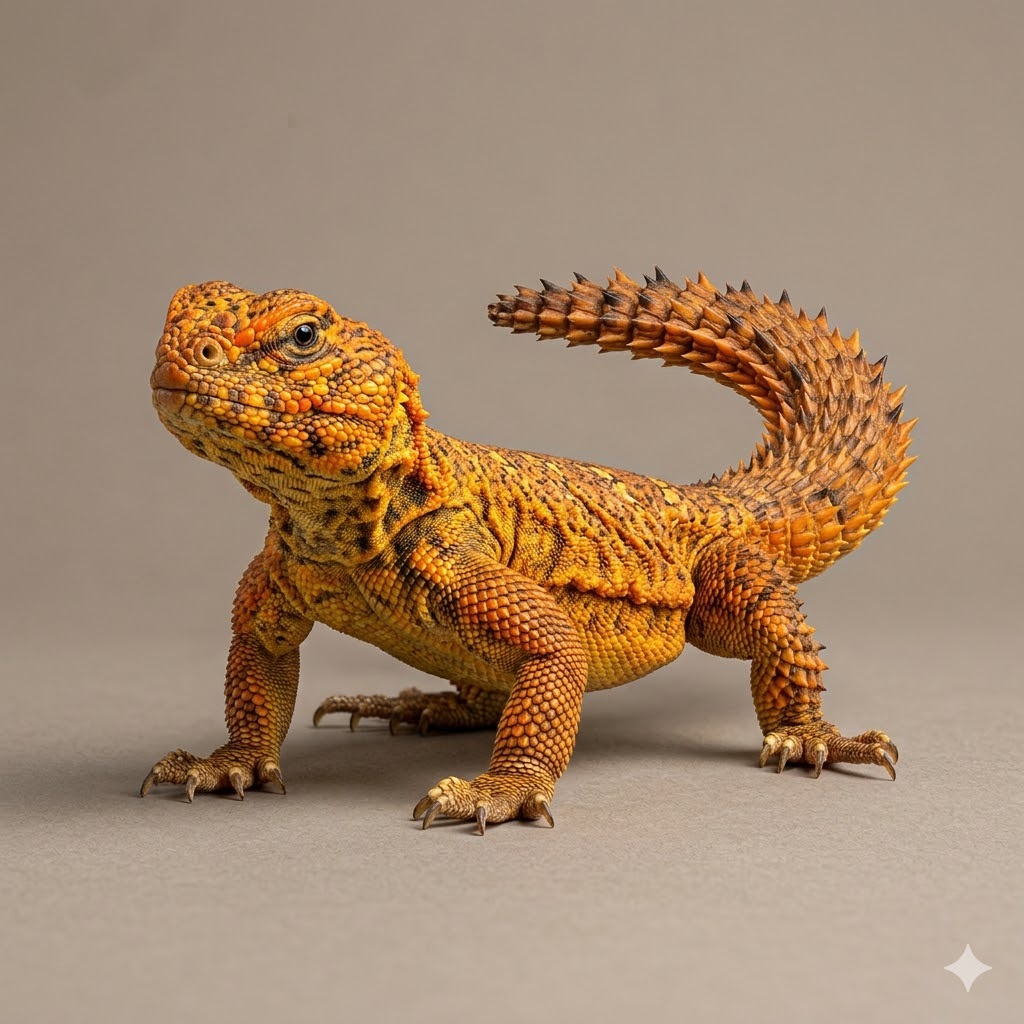
The Uromastyx (Uromastyx spp.), also called the spiny-tailed lizard or dabb lizard, is a stout, sun-loving desert lizard from the arid regions of North Africa, the Middle East, and South Asia.
🗓️ Last reviewed: June 2026
Overview
The Uromastyx (Uromastyx spp.), also called the spiny-tailed lizard or dabb lizard, is a stout, sun-loving desert lizard from the arid regions of North Africa, the Middle East, and South Asia. Known for its thick, spiny tail and a strictly herbivorous diet, the uromastyx thrives in a hot, dry setup with very high basking temperatures and strong UVB. With patient handling it can become genuinely tame, and with good care it is a long-lived companion at 15 or more years - making it a rewarding choice for keepers who can meet its demanding heat and space needs.
Natural History
Wild range: the deserts and rocky scrublands of North Africa, the Arabian Peninsula, and across to India, depending on the species. Diurnal and ground-dwelling, the uromastyx basks in intense desert sun and shelters in long burrows it digs to escape extreme heat and cold. It is one of the few truly herbivorous lizards, grazing on desert vegetation, seeds, and flowers. The spiny, club-like tail is used to block burrow entrances and to defend against predators. Adapted to scarce water, it draws most of its moisture from food.
Appearance
Adults 25-45 cm total length depending on species, 200-450 g; larger species can exceed these figures. Sexes are broadly similar, though males of many species are more vividly coloured.
Colour and pattern vary widely by species: U. geyri (the Saharan or Niger uromastyx) ranges through brilliant orange, red, and yellow, while others show greens, browns, and greys. The body is robust and flattened, with a broad head and powerful limbs for digging. The signature feature is the thick, spiny tail ringed with rows of hard, pointed scales.
Temperament & Handling
Generally calm and, with patient daily contact, capable of becoming genuinely tame and even curious about their keeper. New or stressed individuals may be skittish, puff up, or swing the spiny tail defensively, so go slowly and let the lizard come to trust you. Support the whole body when lifting and keep early sessions short. The spiny tail can scratch, but bites are uncommon and these are not aggressive lizards. Never grab or restrain by the tail.
Enclosure
Minimum: 120 × 60 × 45 cm for one adult. Larger is strongly preferred - uromastyx are active grazers that benefit from floor space. A long, horizontally oriented enclosure suits this ground-dwelling species.
Provide:
- A non-impaction substrate such as a washed playsand and excavator-clay mix, or flat tile, that allows natural digging without loose particles causing blockages. Avoid fine dusty sand or calcium sand.
- A clear hot end and cool end so the lizard can thermoregulate across a strong gradient.
- Sturdy flat rocks and a basking platform positioned under the heat source.
- Hides at both the warm and cool ends, plus a dig box or burrow area.
- A shallow water dish; many keepers offer water occasionally rather than constantly, as most moisture comes from food.
Heating & Lighting
- Basking surface: 49-54°C (120-130°F), measured at the basking spot with a probe or infrared thermometer. This species needs genuinely high basking heat to digest its plant diet.
- Warm ambient: 35-40°C at the hot end during the day.
- Cool end: 26-30°C, allowing a strong gradient so the lizard can cool off.
- Night: a drop to 20-24°C is fine; no night heat is usually needed if the room stays reasonable.
- UVB: essential. Provide strong, high-output UVB (a desert-grade T5 tube) across much of the basking zone, replaced on the manufacturer's schedule. Strong UVB supports calcium use and is critical for this sun-adapted grazer.
Humidity
Low and dry - ambient 20-40%. Uromastyx are desert animals and persistent damp or high humidity can lead to respiratory and skin problems. Good ventilation is important. A brief humid hide or occasional light misting around shed time can help, but the enclosure should dry out quickly and never stay wet.
Diet
Strictly herbivorous. No insects as a staple:
- Staple: a varied mix of leafy greens and edible flowers - dandelion, endive, escarole, collard, mustard and turnip greens, and similar high-calcium plants.
- Regular: small amounts of seeds (such as lentils and other split seeds offered dry) and a little squash, bell pepper, or other vegetables for variety.
- Supplement: dust greens lightly with calcium, with occasional vitamin/D3 support per your vet's guidance.
- Avoid: insects as a staple (uromastyx are adapted to plants, not animal protein), spinach and other high-oxalate greens in excess, and sugary fruits, which can cause digestive upset.
Feed daily, offering a fresh salad each day and removing uneaten greens. A well-rounded plant diet is the foundation of uromastyx health.
Health & Lifespan
15+ years, often 15-20 or more with excellent care.
Common concerns:
- Metabolic bone disease from inadequate UVB, calcium, or basking heat.
- Inadequate basking temperatures leading to poor digestion and impaction.
- Impaction from loose or improper substrate, or from incorrect diet.
- Respiratory infection from damp, cold, or poorly ventilated conditions.
- Obesity from too many seeds or starchy foods.
- Retained shed and mouth rot.
Pros & Cons
Pros:
- Striking desert lizard with bright colours in some species.
- Can become genuinely tame with patient handling.
- Simple herbivorous diet - no live insects required.
- Long-lived and rewarding.
Cons:
- Demands very high basking heat and strong UVB.
- Needs a large, dry enclosure.
- Skittish until well socialised; spiny tail can scratch.
- 15+ year commitment.
Best Suited For
- Keepers who can provide high desert heat and strong UVB.
- Owners who prefer a herbivorous reptile over feeding live insects.
- People wanting a long-lived, characterful lizard.
Not suited for keepers who cannot supply intense basking heat and space, or who want a small, low-equipment setup.
Uromastyx (Uromastyx spp.) - frequently asked questions
Are they good for kids?
Best for older children with adult supervision. They can be tamed and handled gently, but the high-heat setup and a potentially skittish, spiny-tailed lizard call for an experienced hand.
Do I need UVB?
Yes. Strong, high-output UVB is essential for this sun-adapted desert grazer to use calcium and stay healthy. It is not optional.
How long do they live?
15 or more years with good care, often closer to 20. Plan for a long commitment.
Can I feed them insects?
Not as a staple. Uromastyx are herbivores adapted to plants and seeds; a steady insect diet can harm them. Keep them on greens, flowers, and seeds.
Do they bite?
Rarely. They are not aggressive, though a frightened lizard may puff up or swing its spiny tail. Bites are uncommon when handled calmly.
🧠 Test yourself: guess the reptile
Three clues from our quiz bank, each about another of our reptiles. Can you name them?
Clue 1.This small Central Asian tortoise is the only one of its genus with four toes, not five, on each front foot.
It's the Russian Tortoise - read the full profile →
Clue 2.With smooth scales, a tapering tail, and stubby limbs, this slow-moving lizard ambles along the ground eating snails, fruit, and insects.
It's the Blue-Tongue Skink - read the full profile →
Clue 3.Named for the dark rosettes hatchlings wear over bands, this nocturnal pet licks its eyes to keep them clean.
It's the Leopard Gecko - read the full profile →